
 EN
EN
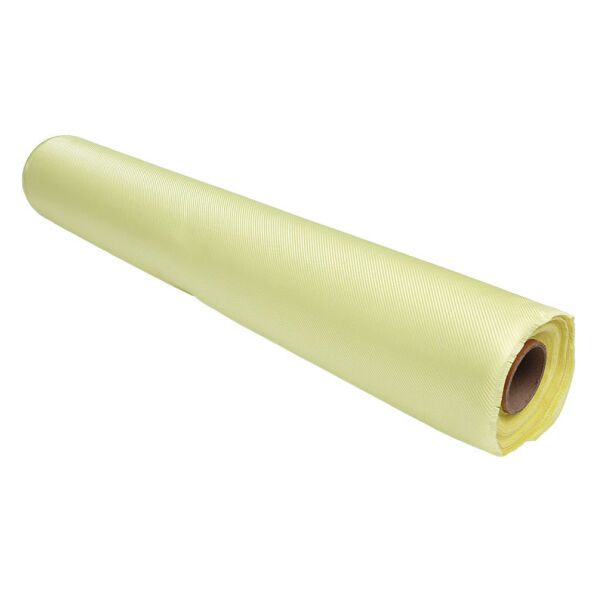
The Revolutionary Impact of Carbon Fiber Reinforcement in Modern Manufacturing
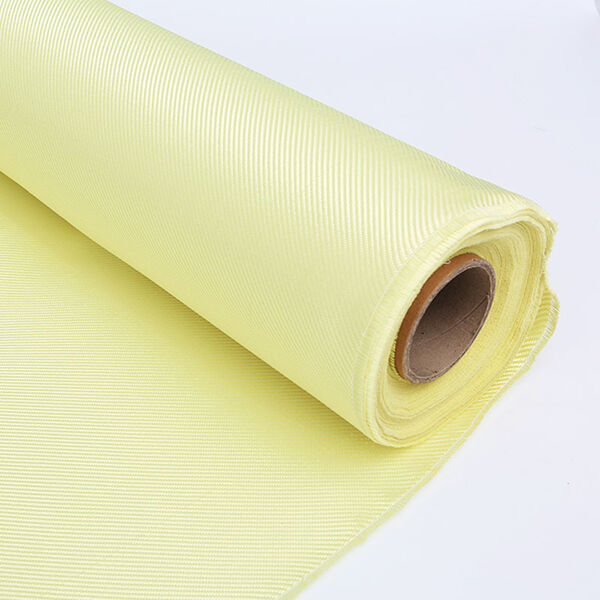
Reinforced carbon fiber cloth has emerged as a groundbreaking material that's transforming industrial applications across multiple sectors. This advanced composite material combines exceptional strength with remarkably low weight, making it an invaluable resource for manufacturers and engineers. The integration of reinforced carbon fiber cloth into various industrial processes represents a significant leap forward in material science and engineering capabilities.
The unique properties of reinforced carbon fiber cloth, including its high tensile strength, superior stiffness, and exceptional resistance to environmental factors, have made it an increasingly popular choice in advanced manufacturing. As industries continue to seek lighter, stronger, and more durable materials, this innovative fabric has proven itself indispensable in meeting these demanding requirements.
Aerospace and Aviation Applications
Structural Components and Aircraft Design
In the aerospace industry, reinforced carbon fiber cloth plays a crucial role in manufacturing critical structural components. Aircraft manufacturers utilize this material extensively in producing fuselage sections, wing components, and tail assemblies. The material's high strength-to-weight ratio allows for significant weight reduction while maintaining structural integrity, ultimately leading to improved fuel efficiency and performance.
Modern commercial aircraft incorporate reinforced carbon fiber cloth in various applications, from interior panels to external surfaces. The material's durability and resistance to fatigue make it ideal for components that undergo constant stress during flight operations. Additionally, its excellent thermal stability ensures reliable performance across extreme temperature variations encountered at different altitudes.
Space Exploration Technology
Space agencies and private aerospace companies rely heavily on reinforced carbon fiber cloth for spacecraft construction and satellite components. The material's exceptional performance in vacuum conditions and its ability to withstand intense thermal cycling make it perfect for space applications. Spacecraft heat shields, payload fairings, and structural supports frequently incorporate this advanced material to ensure mission success.
The development of reusable launch vehicles has further increased demand for reinforced carbon fiber cloth, as these systems require materials that can withstand repeated launches and re-entries while maintaining structural integrity.
Automotive Industry Integration
Performance Vehicle Manufacturing
High-performance automobile manufacturers have embraced reinforced carbon fiber cloth as a primary material for creating lightweight, high-strength components. From chassis elements to body panels, this versatile material enables designers to achieve optimal performance while reducing overall vehicle weight. The racing industry, in particular, has seen tremendous benefits from incorporating reinforced carbon fiber cloth in vehicle construction.
The material's ability to absorb energy during impacts while maintaining structural integrity has revolutionized automotive safety systems. Modern supercars feature extensive use of reinforced carbon fiber cloth in their monocoque structures, providing superior protection while enhancing performance characteristics.
Electric Vehicle Innovation
The electric vehicle sector has found reinforced carbon fiber cloth particularly valuable in addressing range anxiety concerns. By utilizing this lightweight material in body construction and structural components, manufacturers can offset battery weight and extend vehicle range. The material's excellent thermal management properties also contribute to better battery performance and longevity.
As the automotive industry continues its transition toward electrification, reinforced carbon fiber cloth plays an increasingly important role in developing more efficient and environmentally friendly vehicles. Its use in battery enclosures and protective structures demonstrates the material's versatility in meeting evolving industry needs.
Construction and Infrastructure Development
Structural Reinforcement Solutions
The construction industry has adopted reinforced carbon fiber cloth for strengthening existing structures and developing new building techniques. Civil engineers utilize this material for retrofitting aging infrastructure, including bridges, buildings, and tunnels. The material's high tensile strength and ease of application make it an excellent choice for structural rehabilitation projects.
Modern construction projects increasingly incorporate reinforced carbon fiber cloth during initial construction phases, particularly in areas requiring superior seismic resistance or enhanced load-bearing capacity. The material's corrosion resistance and minimal maintenance requirements make it especially attractive for infrastructure applications in challenging environments.
Architectural Applications
Architects and designers have discovered innovative ways to utilize reinforced carbon fiber cloth in creating stunning yet functional structures. The material's flexibility in forming complex shapes while maintaining structural integrity has opened new possibilities in architectural design. From lightweight roof systems to decorative elements, reinforced carbon fiber cloth enables creative solutions that were previously impossible with traditional materials.
The material's durability and weather resistance make it particularly suitable for exterior applications, where it can maintain its appearance and structural properties for extended periods with minimal maintenance requirements.
Marine and Naval Applications
Vessel Construction and Components
The marine industry has embraced reinforced carbon fiber cloth for its exceptional resistance to saltwater corrosion and ability to reduce vessel weight. Shipbuilders use this material in hull construction, deck components, and internal structural elements. The resulting vessels benefit from improved fuel efficiency, higher speeds, and reduced maintenance requirements.
High-performance racing boats and luxury yachts particularly benefit from reinforced carbon fiber cloth construction, as it allows for optimal design and superior hydrodynamic properties while maintaining structural integrity in challenging marine conditions.
Underwater Equipment and Structures
Reinforced carbon fiber cloth proves invaluable in developing underwater equipment and structures. From submersible vessels to offshore platform components, the material's resistance to pressure and corrosion makes it ideal for deep-sea applications. Its high strength-to-weight ratio enables the creation of more efficient and capable underwater systems.
The material's durability in harsh marine environments has led to its increased use in underwater sensor housings, cable protection systems, and other critical subsea infrastructure components.
Frequently Asked Questions
What makes reinforced carbon fiber cloth superior to traditional materials?
Reinforced carbon fiber cloth offers an exceptional combination of high strength, low weight, and excellent durability. Compared to traditional materials like steel or aluminum, it provides superior strength-to-weight ratios, better corrosion resistance, and enhanced fatigue properties, making it ideal for demanding industrial applications.
How long does reinforced carbon fiber cloth typically last?
When properly manufactured and maintained, reinforced carbon fiber cloth can maintain its structural properties for decades. Its resistance to environmental factors, corrosion, and fatigue means it often outlasts traditional materials in many applications, though specific lifespan depends on usage conditions and environmental exposure.
Is reinforced carbon fiber cloth environmentally sustainable?
While the production of reinforced carbon fiber cloth requires significant energy input, its long lifespan, minimal maintenance requirements, and contribution to energy efficiency in various applications often result in a positive environmental impact over its lifecycle. Additionally, research continues into recycling methods and more sustainable production processes.