
 EN
EN
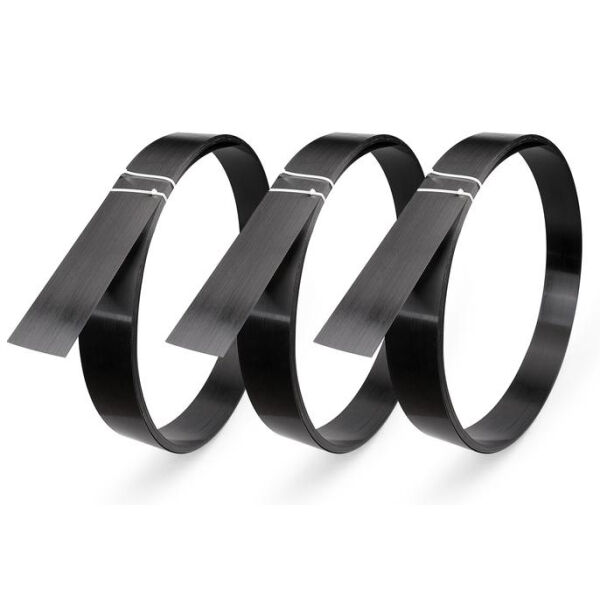
Carbon fiber plates have revolutionized modern manufacturing and engineering applications across numerous industries. Understanding carbon fiber plate thickness specifications is crucial for engineers, designers, and manufacturers who need to select the optimal material properties for their specific applications. The thickness of carbon fiber plates directly impacts their mechanical properties, weight characteristics, and overall performance in demanding environments.
Modern carbon fiber manufacturing techniques allow for precise control over plate dimensions, enabling producers to create materials with exceptional strength-to-weight ratios. The selection of appropriate thickness depends on multiple factors including load requirements, environmental conditions, and manufacturing constraints. Professional engineers must carefully evaluate these parameters to ensure optimal performance and cost-effectiveness in their projects.
Understanding Carbon Fiber Plate Construction Methods
Layup Techniques and Thickness Control
Carbon fiber plate manufacturing utilizes advanced layup techniques that directly influence the final thickness specifications. The prepreg layup method involves stacking multiple layers of carbon fiber fabric impregnated with resin systems. Each individual layer contributes approximately 0.2 to 0.3 millimeters to the overall thickness, allowing manufacturers to achieve precise dimensional control through careful layer management.
Automated fiber placement systems enable consistent thickness distribution across large plate surfaces. These sophisticated machines can precisely control fiber orientation, tension, and resin content throughout the manufacturing process. The result is carbon fiber plates with uniform thickness characteristics and predictable mechanical properties essential for high-performance applications.
Resin System Impact on Final Dimensions
The choice of resin system significantly affects the final carbon fiber plate thickness and overall material properties. Epoxy resin systems typically produce plates with excellent dimensional stability and minimal thickness variation during the curing process. The resin content, measured as a percentage of total volume, influences both the mechanical characteristics and the achievable thickness ranges.
Thermoplastic matrix systems offer different thickness control advantages, particularly in applications requiring enhanced impact resistance. These materials allow for post-manufacturing thickness adjustments through controlled heating and compression processes. Understanding resin behavior is essential for achieving target thickness specifications while maintaining structural integrity.
Standard Thickness Specifications and Applications
Common Industrial Thickness Ranges
Industrial carbon fiber plates are manufactured in standardized thickness ranges to meet diverse application requirements. Ultra-thin plates ranging from 0.5 to 2.0 millimeters serve applications requiring minimal weight addition while providing significant stiffness enhancement. These thin profiles find extensive use in aerospace components, electronic housings, and precision instruments where every gram matters.
Medium thickness plates, typically ranging from 2.0 to 6.0 millimeters, represent the most commonly specified carbon fiber plate thickness options in structural applications. This range provides an optimal balance between mechanical performance and material cost, making it suitable for automotive components, sporting goods, and architectural elements requiring both strength and aesthetic appeal.
Heavy-Duty Thickness Applications
Thick carbon fiber plates exceeding 6.0 millimeters serve specialized applications demanding maximum structural performance. Marine applications, including yacht hulls and offshore platform components, frequently utilize plates ranging from 8.0 to 15.0 millimeters in thickness. These substantial plates provide exceptional stiffness and impact resistance in challenging marine environments.
Industrial machinery components often require carbon fiber plate thickness specifications exceeding 10.0 millimeters to withstand extreme operational loads. Press platens, machine bases, and tooling fixtures benefit from the dimensional stability and vibration damping characteristics of thick carbon fiber constructions. The manufacturing of such plates requires specialized equipment and extended curing cycles.
Mechanical Properties Versus Thickness Relationships
Flexural Strength Characteristics
The relationship between carbon fiber plate thickness and flexural strength follows predictable engineering principles. Thicker plates exhibit significantly higher flexural strength due to increased material volume and enhanced resistance to bending moments. This relationship is particularly important in applications where plates must span unsupported distances while carrying distributed loads.
Flexural modulus remains relatively constant across different thickness ranges, indicating that the material stiffness per unit thickness maintains consistency. This characteristic allows engineers to scale carbon fiber plate thickness based on load requirements while predicting performance accurately. Quality manufacturing processes ensure that mechanical properties remain uniform throughout the plate thickness.
Impact Resistance and Energy Absorption
Thicker carbon fiber plates demonstrate superior impact resistance and energy absorption capabilities compared to thinner alternatives. The additional material volume provides more fiber layers to distribute impact energy, reducing the likelihood of catastrophic failure. This enhanced toughness makes thicker plates suitable for protective applications and high-energy impact scenarios.
Interlaminar shear strength becomes increasingly important in thick plate applications. Multiple fiber layers must maintain strong bonds to prevent delamination under complex loading conditions. Advanced manufacturing techniques, including controlled heating cycles and pressure application, ensure optimal interlaminar properties throughout the plate thickness.
Selection Criteria for Optimal Thickness
Load Analysis and Safety Factors
Proper carbon fiber plate thickness selection begins with comprehensive load analysis considering all anticipated service conditions. Engineers must evaluate static loads, dynamic forces, thermal stresses, and environmental factors that could affect material performance. Safety factors typically range from 2.0 to 4.0, depending on application criticality and consequence of failure.
Finite element analysis provides valuable insights into stress distribution and required thickness specifications. These computational tools enable engineers to optimize plate thickness while minimizing material usage and associated costs. Proper modeling includes consideration of support conditions, load application points, and potential failure modes specific to carbon fiber materials.
Manufacturing Constraints and Cost Considerations
Manufacturing capabilities significantly influence achievable carbon fiber plate thickness ranges and associated quality levels. Autoclave processing typically produces the highest quality plates but may limit maximum thickness due to equipment constraints. Out-of-autoclave manufacturing methods can accommodate thicker plates while maintaining acceptable quality standards for many applications.
Cost optimization requires balancing material expenses against performance requirements and manufacturing complexity. Thicker plates generally cost more per unit area due to increased material content and extended processing times. However, the enhanced performance characteristics may justify higher costs in applications where weight savings or superior mechanical properties provide significant value.
Quality Control and Testing Methods
Dimensional Measurement Techniques
Accurate measurement of carbon fiber plate thickness requires specialized equipment and standardized procedures. Contact measurement methods using precision micrometers provide reliable thickness readings at multiple locations across the plate surface. Non-contact optical measurement systems enable comprehensive thickness mapping without risking surface damage to finished plates.
Statistical process control methods ensure consistent thickness specifications throughout production runs. Regular measurement intervals and documented procedures maintain quality standards while identifying potential manufacturing variations before they affect product performance. Proper documentation supports traceability requirements in aerospace and automotive applications.
Performance Validation Testing
Mechanical testing validates that carbon fiber plates meet specified performance criteria across different thickness ranges. Standard test methods include flexural testing, tensile evaluation, and impact assessment to characterize material behavior. These tests must account for thickness-dependent effects and scaling relationships in material properties.
Non-destructive testing methods, including ultrasonic inspection and computed tomography, verify internal structure quality without compromising plate integrity. These advanced techniques can detect voids, delaminations, or other defects that might affect performance. Regular testing protocols ensure consistent quality across all manufactured thickness specifications.
Future Developments in Thickness Technology
Advanced Manufacturing Innovations
Emerging manufacturing technologies promise enhanced control over carbon fiber plate thickness specifications and improved material properties. Additive manufacturing techniques enable gradient thickness designs that optimize material distribution based on local stress requirements. These innovations could revolutionize how engineers approach thickness selection in complex applications.
Automated manufacturing systems incorporating real-time thickness monitoring provide unprecedented quality control capabilities. Machine learning algorithms can adjust processing parameters to maintain target specifications while compensating for material variations. These technological advances will enable more consistent carbon fiber plate thickness control across diverse production scenarios.
Material Science Advances
New fiber architectures and resin systems are expanding the achievable range of carbon fiber plate thickness options while improving mechanical performance. Three-dimensional fiber weaving creates thick plates with enhanced through-thickness properties and reduced manufacturing time. These innovations address traditional limitations in thick plate production while maintaining high-quality standards.
Hybrid material systems combining carbon fibers with other reinforcement types enable tailored thickness solutions for specific applications. These engineered materials can provide enhanced impact resistance, improved electrical conductivity, or specialized thermal properties while maintaining the fundamental advantages of carbon fiber construction. Future developments will continue expanding the versatility of thickness-optimized carbon fiber plates.
FAQ
What factors determine the optimal carbon fiber plate thickness for my application
The optimal carbon fiber plate thickness depends on several critical factors including load requirements, support conditions, environmental exposure, and safety considerations. Engineers must analyze maximum anticipated loads, both static and dynamic, along with the span length and support configuration. Environmental factors such as temperature variations, humidity, and chemical exposure also influence thickness selection. Additionally, manufacturing constraints, cost considerations, and weight limitations play important roles in determining the most suitable thickness specification for each unique application.
How does carbon fiber plate thickness affect manufacturing lead times and costs
Thicker carbon fiber plates generally require longer manufacturing lead times due to extended curing cycles and increased material layup time. The cost typically increases with thickness due to higher material consumption and more complex processing requirements. However, the relationship is not always linear, as some manufacturing methods become more efficient at certain thickness ranges. Autoclave processing may have thickness limitations, while other methods like compression molding can accommodate thicker plates more cost-effectively. Planning ahead and understanding these relationships helps optimize both timeline and budget considerations.
Can carbon fiber plate thickness be customized beyond standard specifications
Yes, carbon fiber plate thickness can be customized to meet specific application requirements beyond standard catalog offerings. Most manufacturers can produce plates ranging from ultra-thin 0.5mm specifications up to 25mm or greater for specialized applications. Custom thickness production typically requires minimum order quantities and may involve longer lead times for tooling setup and process optimization. The feasibility of custom thickness depends on the manufacturing method, with some processes offering more flexibility than others in achieving precise dimensional specifications.
What quality control measures ensure consistent carbon fiber plate thickness
Quality control for carbon fiber plate thickness involves multiple measurement and monitoring techniques throughout the manufacturing process. Precision measurement tools including micrometers and optical scanning systems verify thickness at multiple points across each plate. Statistical process control methods track thickness variations over time, enabling early detection of manufacturing drift. Advanced manufacturers employ real-time monitoring systems during production to maintain tight dimensional tolerances. Additionally, regular calibration of measurement equipment and documented procedures ensure consistent quality standards across all production batches.
Table of Contents
- Understanding Carbon Fiber Plate Construction Methods
- Standard Thickness Specifications and Applications
- Mechanical Properties Versus Thickness Relationships
- Selection Criteria for Optimal Thickness
- Quality Control and Testing Methods
- Future Developments in Thickness Technology
-
FAQ
- What factors determine the optimal carbon fiber plate thickness for my application
- How does carbon fiber plate thickness affect manufacturing lead times and costs
- Can carbon fiber plate thickness be customized beyond standard specifications
- What quality control measures ensure consistent carbon fiber plate thickness