 EN
EN
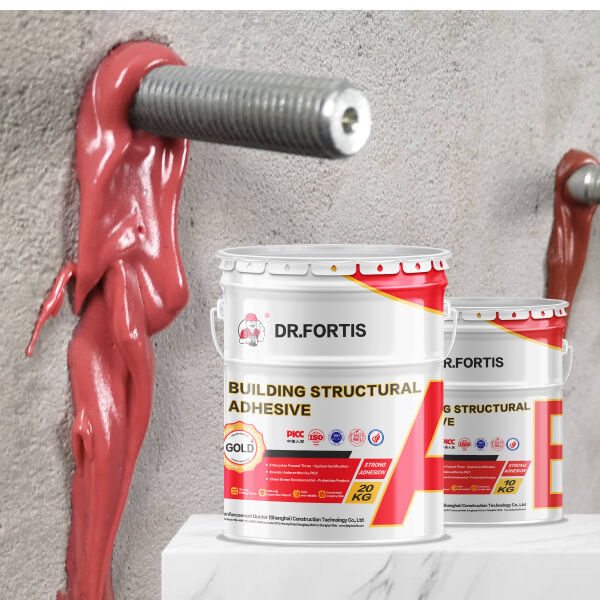
Planting glue has revolutionized the way contractors and engineers approach structural reinforcement projects. This specialized adhesive technology offers unparalleled bonding strength for connecting reinforcement materials to concrete surfaces, making it an essential tool in modern construction and renovation work. Whether you're working on seismic retrofitting, structural upgrades, or repair projects, understanding the fundamentals of planting glue can significantly impact your project's success and longevity.
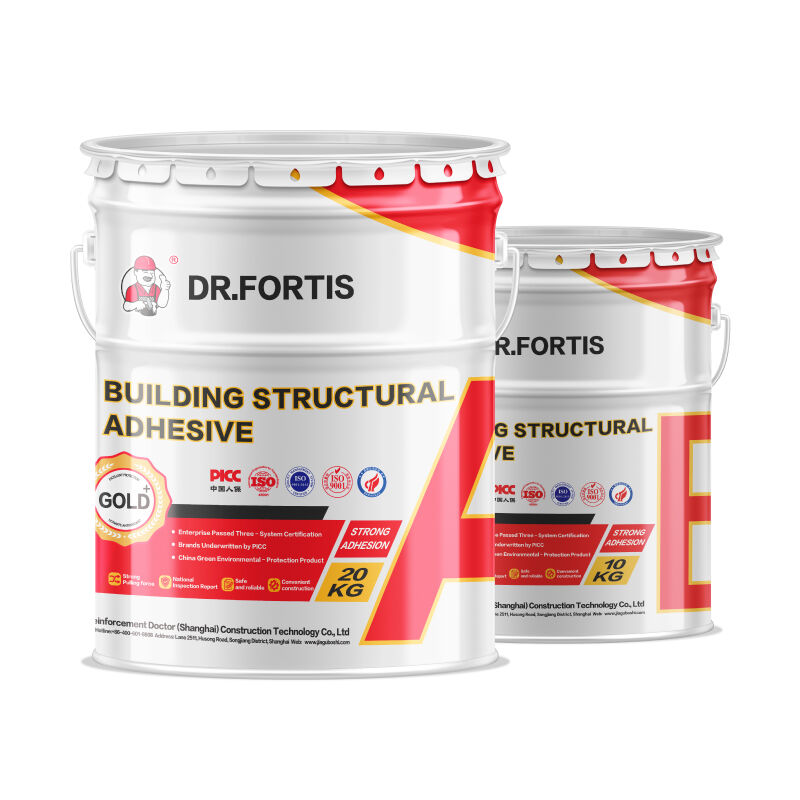
The construction industry has witnessed tremendous advancements in adhesive technologies over the past decades. Planting glue represents one of the most significant breakthroughs in structural bonding applications, providing engineers with reliable solutions for challenging reinforcement scenarios. This comprehensive guide will explore every aspect of planting glue, from its basic properties to advanced application techniques, ensuring you have the knowledge needed to implement this technology effectively in your projects.
Understanding Planting Glue Fundamentals
Chemical Composition and Properties
Planting glue typically consists of high-performance epoxy or polyurethane-based formulations designed to create exceptionally strong bonds between reinforcement materials and concrete substrates. These advanced adhesives contain carefully selected resins, hardeners, and performance-enhancing additives that work together to deliver superior mechanical properties. The chemical structure of quality planting glue ensures excellent adhesion to both smooth and textured surfaces while maintaining flexibility under structural loads.
The viscosity of planting glue is engineered to provide optimal flow characteristics during application while preventing excessive runoff or settling. Most professional-grade formulations feature thixotropic properties, meaning they become less viscous when agitated during mixing and application, then return to a higher viscosity state when at rest. This behavior ensures proper void filling and prevents the adhesive from draining out of vertical or overhead applications.
Performance Characteristics
Modern planting glue formulations deliver impressive tensile and shear strength values that often exceed the structural capacity of the concrete substrate itself. These adhesives typically achieve full cure strength within 24 to 72 hours, depending on ambient temperature and humidity conditions. The bond strength continues to develop over time, with many products reaching their maximum performance after seven days of curing.
Temperature resistance represents another critical performance factor for planting glue applications. Quality products maintain their structural integrity across a wide temperature range, typically from negative 40 degrees Celsius to positive 80 degrees Celsius. This thermal stability ensures reliable performance in diverse climate conditions and applications exposed to temperature cycling.
Application Methods and Techniques
Surface Preparation Requirements
Proper surface preparation forms the foundation of successful planting glue applications. The concrete substrate must be clean, sound, and free from dust, oil, loose particles, and other contaminants that could compromise bond strength. Surface preparation typically involves mechanical cleaning methods such as wire brushing, grinding, or sandblasting to achieve the recommended surface profile.
Moisture content represents a critical factor in surface preparation protocols. Most planting glue formulations require dry substrate conditions, with moisture content below four percent for optimal bonding performance. Surface moisture testing should be conducted before adhesive application, especially in humid environments or when working with recently cast concrete.
Mixing and Application Procedures
Accurate mixing ratios are essential for achieving the specified performance characteristics of planting glue. Most products require precise measurement of resin and hardener components, typically in ratios ranging from 2:1 to 10:1 by volume or weight. Mechanical mixing using appropriate equipment ensures homogeneous distribution of components and prevents performance variations.
Application techniques vary depending on the specific project requirements and access conditions. Common methods include injection using specialized pumps or cartridge systems, trowel application for larger areas, and brush application for smaller repairs. The chosen application method must ensure complete coverage and proper thickness while avoiding air entrapment that could compromise bond integrity.
Design Considerations and Load Calculations
Structural Analysis Requirements
Successful planting glue applications require thorough structural analysis to determine appropriate bonding areas and safety factors. Engineers must consider the magnitude and direction of applied loads, including tension, shear, and combined loading scenarios. The analysis should account for both static and dynamic loading conditions, particularly in seismic regions where cyclic loading may influence long-term performance.
Bond length calculations play a crucial role in ensuring adequate load transfer between reinforcement elements and the existing structure. The required development length depends on the reinforcement diameter, concrete strength, and applied stress levels. Conservative design approaches typically incorporate safety factors ranging from 2.0 to 4.0, depending on the criticality of the application and governing building codes.
Environmental Factors
Environmental conditions significantly impact both the application process and long-term performance of planting glue installations. Temperature extremes during application can affect curing rates and ultimate strength development, requiring adjustments to mixing procedures and cure times. High humidity levels may interfere with adhesive curing, while low temperatures can extend working time but delay strength gain.
Exposure conditions over the service life of the installation must also be considered during product selection and design. UV radiation, chemical exposure, freeze-thaw cycles, and sustained moisture exposure can all influence long-term durability. Protective measures such as coatings or covers may be necessary in harsh environmental conditions to maintain optimal performance throughout the intended service life.
Quality Control and Testing Protocols
Pre-Installation Testing
Comprehensive quality control programs begin with pre-installation testing to verify material properties and application procedures. Pull-out testing on representative samples provides valuable data on bond strength and helps validate design assumptions. These tests should simulate actual installation conditions, including substrate preparation, mixing procedures, and curing environments.
Material qualification testing ensures that the selected planting glue formulation meets project specifications and performance requirements. Standard test methods such as ASTM D4541 for adhesion strength and ASTM D638 for tensile properties provide standardized evaluation criteria. Documentation of test results establishes a baseline for ongoing quality assurance throughout the project.
Installation Monitoring
Real-time monitoring during planting glue installation helps identify potential issues before they compromise project quality. Temperature and humidity logging ensures that environmental conditions remain within acceptable ranges throughout the application and curing process. Visual inspection protocols document proper mixing, application thickness, and coverage to verify compliance with specifications.
Post-installation verification testing provides confidence in the completed work and identifies any deficiencies requiring corrective action. Non-destructive testing methods such as ultrasonic evaluation or hammer testing can assess bond integrity without damaging the installation. Destructive testing on sacrificial samples offers direct measurement of achieved bond strength for critical applications.
Troubleshooting Common Issues
Bond Failure Analysis
Understanding the root causes of bond failures helps prevent similar issues in future applications. Adhesive failure typically indicates problems with surface preparation, contamination, or improper mixing ratios. Cohesive failure within the planting glue layer suggests material degradation due to environmental exposure or exceeding design loads.
Substrate failure represents the ideal failure mode, indicating that the adhesive bond exceeded the tensile strength of the concrete. However, unexpected substrate failure may signal underlying concrete quality issues or inadequate design calculations. Thorough investigation of failure modes provides valuable feedback for improving installation procedures and design methodologies.
Performance Optimization
Optimizing planting glue performance requires attention to numerous factors throughout the project lifecycle. Proper storage and handling of materials prevents premature degradation and ensures consistent properties. Temperature control during application and curing maximizes strength development and minimizes the risk of thermal cracking.
Regular maintenance inspections help identify potential issues before they become critical problems. Visual assessment of exposed installations can reveal signs of degradation, cracking, or environmental damage. Prompt corrective action helps maintain structural integrity and extends the service life of planting glue applications.
Safety and Environmental Considerations
Worker Protection Protocols
Working with planting glue requires appropriate personal protective equipment and safety procedures to minimize health risks. Epoxy and polyurethane-based adhesives can cause skin sensitization and respiratory irritation, making proper ventilation and protective equipment essential. Workers should wear chemical-resistant gloves, safety glasses, and respiratory protection when handling uncured materials.
Emergency response procedures should be established before beginning work with planting glue products. Material safety data sheets provide essential information on first aid measures, spill cleanup procedures, and proper disposal methods. Training programs ensure that all personnel understand the hazards associated with these materials and know how to respond appropriately to emergency situations.
Environmental Impact Management
Responsible use of planting glue includes consideration of environmental impact throughout the product lifecycle. Waste minimization strategies help reduce the quantity of unused materials requiring disposal. Proper cleanup procedures prevent contamination of soil and water resources during application and maintenance activities.
Sustainable product selection criteria may include recycled content, low volatile organic compound emissions, and biodegradability factors. While structural performance remains the primary selection criterion, environmental considerations are becoming increasingly important in green building programs and sustainable construction practices.
FAQ
What is the typical working time for planting glue after mixing
Working time for planting glue varies significantly depending on the specific formulation, ambient temperature, and humidity conditions. Most professional-grade products provide working times ranging from 30 minutes to 2 hours after mixing. Higher temperatures accelerate the curing reaction and reduce working time, while cooler conditions extend the available application window. It's essential to check the manufacturer's technical data sheet for specific working time information and plan applications accordingly.
Can planting glue be used in underwater applications
Specialized underwater planting glue formulations are available for submerged applications, but standard products are not suitable for underwater use. Underwater adhesives require unique chemistry that can displace water and cure in moisture-saturated environments. These specialized products typically cost more and may have different handling requirements compared to conventional planting glue. Always specify underwater-rated adhesives when working below the waterline.
How does temperature affect planting glue performance during application
Temperature significantly influences both the application characteristics and curing behavior of planting glue. Low temperatures slow the curing reaction, extending working time but delaying strength development. High temperatures accelerate curing, reducing working time and potentially causing rapid strength gain that could lead to thermal stress. Most manufacturers recommend application temperatures between 10 and 30 degrees Celsius for optimal performance and provide temperature correction factors for other conditions.
What is the expected service life of properly installed planting glue
Well-designed and properly installed planting glue applications can provide service lives exceeding 50 years under normal environmental conditions. The actual service life depends on factors such as load magnitude, environmental exposure, quality of installation, and maintenance practices. Harsh environments such as marine exposure, freeze-thaw cycling, or chemical contact may reduce service life. Regular inspections and preventive maintenance help maximize the longevity of planting glue installations.