EN
EN
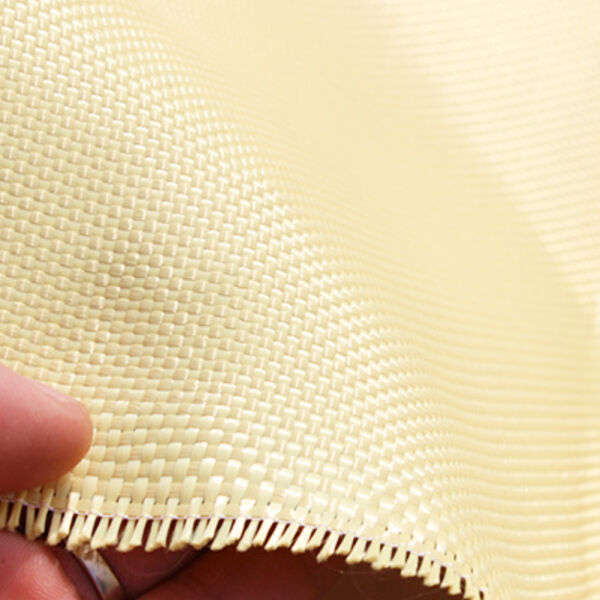
Carbon fiber cloth has revolutionized the construction and repair engineering industry through its exceptional strength-to-weight ratio and versatility in structural applications. This advanced composite material transforms how engineers approach building reinforcement, infrastructure repair, and seismic upgrades across residential, commercial, and industrial projects. Understanding the application methods of carbon fiber cloth enables construction professionals to harness its full potential for creating more durable and resilient structures.
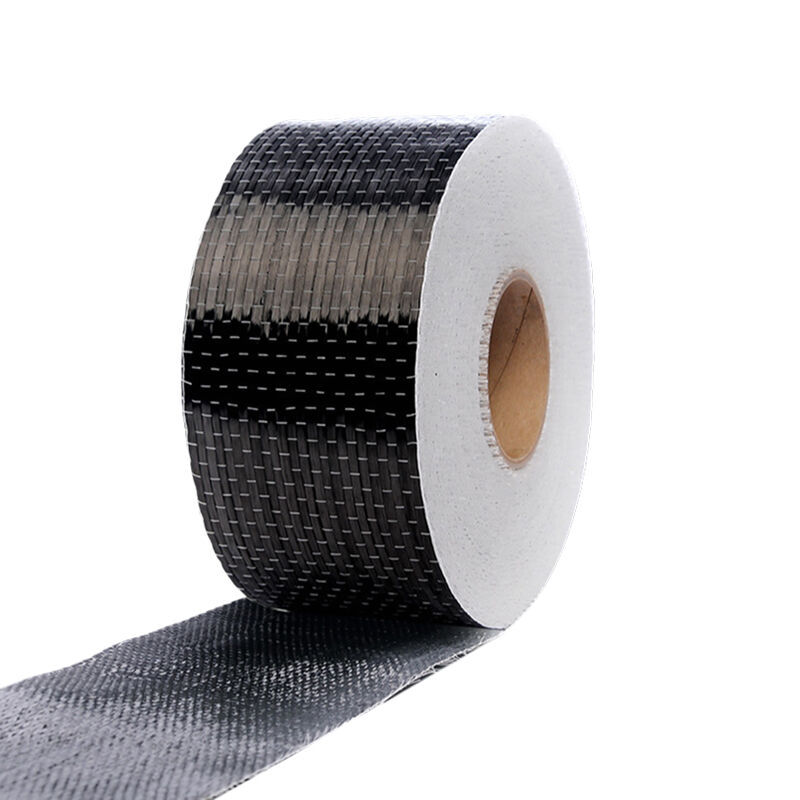
The application process of carbon fiber cloth in construction involves sophisticated engineering principles and precise installation techniques that determine the success of reinforcement projects. From surface preparation to final curing, each step requires careful attention to environmental conditions, material compatibility, and structural requirements. Modern construction practices increasingly rely on carbon fiber cloth applications to extend building lifespan, enhance load-bearing capacity, and meet updated safety standards without the weight penalties associated with traditional reinforcement methods.
Surface Preparation and Assessment for Carbon Fiber Cloth Installation
Structural Evaluation and Load Analysis
Before applying carbon fiber cloth, engineers conduct comprehensive structural assessments to determine the existing condition of concrete, steel, or masonry surfaces. This evaluation identifies areas of deterioration, stress concentration points, and load distribution patterns that influence the carbon fiber cloth application strategy. Professional assessment tools including ground-penetrating radar, ultrasonic testing, and core sampling provide critical data about substrate integrity and reinforcement requirements.
Load calculations determine the appropriate carbon fiber cloth specification, including fabric weight, weave pattern, and required overlap zones. Engineers analyze both static and dynamic loading conditions to ensure the carbon fiber cloth system can handle expected stress levels throughout the structure's service life. This analysis phase also identifies potential expansion joint locations, thermal movement considerations, and compatibility with existing structural elements.
Surface Cleaning and Preparation Protocols
Proper surface preparation forms the foundation of successful carbon fiber cloth applications in construction projects. The substrate must be thoroughly cleaned using mechanical methods such as sandblasting, grinding, or pressure washing to remove loose material, oil stains, paint residues, and surface contaminants. Clean surfaces ensure optimal bonding between the carbon fiber cloth and the existing structure, preventing premature failure or delamination issues.
Surface profiling creates the ideal texture for epoxy adhesion while maintaining structural integrity. Construction teams use diamond grinding equipment to achieve uniform surface roughness typically ranging from CSP-3 to CSP-5 according to ICRI standards. The prepared surface must be completely dry with moisture content below specified limits before carbon fiber cloth application can proceed.
Application Methods and Installation Techniques
Wet Layup Application Process
The wet layup method represents the most common technique for applying carbon fiber cloth in construction and repair applications. This process involves saturating the carbon fiber cloth with epoxy resin during installation, creating a strong composite system that bonds permanently to the substrate. Installation teams apply a primer coat to sealed surfaces, followed by the base epoxy layer that receives the carbon fiber cloth while the resin remains workable.
During wet layup installation, workers carefully position the carbon fiber cloth to ensure proper fiber orientation aligned with principal stress directions. Rolling techniques remove air bubbles and excess resin while maintaining consistent thickness throughout the application area. Multiple layers of carbon fiber cloth can be applied in sequence, with each layer receiving proper resin saturation before the next application.
Pre-impregnated Carbon Fiber Systems
Pre-impregnated carbon fiber cloth systems offer enhanced quality control and reduced installation time for construction projects requiring precise material properties. These systems arrive on-site with resin already incorporated into the carbon fiber cloth matrix, eliminating mixing variables and ensuring consistent resin-to-fiber ratios. Installation involves activating the pre-impregnated system through heat application or chemical catalysts depending on the specific product formulation.
Temperature-controlled application environments become critical when working with pre-impregnated carbon fiber cloth systems. Installation teams monitor ambient conditions and substrate temperatures to ensure proper curing characteristics and optimal bond strength development. This method particularly benefits projects requiring rapid installation schedules or applications in challenging environmental conditions where wet layup techniques might prove problematic.
Structural Reinforcement Applications
Flexural Strengthening of Beams and Slabs
Carbon fiber cloth applications for flexural strengthening involve bonding the material to the tension face of concrete beams, slabs, and other structural elements experiencing bending stresses. The carbon fiber cloth effectively increases the tensile capacity of concrete structures while maintaining minimal additional weight and thickness. Installation patterns follow engineering calculations that specify fabric width, length, and termination details to achieve required strength increases.
Proper anchor systems ensure effective stress transfer between the carbon fiber cloth and existing concrete reinforcement. Development lengths, overlap zones, and edge distances receive careful attention during installation to prevent premature failure modes such as debonding or concrete cover separation. Multiple layers of carbon fiber cloth can be applied to achieve higher strength increases, with each layer contributing proportionally to the overall flexural capacity enhancement.
Shear Strengthening and Column Confinement
Shear strengthening applications utilize carbon fiber cloth configured in specific orientations to resist diagonal tension stresses in beams, walls, and other structural elements. The carbon fiber cloth is typically applied in U-shaped or fully wrapped configurations depending on structural accessibility and load requirements. Installation procedures ensure continuous load paths and proper development of the carbon fiber cloth system throughout the shear-critical regions.
Column confinement represents a specialized application where carbon fiber cloth provides lateral support to concrete columns, increasing both axial capacity and ductility. The wrapping process requires careful attention to fiber direction, overlap zones, and termination details to achieve uniform confinement pressure. This application proves particularly valuable for seismic retrofit projects where enhanced column performance directly impacts overall structural safety and code compliance.
Repair and Rehabilitation Projects
Crack Repair and Stabilization
Carbon fiber cloth applications for crack repair focus on preventing crack propagation while restoring structural continuity across damaged areas. The installation process begins with crack cleaning and preparation, followed by injection of structural adhesives or sealants as appropriate for the specific crack characteristics. Carbon fiber cloth then bridges the repair area, distributing stresses over a wider zone and preventing stress concentration at crack tips.
Installation techniques for crack repair vary depending on crack width, depth, and activity level. Active cracks may require flexible installation systems that accommodate ongoing movement while still providing reinforcement. Static cracks receive rigid carbon fiber cloth applications designed to restore full structural capacity and prevent future crack development. Proper overlap distances and edge treatments ensure effective load transfer around the repair zone.
Infrastructure Rehabilitation and Upgrade
Large-scale infrastructure rehabilitation projects utilize carbon fiber cloth to extend service life and upgrade load capacity without major structural modifications. Bridge decks, parking structures, and industrial facilities benefit from carbon fiber cloth applications that address deterioration while meeting updated loading requirements. Installation planning coordinates with operational schedules to minimize disruption while ensuring proper curing and quality control.
Rehabilitation projects often involve complex geometries and access challenges that require specialized installation techniques for carbon fiber cloth application. Overhead installations, curved surfaces, and confined spaces demand modified equipment and procedures while maintaining the same quality standards as conventional applications. Environmental protection systems shield the carbon fiber cloth installation from weather, temperature fluctuations, and contamination during the critical curing period.
Quality Control and Performance Monitoring
Installation Verification and Testing
Quality control protocols for carbon fiber cloth applications include visual inspection, adhesion testing, and documentation of environmental conditions throughout the installation process. Pull-off tests verify bond strength between the carbon fiber cloth system and substrate, while visual inspection identifies potential defects such as air bubbles, dry spots, or inadequate resin coverage. Installation records track material lot numbers, mixing ratios, and curing conditions for future reference and warranty purposes.
Non-destructive testing methods evaluate carbon fiber cloth installations without compromising structural integrity. Infrared thermography detects delamination or void areas within the composite system, while ultrasonic testing measures thickness uniformity and identifies internal defects. These testing protocols establish baseline conditions for long-term performance monitoring and maintenance planning throughout the structure's service life.
Long-term Performance and Maintenance
Carbon fiber cloth systems require minimal maintenance compared to traditional reinforcement methods, but periodic inspection ensures continued performance and identifies potential issues before they affect structural capacity. Visual inspections focus on surface condition, edge details, and interface zones where environmental exposure might cause degradation. Monitoring protocols track any changes in appearance, texture, or bond integrity that could indicate the need for remedial action.
Performance monitoring systems can include embedded sensors that track strain levels, temperature cycles, and moisture exposure within carbon fiber cloth installations. This data provides valuable feedback about actual versus predicted performance while supporting decisions about inspection intervals and maintenance requirements. Long-term performance data also contributes to improved design procedures and installation techniques for future carbon fiber cloth applications.
FAQ
What surface conditions are required before applying carbon fiber cloth in construction?
The substrate must be clean, dry, and structurally sound with all loose material, contaminants, and surface defects removed through mechanical preparation. Surface profile should achieve CSP-3 to CSP-5 roughness according to ICRI standards, with moisture content below manufacturer specifications. Temperature and humidity conditions must fall within acceptable ranges for proper epoxy curing and bond development.
How long does carbon fiber cloth take to cure in construction applications?
Initial cure typically occurs within 24 to 48 hours under normal temperature conditions, allowing light foot traffic and protection removal. Full structural capacity develops over 7 to 14 days depending on ambient temperature, humidity, and specific resin system characteristics. Cold weather applications may require extended curing times or supplemental heating to achieve proper strength development.
Can carbon fiber cloth be applied to different structural materials besides concrete?
Carbon fiber cloth successfully bonds to steel, masonry, wood, and various composite substrates when proper surface preparation and compatible adhesive systems are used. Each material requires specific preparation techniques and primer selection to ensure optimal bond strength and long-term durability. Steel applications may require specialized primers to prevent corrosion and ensure proper adhesion.
What are the typical thickness and weight limitations for carbon fiber cloth installations?
Individual carbon fiber cloth layers typically range from 0.1mm to 0.5mm thickness depending on fabric weight and resin content. Multiple layers can be applied to achieve greater thickness and strength, though practical limits exist based on stress transfer capabilities and installation techniques. Weight additions remain minimal compared to traditional reinforcement methods, typically less than 1% of the original structural weight.
Table of Contents
- Surface Preparation and Assessment for Carbon Fiber Cloth Installation
- Application Methods and Installation Techniques
- Structural Reinforcement Applications
- Repair and Rehabilitation Projects
- Quality Control and Performance Monitoring
-
FAQ
- What surface conditions are required before applying carbon fiber cloth in construction?
- How long does carbon fiber cloth take to cure in construction applications?
- Can carbon fiber cloth be applied to different structural materials besides concrete?
- What are the typical thickness and weight limitations for carbon fiber cloth installations?