EN
EN
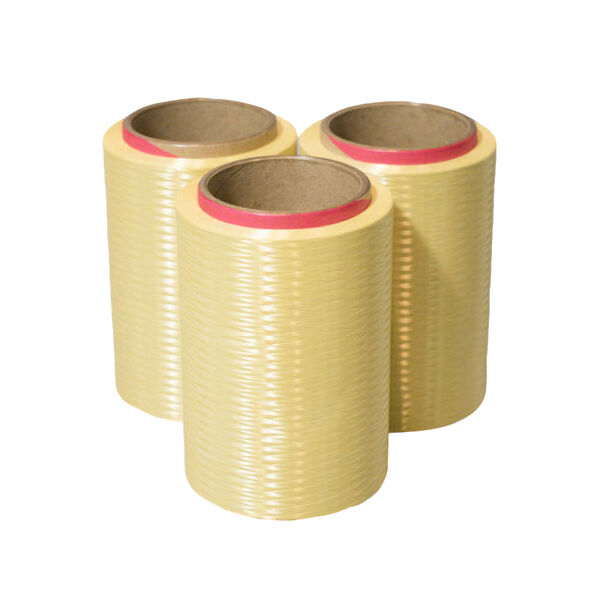
Reinforced carbon fiber cloth has revolutionized the field of structural strengthening by providing engineers with a lightweight yet incredibly strong solution for rehabilitating aging infrastructure. This advanced composite material offers exceptional tensile strength and durability, making it an ideal choice for extending the service life of concrete structures, steel beams, and masonry buildings. Understanding how reinforced carbon fiber cloth functions in structural strengthening applications is crucial for engineers, architects, and construction professionals seeking effective rehabilitation strategies.
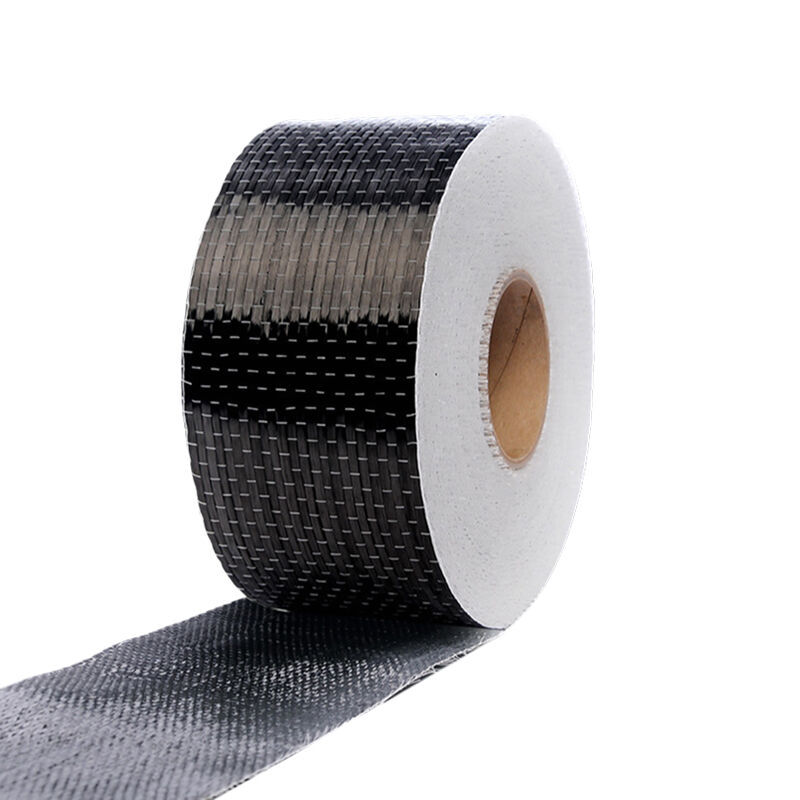
The application process involves systematically bonding the reinforced carbon fiber cloth to existing structural elements using specialized adhesives, creating a composite system that significantly enhances load-bearing capacity and structural integrity. This method has gained widespread acceptance in the construction industry due to its minimal impact on the original structure's dimensions, rapid installation timeline, and exceptional long-term performance characteristics. The versatility of reinforced carbon fiber cloth allows engineers to address various structural deficiencies while maintaining the aesthetic and functional requirements of the original design.
Installation Process and Bonding Mechanisms
Surface Preparation Requirements
The successful application of reinforced carbon fiber cloth begins with meticulous surface preparation of the existing structural element. Engineers must ensure that concrete surfaces are clean, sound, and free from any contaminants that could compromise the bond between the cloth and substrate. This process typically involves removing loose concrete, oils, and other surface impurities through mechanical cleaning methods such as sandblasting or grinding. The substrate surface must achieve the proper profile to maximize the contact area and ensure optimal adhesion of the reinforced carbon fiber cloth system.
Moisture content evaluation plays a critical role in the surface preparation phase, as excessive moisture can significantly reduce the effectiveness of the epoxy resin used to bond the reinforced carbon fiber cloth. Professional contractors utilize moisture meters and other specialized equipment to verify that substrate conditions meet manufacturer specifications before proceeding with the installation. Additionally, any cracks or surface irregularities must be addressed through appropriate repair procedures to create a uniform bonding surface for the carbon fiber system.
Adhesive Application Techniques
The bonding process for reinforced carbon fiber cloth requires the precise application of high-performance epoxy adhesives that create a strong mechanical and chemical bond between the fabric and structural substrate. These specialized adhesives are typically two-component systems that must be mixed according to exact specifications to achieve optimal curing characteristics and bond strength. The viscosity and working time of the adhesive are carefully formulated to allow proper saturation of the carbon fiber weave while providing sufficient open time for installation procedures.
Application techniques vary depending on the specific project requirements and environmental conditions, but generally involve the use of rollers, brushes, or spray equipment to ensure uniform coverage across the entire bonding area. The reinforced carbon fiber cloth must be carefully positioned and worked into the wet adhesive to eliminate air voids and ensure complete fiber saturation. Proper installation requires skilled technicians who understand the importance of maintaining consistent pressure and working systematically to achieve optimal bond quality throughout the entire strengthening system.
Load Transfer Mechanisms and Structural Behavior
Composite Action Development
When properly installed, reinforced carbon fiber cloth develops composite action with the existing structural element, effectively increasing the overall section capacity and stiffness characteristics. The high modulus of elasticity inherent in carbon fiber materials allows the cloth to carry tensile loads that would otherwise cause cracking or failure in concrete structures. This composite behavior is achieved through the transfer of forces between the original structural material and the reinforced carbon fiber cloth through the adhesive bond interface.
The effectiveness of this load transfer mechanism depends on several factors, including the bond length, fabric orientation, and the mechanical properties of both the substrate and the reinforced carbon fiber cloth. Engineers must carefully calculate the required fabric area and configuration to ensure that the strengthening system can adequately resist the applied loads while maintaining compatibility with the existing structure's deformation characteristics. The development length required for full composite action is typically much shorter than conventional steel reinforcement due to the superior bond characteristics of the fabric-adhesive system.
Stress Distribution Patterns
The application of reinforced carbon fiber cloth fundamentally alters the stress distribution within strengthened structural elements by providing additional load paths and reducing stress concentrations in critical areas. The high tensile strength of carbon fiber materials allows the cloth to carry significant loads while exhibiting linear elastic behavior up to failure, providing predictable structural performance under service loading conditions. This stress redistribution effect is particularly beneficial in flexural strengthening applications where the reinforced carbon fiber cloth is positioned in high-tension zones.
Understanding stress distribution patterns is essential for optimizing the placement and orientation of reinforced carbon fiber cloth systems. Engineers utilize advanced analytical methods and finite element modeling to predict how forces will be distributed throughout the strengthened structure under various loading scenarios. The anisotropic nature of woven carbon fiber fabrics requires careful consideration of fiber orientation relative to the principal stress directions to maximize the effectiveness of the strengthening system while avoiding potential failure modes such as delamination or fiber rupture.
Application Methods for Different Structural Elements
Beam and Slab Strengthening Procedures
Flexural strengthening of beams and slabs represents one of the most common applications for reinforced carbon fiber cloth in structural rehabilitation projects. The installation process typically involves applying the fabric to the tension face of the structural element, where it effectively increases the flexural capacity by providing additional tensile reinforcement. Engineers must carefully analyze the existing reinforcement conditions and load requirements to determine the appropriate fabric configuration, including the number of layers, width, and anchorage details necessary to achieve the desired performance enhancement.
The orientation of reinforced carbon fiber cloth fibers must align with the principal stress directions to maximize effectiveness, typically running parallel to the span direction in simple beam applications. For two-way slabs or complex loading conditions, engineers may specify multi-directional fabric orientations or multiple layers with varying fiber directions to address the specific stress patterns. Proper anchorage of the fabric ends is crucial to prevent premature failure due to debonding, often requiring the use of mechanical fasteners or extended bond lengths beyond the theoretical cutoff points.
Column Wrapping and Confinement Strategies
Column strengthening applications utilize reinforced carbon fiber cloth in a wrapping configuration that provides both axial load capacity enhancement and lateral confinement effects. This application method is particularly effective for improving the ductility and ultimate capacity of reinforced concrete columns in seismic retrofit applications. The confining action of the wrapped reinforced carbon fiber cloth increases the effective compressive strength of the concrete core while providing restraint against lateral expansion under load.
The design of column wrapping systems requires careful consideration of the overlap details, fiber orientation, and the number of wrapping layers needed to achieve the required confinement pressure. Engineers must account for the biaxial stress state that develops in the reinforced carbon fiber cloth due to the confining action, which differs significantly from the uniaxial loading conditions typical in flexural applications. The effectiveness of column wrapping is highly dependent on the quality of the installation, particularly the maintenance of proper tension during the wrapping process and the achievement of adequate overlap at fabric joints.
Performance Characteristics and Design Considerations
Long-Term Durability Factors
The long-term performance of reinforced carbon fiber cloth strengthening systems depends on several environmental and operational factors that must be carefully evaluated during the design phase. Carbon fiber materials exhibit excellent resistance to corrosion and chemical degradation, making them particularly suitable for harsh environmental conditions where traditional steel reinforcement might experience significant deterioration. However, the organic matrix materials used in the adhesive system can be susceptible to ultraviolet radiation, temperature cycling, and chemical exposure, requiring appropriate protective measures in exposed applications.
Fatigue resistance represents another critical performance characteristic of reinforced carbon fiber cloth systems, particularly in applications subjected to cyclic loading such as bridges and industrial structures. The high fatigue resistance of carbon fiber materials, combined with the absence of stress concentrations typical in mechanical fastener systems, provides excellent long-term performance under repeated loading cycles. Engineers must consider the potential for environmental degradation of the bond interface over time and may specify protective coatings or other measures to ensure the longevity of the strengthening system.
Quality Control and Installation Monitoring
Effective quality control procedures are essential for ensuring the successful implementation of reinforced carbon fiber cloth strengthening projects. These procedures typically include verification of material properties, monitoring of environmental conditions during installation, and testing of bond quality through various non-destructive and destructive methods. Pull-off tests are commonly used to verify adequate bond strength between the reinforced carbon fiber cloth and substrate, while visual inspections can identify potential issues such as air voids, delamination, or inadequate fiber saturation.
Installation monitoring should include documentation of ambient temperature and humidity conditions, mixing ratios and batch numbers for adhesive materials, and photographic records of each installation phase. The contractor must maintain detailed quality control records that demonstrate compliance with project specifications and manufacturer recommendations. Regular inspection during the curing period allows for early identification of potential problems and implementation of corrective measures before the strengthening system achieves full bond development.
FAQ
What are the main advantages of using reinforced carbon fiber cloth over traditional strengthening methods?
Reinforced carbon fiber cloth offers several significant advantages including high strength-to-weight ratio, corrosion resistance, minimal impact on structural dimensions, and rapid installation compared to traditional methods like steel plate bonding or section enlargement. The lightweight nature of carbon fiber systems reduces dead load additions while providing substantial strength enhancement, making it ideal for structures with limited load capacity margins.
How long does the installation process typically take for reinforced carbon fiber cloth strengthening?
Installation time for reinforced carbon fiber cloth systems varies depending on project size and complexity, but generally requires much less time than conventional strengthening methods. Simple beam or slab applications can often be completed within a few days, while more complex column wrapping or large-scale projects may require several weeks. The rapid curing characteristics of modern adhesive systems allow for quick return to service compared to traditional concrete rehabilitation methods.
What environmental conditions are required during reinforced carbon fiber cloth installation?
Successful installation of reinforced carbon fiber cloth requires specific environmental conditions including ambient temperatures typically between 50-90°F, relative humidity below 85%, and dry substrate conditions. Wind conditions must be controlled to prevent contamination of the adhesive system, and adequate ventilation is necessary for proper curing. Installation should be avoided during precipitation or when adverse weather conditions are anticipated during the curing period.
How is the effectiveness of reinforced carbon fiber cloth strengthening systems verified after installation?
Verification of reinforced carbon fiber cloth system effectiveness involves multiple testing and inspection methods including pull-off testing to verify bond strength, acoustic testing to identify delamination, and visual inspection for proper fiber saturation and absence of defects. Load testing may be performed on critical structures, and long-term monitoring programs can track system performance over time. Regular inspection protocols help ensure continued effectiveness throughout the service life of the strengthening system.
Table of Contents
- Installation Process and Bonding Mechanisms
- Load Transfer Mechanisms and Structural Behavior
- Application Methods for Different Structural Elements
- Performance Characteristics and Design Considerations
-
FAQ
- What are the main advantages of using reinforced carbon fiber cloth over traditional strengthening methods?
- How long does the installation process typically take for reinforced carbon fiber cloth strengthening?
- What environmental conditions are required during reinforced carbon fiber cloth installation?
- How is the effectiveness of reinforced carbon fiber cloth strengthening systems verified after installation?