 EN
EN
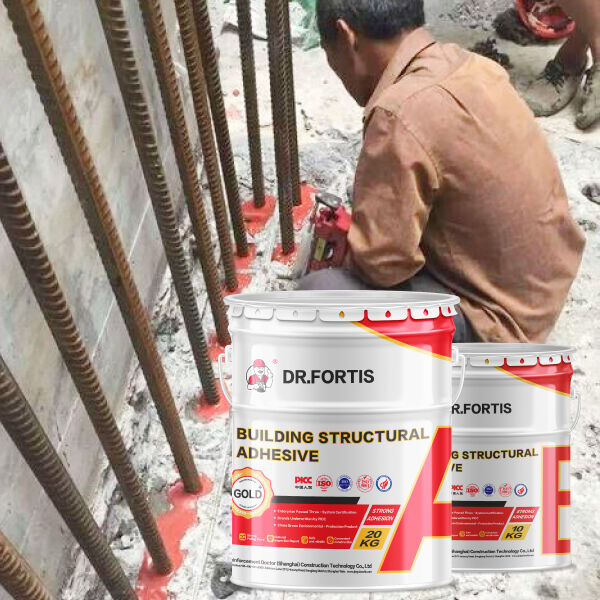
Selecting the appropriate adhesive for structural reinforcement applications is a critical decision that directly impacts the safety, durability, and performance of construction projects. Modern construction and renovation projects increasingly rely on specialized bonding agents that provide superior holding power and long-term reliability. Understanding the key characteristics and performance requirements of these structural adhesives ensures optimal project outcomes and compliance with industry standards.
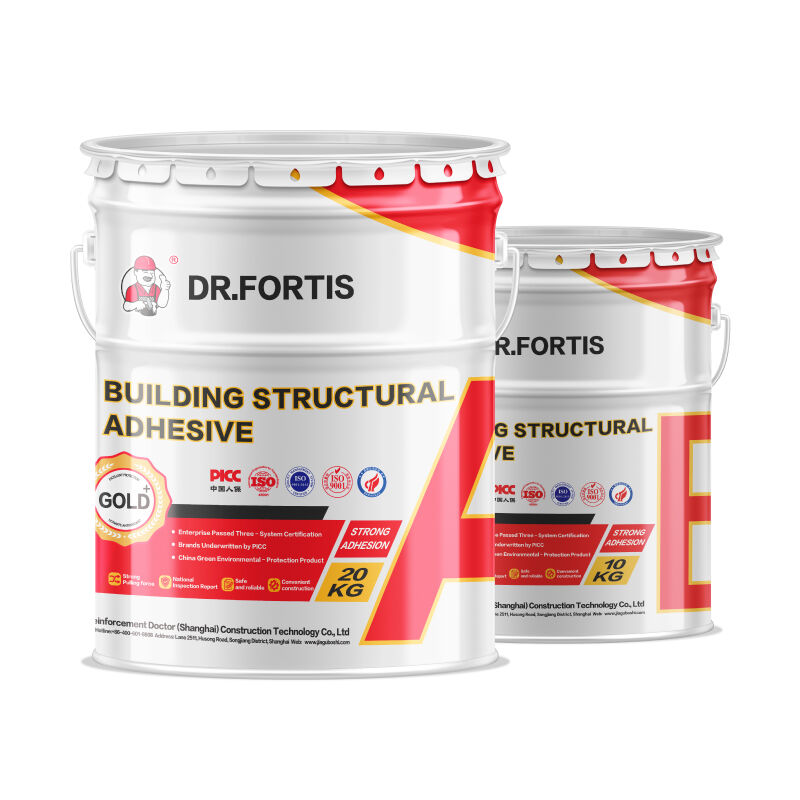
The construction industry has evolved significantly with the introduction of advanced chemical anchoring systems that offer enhanced performance compared to traditional mechanical fasteners. These specialized adhesives create strong, permanent bonds between reinforcement materials and concrete substrates, making them essential for structural upgrades, seismic retrofitting, and new construction applications. Professional contractors and engineers must carefully evaluate various factors when selecting the most suitable bonding solution for their specific project requirements.
Understanding Structural Adhesive Classifications
Epoxy-Based Systems
Epoxy formulations represent the most widely used category of structural adhesives in construction applications. These two-component systems offer exceptional bond strength, chemical resistance, and long-term durability when properly applied. Professional-grade epoxy systems typically achieve ultimate tensile strengths exceeding 3,000 psi and provide excellent performance in both cracked and uncracked concrete substrates.
The curing characteristics of epoxy systems vary significantly based on temperature, humidity, and formulation chemistry. Fast-curing variants allow for accelerated project schedules but may require careful temperature management during application. Standard epoxy formulations provide extended working times, making them ideal for large-scale installations where precise positioning is critical.
Polyester Resin Formulations
Polyester-based adhesives offer cost-effective solutions for many structural anchoring applications. These systems typically cure faster than epoxy alternatives and provide adequate performance for moderate load requirements. However, polyester formulations generally exhibit lower ultimate strength values and reduced chemical resistance compared to premium epoxy systems.
Temperature sensitivity represents a key consideration when evaluating polyester options. These materials may experience reduced performance in extreme temperature conditions and require careful application timing to ensure optimal curing. Professional installers often prefer polyester systems for high-volume applications where moderate performance requirements make them economically attractive.
Critical Performance Specifications
Load-Bearing Capacity Requirements
Determining appropriate load ratings requires comprehensive analysis of both static and dynamic loading conditions. Structural engineers must consider ultimate tensile strength, shear capacity, and fatigue resistance when specifying adhesive systems for critical applications. Modern planting glue formulations can achieve ultimate tensile strengths ranging from 2,500 to 6,000 psi depending on substrate conditions and curing parameters.
Safety factors play a crucial role in adhesive selection, particularly for applications involving human safety or critical infrastructure. Industry standards typically require minimum safety factors of 4:1 for permanent installations, necessitating careful evaluation of working load limits versus ultimate capacity ratings. Professional specifications should always include appropriate margins for environmental factors, installation variables, and long-term performance degradation.
Environmental Resistance Characteristics
Chemical exposure conditions significantly influence adhesive performance and service life expectations. Marine environments, chemical processing facilities, and wastewater treatment applications require specialized formulations with enhanced corrosion resistance properties. Standard adhesive systems may experience premature failure when exposed to aggressive chemicals, elevated temperatures, or freeze-thaw cycling conditions.
UV stability becomes particularly important for exterior applications where direct sunlight exposure occurs. Some adhesive formulations may experience color changes, surface chalking, or mechanical property degradation when exposed to prolonged UV radiation. Specifying UV-stable formulations or implementing appropriate protective measures ensures long-term performance reliability.
Installation Method Considerations
Injection Techniques
Injection installation methods provide excellent results for overhead and vertical applications where gravity flow is impractical. Specialized injection equipment ensures complete void filling and eliminates air entrapment that could compromise bond integrity. Professional injection systems allow for precise control of material flow rates and injection pressures to optimize installation quality.
Cartridge-based injection systems offer convenience and consistency for smaller projects while bulk injection equipment provides cost advantages for large-scale installations. Proper equipment maintenance and calibration ensures reliable dispensing ratios and minimizes material waste. Training requirements for injection techniques typically exceed those for conventional installation methods due to equipment complexity.
Pour-In-Place Applications
Pour-in-place installation techniques work well for horizontal applications and situations where complete hole filling is required. These methods typically require longer cure times but offer simplified installation procedures that reduce training requirements. Proper hole preparation becomes critical for pour-in-place success, requiring clean, dry substrates free from debris and loose material.
Material consumption calculations must account for hole volume variations and potential spillage during installation. Oversized holes significantly increase material requirements and may compromise ultimate performance if adhesive thickness becomes excessive. Industry best practices recommend maintaining consistent hole dimensions within specified tolerances to optimize both performance and economy.
Substrate Compatibility Factors
Concrete Characteristics
Concrete age, strength, and moisture content directly influence adhesive performance and installation success rates. Young concrete with high moisture content may prevent proper adhesive cure and compromise ultimate bond strength. Most manufacturers recommend minimum concrete ages of 28 days and moisture levels below specified thresholds before adhesive installation.
Surface preparation requirements vary significantly based on concrete condition and contamination levels. Power washing, sandblasting, or chemical cleaning may be necessary to achieve adequate substrate preparation for critical applications. Proper surface preparation typically represents the single most important factor in achieving reliable long-term performance.
Reinforcement Material Compatibility
Steel reinforcement requires careful evaluation of coating systems, corrosion protection, and galvanic compatibility issues. Hot-dip galvanized reinforcement may require special adhesive formulations or surface preparation techniques to achieve adequate bond development. Stainless steel reinforcement generally provides excellent compatibility with most adhesive systems but requires verification of chemical compatibility.
Non-metallic reinforcement materials such as fiber-reinforced polymers present unique compatibility challenges. These materials may require specialized bonding agents designed specifically for composite reinforcement systems. Surface energy characteristics of FRP materials often differ significantly from steel, necessitating appropriate adhesive selection and surface treatment protocols.
Quality Control and Testing Protocols
Installation Verification Methods
Field testing protocols ensure adhesive installations meet specified performance requirements and provide documentation for quality assurance purposes. Pull-out testing represents the most common verification method, providing direct measurement of achieved bond strength under controlled conditions. Proper testing equipment and procedures are essential for obtaining reliable and repeatable results.
Non-destructive testing methods offer alternatives for situations where pull-out testing is impractical or undesirable. Ultrasonic testing, impact echo techniques, and visual inspection protocols can identify installation defects without compromising structural integrity. However, these methods require specialized equipment and trained personnel to interpret results accurately.
Long-Term Monitoring Considerations
Service life expectations for structural adhesives typically range from 25 to 50 years depending on environmental conditions and loading requirements. Periodic inspection protocols should address potential degradation mechanisms including chemical attack, thermal cycling, and mechanical wear. Establishing baseline performance measurements facilitates detection of performance changes over time.
Documentation requirements for adhesive installations should include material certifications, installation records, and test results for future reference. Proper record keeping enables effective maintenance planning and supports warranty claims if performance issues develop. Digital documentation systems provide convenient storage and retrieval capabilities for long-term project management.
Economic and Practical Considerations
Material Cost Analysis
Initial material costs represent only one component of total project economics for adhesive installations. Labor requirements, equipment needs, and cure time considerations significantly impact overall project costs and scheduling requirements. Premium adhesive systems may provide superior long-term value through reduced maintenance requirements and extended service life.
Volume pricing structures often provide significant cost advantages for large projects, making bulk purchasing arrangements attractive for major contractors. However, material shelf life limitations require careful inventory management to prevent waste from expired products. Proper storage conditions and rotation procedures ensure material quality throughout the project duration.
Project Scheduling Integration
Cure time requirements for structural adhesives can significantly impact project schedules and sequencing decisions. Fast-curing formulations may allow accelerated construction schedules but typically command premium pricing and may require specialized handling procedures. Standard cure formulations provide extended working times but require longer delays before subsequent construction activities.
Weather sensitivity of adhesive installations requires careful coordination with project schedules and contingency planning for adverse conditions. Temperature and humidity limitations may restrict installation windows and require temporary environmental controls for critical applications. Seasonal planning considerations become particularly important for exterior projects in regions with extreme climate variations.
FAQ
What factors determine the appropriate adhesive strength for my application
The required adhesive strength depends on several critical factors including anticipated loading conditions, safety requirements, and environmental exposure. Calculate the maximum expected loads including dead loads, live loads, wind loads, and seismic forces, then apply appropriate safety factors as specified by applicable building codes. Consider dynamic loading effects, fatigue requirements, and long-term environmental degradation when establishing minimum strength requirements for your specific application.
How do environmental conditions affect adhesive performance and selection
Environmental factors significantly impact both adhesive performance and service life expectations. Temperature extremes can affect curing characteristics and long-term mechanical properties, while chemical exposure may cause premature degradation or bond failure. Moisture levels, UV radiation, and freeze-thaw cycling all influence adhesive selection decisions. Specify formulations designed for your specific environmental conditions and consider protective measures for extreme exposure situations.
What installation requirements should be considered for different project types
Installation requirements vary significantly based on project size, access conditions, and performance specifications. Small residential projects may utilize simple cartridge systems, while major commercial installations often require specialized injection equipment and trained personnel. Consider cure time limitations, temperature restrictions, and surface preparation requirements when planning installation procedures. Overhead and vertical applications typically require injection methods, while horizontal installations may accommodate pour-in-place techniques.
How can I verify that adhesive installations meet specified performance requirements
Verification methods include pull-out testing, visual inspection, and documentation review to ensure installations meet project specifications. Pull-out testing provides direct measurement of achieved bond strength and represents the most reliable verification method for critical applications. Establish testing protocols early in the project planning phase and ensure proper equipment and personnel are available for quality control activities. Document all test results and maintain records for future reference and warranty purposes.
Table of Contents
- Understanding Structural Adhesive Classifications
- Critical Performance Specifications
- Installation Method Considerations
- Substrate Compatibility Factors
- Quality Control and Testing Protocols
- Economic and Practical Considerations
-
FAQ
- What factors determine the appropriate adhesive strength for my application
- How do environmental conditions affect adhesive performance and selection
- What installation requirements should be considered for different project types
- How can I verify that adhesive installations meet specified performance requirements