 EN
EN
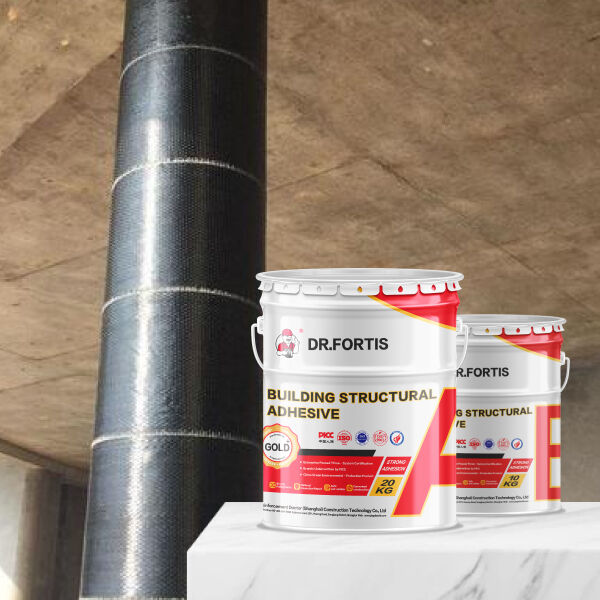
Understanding the Revolutionary Bond Strength of Carbon Fiber Adhesives
In the world of advanced materials and engineering, carbon fiber adhesive has emerged as a game-changing bonding solution that combines exceptional strength with remarkable versatility. This sophisticated adhesive technology has revolutionized industries from aerospace to automotive manufacturing, offering unprecedented bonding capabilities that surpass traditional joining methods. When properly applied, carbon fiber adhesive creates bonds that can withstand extreme conditions while maintaining structural integrity.
The impressive strength characteristics of carbon fiber adhesive stem from its unique chemical composition and the way it interacts with various substrates. Unlike conventional adhesives, these specialized formulations are engineered to create molecular-level bonds that effectively distribute stress across the entire bonded surface. This results in connections that can often exceed the strength of the materials being joined.
The Science Behind Carbon Fiber Adhesive Technology
Chemical Composition and Bonding Mechanisms
Carbon fiber adhesive typically consists of advanced epoxy or urethane-based formulations enhanced with carbon fiber particles. These particles create a complex matrix within the adhesive, significantly improving its tensile strength and shear resistance. The molecular structure of the adhesive allows it to form both mechanical and chemical bonds with the substrates, resulting in exceptionally strong connections.
The bonding process involves a carefully controlled chemical reaction that occurs as the adhesive cures. During this process, the carbon fiber particles align themselves to create a reinforced structure while the polymer chains cross-link to form an incredibly strong network. This dual-action strengthening mechanism is what gives carbon fiber adhesive its superior performance characteristics.
Performance Characteristics and Material Properties
The strength of carbon fiber adhesive is measured across multiple parameters, including tensile strength, shear strength, and impact resistance. Typical formulations can achieve tensile strengths exceeding 4,000 PSI and shear strengths of more than 3,000 PSI. These impressive numbers translate to real-world performance that often surpasses traditional mechanical fastening methods.
Temperature resistance is another crucial property of carbon fiber adhesive, with many formulations maintaining their structural integrity from -40°F to 300°F. This wide temperature range makes them ideal for applications in challenging environments where conventional adhesives would fail. Additionally, these adhesives exhibit excellent chemical resistance and durability against environmental factors.
Industrial Applications and Performance Testing
Aerospace and Automotive Implementation
In the aerospace industry, carbon fiber adhesive plays a crucial role in bonding critical components where failure is not an option. From wing assemblies to interior panels, these adhesives provide the perfect balance of strength and weight savings. Modern aircraft manufacturers rely heavily on carbon fiber adhesive to join composite materials, reducing overall weight while maintaining structural integrity.
The automotive sector has embraced carbon fiber adhesive for high-performance applications, particularly in racing and luxury vehicles. These adhesives enable the creation of lighter, stronger vehicles by effectively bonding carbon fiber components to various substrates. The result is improved fuel efficiency without compromising structural strength or safety.
Rigorous Testing Protocols and Standards
The strength of carbon fiber adhesive undergoes extensive testing to ensure reliability in critical applications. Standard tests include lap shear strength, tensile testing, and environmental exposure trials. These evaluations often involve subjecting bonded assemblies to extreme conditions, including temperature cycling, humidity exposure, and mechanical stress.
Certification standards for carbon fiber adhesive vary by industry but typically include ASTM D3163 for lap shear strength and ASTM D638 for tensile properties. These standardized tests provide quantifiable data that helps engineers and designers specify the right adhesive for their applications with confidence.
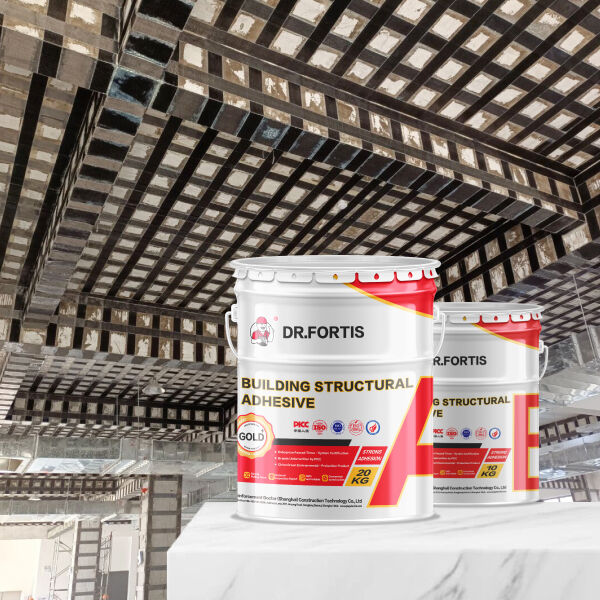
Best Practices for Maximum Bond Strength
Surface Preparation and Application Techniques
Achieving maximum strength with carbon fiber adhesive requires meticulous attention to surface preparation. This includes thorough cleaning to remove contaminants, proper surface roughening to increase mechanical bonding, and maintaining optimal environmental conditions during application. The success of the bond largely depends on following these crucial preliminary steps.
Professional application techniques involve maintaining consistent adhesive thickness, ensuring proper mixing ratios for two-part systems, and controlling cure conditions. Temperature and humidity during application and curing can significantly impact the final bond strength, making environmental control a critical factor in achieving optimal results.
Curing Process and Quality Control
The curing process for carbon fiber adhesive must be carefully monitored to achieve maximum strength. This includes maintaining recommended temperature ranges, allowing sufficient cure time, and avoiding premature stress on the bond. Some advanced formulations may require heat curing to achieve optimal properties, while others cure effectively at room temperature.
Quality control measures should include regular testing of sample bonds, monitoring environmental conditions, and maintaining detailed records of application parameters. These practices help ensure consistency and reliability in the bonding process while maximizing the adhesive's strength potential.
Frequently Asked Questions
What makes carbon fiber adhesive stronger than traditional adhesives?
Carbon fiber adhesive achieves superior strength through its unique composition combining high-performance resins with carbon fiber reinforcement. The carbon fibers create a strong internal matrix while providing excellent load distribution capabilities, resulting in bonds that can often exceed the strength of the materials being joined.
How long does carbon fiber adhesive take to reach full strength?
While initial handling strength can develop within hours, full cure typically takes 24-48 hours at room temperature. Some formulations may achieve maximum strength more quickly with heat curing, while others might require up to 7 days for complete cure under ambient conditions. Always consult the manufacturer's specifications for specific cure times.
Can carbon fiber adhesive be used on all materials?
While carbon fiber adhesive exhibits excellent adhesion to many materials, including metals, composites, and plastics, not all surfaces are suitable for bonding. Some low-surface-energy plastics may require special surface treatment or primer systems. It's essential to verify material compatibility and surface preparation requirements for your specific application.