
 EN
EN
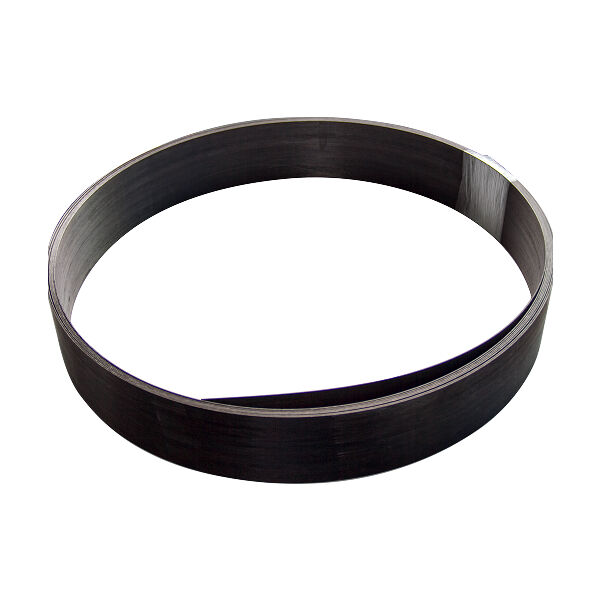
In today's advanced manufacturing landscape, carbon fiber plate materials have emerged as revolutionary components that are transforming industries from aerospace to automotive engineering. These lightweight yet incredibly strong materials offer unprecedented performance characteristics that traditional materials simply cannot match. The unique properties of carbon fiber plate materials make them ideal for applications requiring exceptional strength-to-weight ratios, corrosion resistance, and dimensional stability. As manufacturers increasingly seek materials that can deliver superior performance while reducing overall system weight, carbon fiber plate materials continue to gain prominence across diverse industrial sectors. Understanding the comprehensive benefits of these advanced materials is crucial for engineers and designers looking to optimize their product designs and achieve competitive advantages in their respective markets.
Exceptional Strength-to-Weight Ratio Performance
Superior Structural Integrity
Carbon fiber plate materials deliver extraordinary structural integrity while maintaining remarkably low weight profiles compared to traditional materials like steel or aluminum. The carbon fiber construction provides tensile strength that can exceed 3,500 MPa, which is significantly higher than most metallic alternatives. This exceptional strength allows engineers to design thinner, lighter components without compromising structural reliability or safety margins. The material's ability to maintain consistent performance under various load conditions makes it particularly valuable in applications where weight reduction is critical but structural integrity cannot be compromised.
The unique fiber orientation patterns in carbon fiber plate materials can be customized to optimize strength in specific directions, allowing for tailored performance characteristics that match application requirements. This directional strength capability enables designers to create components that perform optimally under expected load patterns while minimizing material usage. The result is components that deliver superior performance while contributing to overall system weight reduction and improved efficiency.
Weight Reduction Benefits
The lightweight nature of carbon fiber plate materials translates directly into significant weight savings for finished products and systems. Typical weight reductions of 40-60% compared to steel alternatives are commonly achieved without sacrificing performance or durability. These weight savings have cascading effects throughout entire systems, reducing energy consumption, improving handling characteristics, and enabling new design possibilities that were previously impossible with heavier materials.
In transportation applications, the weight reduction achieved with carbon fiber plate materials directly contributes to improved fuel efficiency and reduced emissions. The cumulative effect of using carbon fiber components throughout a vehicle or aircraft can result in substantial operational cost savings over the product's lifetime. Additionally, the reduced weight enables improved acceleration, braking performance, and overall dynamic behavior in moving applications.
Outstanding Corrosion and Chemical Resistance
Long-Term Durability
Carbon fiber plate materials exhibit exceptional resistance to corrosion and chemical degradation, making them ideal for applications in harsh environments where traditional materials would quickly deteriorate. Unlike metals that are susceptible to oxidation, galvanic corrosion, and chemical attack, carbon fiber maintains its structural integrity when exposed to moisture, salt spray, acids, and various industrial chemicals. This inherent resistance eliminates the need for protective coatings or frequent maintenance interventions that are typically required with metallic components.
The chemical inertness of carbon fiber plate materials ensures consistent performance over extended service periods, even in challenging environmental conditions. This durability characteristic significantly reduces lifecycle costs by eliminating premature replacement needs and reducing maintenance requirements. The materials maintain their mechanical properties and appearance even after years of exposure to elements that would cause significant degradation in conventional materials.
Environmental Stability
The environmental stability of carbon fiber plate materials extends beyond chemical resistance to include excellent performance across wide temperature ranges and humidity variations. These materials maintain dimensional stability and mechanical properties when subjected to thermal cycling, UV exposure, and varying atmospheric conditions. This stability ensures that components maintain precise tolerances and performance characteristics throughout their service life, regardless of environmental stresses.
Carbon fiber plate materials also demonstrate excellent fatigue resistance, maintaining structural integrity through millions of load cycles without developing the stress cracks or fatigue failures common in metallic materials. This fatigue resistance is particularly valuable in applications involving repetitive loading or vibration exposure, where long-term reliability is essential for operational success and safety.
Superior Dimensional Stability and Precision
Thermal Expansion Characteristics
Carbon fiber plate materials exhibit extremely low coefficients of thermal expansion, often approaching zero or even negative values depending on fiber orientation. This characteristic ensures that components maintain precise dimensions across wide temperature ranges, eliminating the dimensional variations that plague metallic components under thermal stress. The thermal stability enables the creation of precision instruments and structural components that maintain accuracy and fit regardless of operating temperature variations.
The predictable thermal behavior of carbon fiber plate materials allows engineers to design systems with tighter tolerances and improved reliability. Components made from these materials can operate effectively in applications where thermal cycling would cause significant problems with traditional materials. This stability is particularly valuable in precision applications such as optical systems, measurement instruments, and aerospace components where dimensional accuracy is critical.
Manufacturing Precision
The manufacturing processes used to create carbon fiber plate materials enable extremely precise control over thickness, surface finish, and mechanical properties. Modern manufacturing techniques can produce plates with thickness tolerances measured in hundredths of millimeters while maintaining consistent fiber orientation and resin distribution throughout the material. This precision manufacturing capability enables the creation of components with predictable performance characteristics and excellent dimensional consistency.
The surface quality achievable with carbon fiber plate materials often eliminates the need for secondary finishing operations, reducing manufacturing costs and lead times. The materials can be produced with smooth, cosmetically appealing surfaces that are ready for immediate use or require only minimal preparation for bonding or coating applications. This manufacturing efficiency contributes to overall cost-effectiveness despite the premium material costs.
Electromagnetic Interference Shielding Properties
EMI Protection Capabilities
Carbon fiber plate materials provide excellent electromagnetic interference shielding properties, making them valuable for applications where electronic equipment protection is essential. The conductive nature of carbon fibers creates effective barriers against electromagnetic radiation, helping to prevent interference with sensitive electronic systems. This shielding capability is particularly important in aerospace, defense, and medical applications where EMI protection is critical for proper operation and safety.
The shielding effectiveness of carbon fiber plate materials can be tailored through fiber orientation and layup design to optimize protection against specific frequency ranges. This customization capability allows engineers to design components that provide targeted EMI protection while maintaining other desired mechanical and physical properties. The integration of EMI shielding into structural components eliminates the need for separate shielding materials, reducing system complexity and weight.
Electrical Conductivity Control
The electrical conductivity of carbon fiber plate materials can be controlled through manufacturing parameters and surface treatments to achieve desired electrical properties. This controllability enables the creation of components that provide static dissipation, lightning strike protection, or controlled electrical isolation depending on application requirements. The ability to tailor electrical properties makes these materials versatile for various electronic and electrical applications.
Carbon fiber plate materials can be designed to provide grounding paths for electrical systems while maintaining structural function, eliminating the need for separate grounding components. This dual functionality simplifies system design and reduces component count while ensuring reliable electrical performance. The materials can also be treated to provide controlled resistance values for specific electrical applications.
Design Flexibility and Aesthetic Appeal
Complex Shape Capabilities
Carbon fiber plate materials offer exceptional design flexibility, enabling the creation of complex shapes and contours that would be difficult or impossible to achieve with traditional materials. The manufacturing processes allow for the production of components with integrated features, compound curves, and varying thickness profiles within single parts. This design flexibility enables engineers to optimize component geometry for specific performance requirements while minimizing part count and assembly complexity.
The ability to create complex geometries with carbon fiber plate materials opens new possibilities for product design and functionality integration. Components can incorporate features such as mounting bosses, stiffening ribs, and aerodynamic profiles directly into the base structure, eliminating the need for additional machining or assembly operations. This integration capability reduces manufacturing costs while improving overall system performance and reliability.
Aesthetic and Finishing Options
The distinctive appearance of carbon fiber plate materials provides immediate visual indication of advanced technology and premium quality, making them highly desirable for applications where aesthetic appeal is important. The characteristic weave pattern and high-gloss finish options create visually striking components that convey innovation and performance. This aesthetic appeal makes carbon fiber materials particularly valuable in consumer-facing applications where product appearance influences purchasing decisions.
Various finishing options are available for carbon fiber plate materials, including clear coat systems that highlight the fiber pattern, colored gel coats for specific appearance requirements, and textured surfaces for improved grip or visual contrast. These finishing options allow designers to achieve specific aesthetic goals while maintaining the performance benefits of the underlying carbon fiber structure. The finish durability ensures that components maintain their attractive appearance throughout their service life.
FAQ
What makes carbon fiber plate materials stronger than traditional materials
Carbon fiber plate materials derive their exceptional strength from the unique properties of carbon fibers themselves and the way they are oriented within the composite structure. Individual carbon fibers possess tensile strengths exceeding steel while weighing significantly less. When these fibers are combined with high-performance resins in optimized orientations, the resulting composite material can achieve strength-to-weight ratios that are 4-5 times better than steel and 2-3 times better than aluminum.
How do carbon fiber plate materials resist corrosion compared to metals
Unlike metals that corrode through oxidation and galvanic processes, carbon fiber plate materials are inherently resistant to chemical attack and environmental degradation. The carbon fibers are chemically inert and do not react with moisture, oxygen, or most industrial chemicals. The resin matrix provides additional protection while maintaining the structural bond between fibers. This resistance eliminates the need for protective coatings and significantly extends component service life in harsh environments.
Can carbon fiber plate materials be machined and modified after manufacturing
Yes, carbon fiber plate materials can be machined using appropriate tools and techniques, though special considerations apply due to the material's anisotropic properties and the potential for delamination. Diamond-coated tools, proper cutting speeds, and adequate coolant are typically required for clean cuts. Drilling, milling, and trimming operations are commonly performed, though edges may require sealing to prevent moisture ingress. The materials can also be bonded, bolted, or integrated with other components using appropriate joining methods.
What are the typical thickness ranges available for carbon fiber plate materials
Carbon fiber plate materials are available in a wide range of thicknesses to suit various applications, typically ranging from 0.5mm for thin decorative applications up to 25mm or more for heavy structural applications. Common thicknesses include 1mm, 1.5mm, 2mm, 3mm, 5mm, and 10mm variants, with custom thicknesses possible for specific requirements. The choice of thickness depends on the structural requirements, weight constraints, and performance specifications of the intended application.
Table of Contents
- Exceptional Strength-to-Weight Ratio Performance
- Outstanding Corrosion and Chemical Resistance
- Superior Dimensional Stability and Precision
- Electromagnetic Interference Shielding Properties
- Design Flexibility and Aesthetic Appeal
-
FAQ
- What makes carbon fiber plate materials stronger than traditional materials
- How do carbon fiber plate materials resist corrosion compared to metals
- Can carbon fiber plate materials be machined and modified after manufacturing
- What are the typical thickness ranges available for carbon fiber plate materials