
 EN
EN
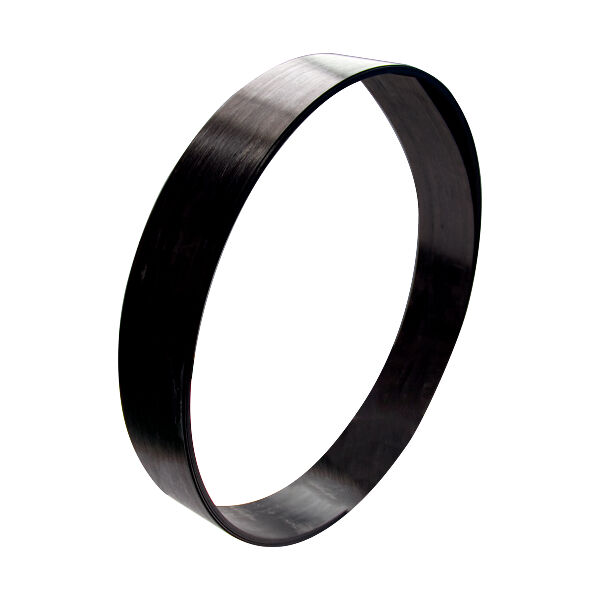
The choice between carbon fiber plate and aluminum materials has become increasingly critical in modern engineering and manufacturing applications. As industries push the boundaries of performance, weight reduction, and durability, understanding the fundamental differences between these two materials can significantly impact project success. Carbon fiber plate technology has revolutionized sectors ranging from aerospace to automotive, while aluminum continues to maintain its position as a versatile and cost-effective solution. This comprehensive analysis explores the key characteristics, applications, and performance metrics that distinguish these materials, helping engineers and designers make informed decisions based on specific project requirements.
Material Properties and Composition Differences
Carbon Fiber Plate Structure and Characteristics
Carbon fiber plates consist of thousands of carbon filaments woven together and bonded with resin matrix systems, typically epoxy. This composite structure creates exceptional directional strength properties that can be tailored to specific load requirements. The manufacturing process involves layering carbon fiber sheets in predetermined orientations, allowing engineers to optimize mechanical properties for particular applications. Modern carbon fiber plate construction utilizes advanced prepreg materials and autoclave curing processes to achieve superior fiber-to-resin ratios and eliminate voids that could compromise structural integrity.
The microscopic structure of carbon fiber plates reveals aligned carbon atoms in crystalline formations, contributing to their remarkable tensile strength and stiffness characteristics. These plates typically exhibit anisotropic properties, meaning their mechanical characteristics vary depending on the direction of applied loads. Understanding fiber orientation patterns becomes crucial when designing components that will experience complex stress distributions during operation.
Aluminum Alloy Properties and Metallurgy
Aluminum plates derive their properties from carefully controlled alloy compositions and heat treatment processes. Common aluminum alloys used in structural applications include 6061, 7075, and 2024 series, each offering distinct combinations of strength, corrosion resistance, and workability. The crystalline structure of aluminum provides isotropic properties, meaning consistent mechanical characteristics in all directions, which simplifies design calculations and stress analysis procedures.
Heat treatment processes such as solution heat treatment, quenching, and aging allow manufacturers to precisely control aluminum plate properties. These metallurgical manipulations enable the optimization of yield strength, ultimate tensile strength, and ductility to meet specific application requirements. The ability to achieve predictable and consistent properties across large aluminum plate sections makes this material particularly attractive for structural applications requiring uniform performance characteristics.
Strength-to-Weight Performance Analysis
Tensile Strength and Stiffness Comparisons
Carbon fiber plates demonstrate superior tensile strength characteristics compared to aluminum alternatives, often achieving values exceeding 600 MPa while maintaining significantly lower density. The specific strength of high-performance carbon fiber plates can reach levels three to four times greater than equivalent aluminum sections. This exceptional strength-to-weight ratio enables designers to reduce component thickness and overall system weight without compromising structural performance or safety margins.
Elastic modulus values for carbon fiber plates typically range from 120 to 240 GPa, depending on fiber type and orientation, compared to aluminum's consistent 70 GPa modulus. This higher stiffness translates to reduced deflection under load and improved dimensional stability in precision applications. The superior stiffness characteristics of carbon fiber plate construction make them ideal for applications where minimal deformation is critical to operational performance.
Fatigue Resistance and Durability Factors
Fatigue performance represents a critical consideration when comparing carbon fiber plates to aluminum alternatives. Carbon fiber composites exhibit excellent fatigue resistance due to their fiber-reinforced structure, which distributes stress concentrations and prevents crack propagation. Unlike aluminum, which can experience significant strength degradation under cyclic loading, properly designed carbon fiber plates maintain consistent performance throughout extended service life cycles.
The damage tolerance characteristics of carbon fiber plates differ substantially from aluminum behavior. While aluminum plates may develop visible cracks that can be monitored and managed, carbon fiber damage often occurs as delamination or fiber breakage that may not be immediately apparent. This difference necessitates distinct inspection and maintenance protocols for each material type to ensure continued operational safety and reliability.
Manufacturing and Processing Considerations
Carbon Fiber Plate Production Methods
Manufacturing carbon fiber plates requires sophisticated processes including prepreg layup, autoclave curing, and precision machining operations. The production workflow demands controlled environmental conditions to prevent contamination and ensure proper resin curing characteristics. Typical manufacturing cycles involve temperatures ranging from 120 to 180 degrees Celsius under pressures of 5 to 7 atmospheres, requiring specialized equipment and trained personnel to achieve consistent quality standards.
Quality control measures for carbon fiber plate production include ultrasonic inspection, x-ray analysis, and mechanical testing protocols to verify structural integrity and performance specifications. The complexity of these manufacturing processes contributes to higher initial costs but enables the creation of components with precisely controlled properties and exceptional performance characteristics that justify the investment in demanding applications.
Aluminum Plate Manufacturing and Machining
Aluminum plate production utilizes well-established rolling, heat treatment, and machining processes that offer greater flexibility and lower tooling costs compared to carbon fiber alternatives. Standard metalworking equipment can efficiently process aluminum plates using conventional cutting, drilling, and forming operations. This manufacturing accessibility enables rapid prototyping, design modifications, and cost-effective production scaling for various application requirements.
The machinability advantages of aluminum plates extend to welding, joining, and surface treatment operations that can be performed using standard industrial processes. These conventional manufacturing capabilities reduce lead times, simplify supply chain management, and enable local sourcing options that may not be available for specialized carbon fiber plate production facilities.
Cost Analysis and Economic Factors
Initial Investment and Material Costs
The upfront cost differential between carbon fiber plates and aluminum represents a significant decision factor in material selection processes. Carbon fiber plates typically cost 5 to 15 times more than equivalent aluminum sections, depending on specification requirements and production volumes. This substantial cost difference reflects the complexity of carbon fiber manufacturing processes, specialized raw materials, and limited production capacity compared to established aluminum industry infrastructure.
However, total cost analysis must consider the reduced material volume required for carbon fiber plate applications due to superior strength-to-weight characteristics. In many cases, the ability to achieve equivalent performance with thinner carbon fiber sections can offset some of the raw material cost premium through reduced shipping weights, simplified installation procedures, and improved operational efficiency.
Lifecycle Cost Considerations
Long-term economic analysis reveals additional factors that influence the true cost comparison between carbon fiber plates and aluminum alternatives. The exceptional durability and corrosion resistance of carbon fiber plates can eliminate the need for protective coatings, regular maintenance, and premature replacement cycles that may be required for aluminum components in harsh operating environments.
Energy savings resulting from reduced system weight can provide significant operational cost benefits over extended service periods. In transportation applications, the weight reduction achieved through carbon fiber plate implementation translates directly to improved fuel efficiency and reduced operational expenses that can justify higher initial material investments through accumulated savings over the component lifecycle.
Application-Specific Performance Characteristics
Aerospace and Aviation Applications
The aerospace industry has extensively adopted carbon fiber plates for structural components where weight reduction directly impacts fuel efficiency and payload capacity. Aircraft manufacturers utilize carbon fiber plates in wing structures, fuselage panels, and control surfaces to achieve optimal strength-to-weight ratios while maintaining strict safety and reliability standards. The ability to tailor fiber orientations for specific load paths enables engineers to optimize structural efficiency and minimize material usage.
Temperature stability and dimensional precision requirements in aerospace applications favor carbon fiber plate selection for components exposed to thermal cycling and extreme environmental conditions. The low coefficient of thermal expansion and superior fatigue resistance of carbon fiber plates contribute to improved operational reliability and reduced maintenance requirements compared to aluminum alternatives in demanding flight environments.
Automotive and Racing Industries
High-performance automotive applications leverage carbon fiber plate technology to achieve significant weight reduction without compromising structural integrity or safety performance. Racing applications particularly benefit from the superior strength-to-weight characteristics of carbon fiber plates in chassis components, body panels, and aerodynamic elements where every gram of weight reduction translates to improved acceleration and handling characteristics.
The design flexibility offered by carbon fiber plate construction enables automotive engineers to create complex geometries and integrated structures that would be difficult or impossible to achieve using conventional aluminum fabrication methods. This capability supports innovative design approaches that can improve vehicle performance, safety, and manufacturing efficiency while meeting increasingly stringent environmental regulations.
Environmental Impact and Sustainability
Manufacturing Environmental Footprint
The environmental impact of carbon fiber plate production involves significant energy consumption during the carbon fiber manufacturing process, which requires high-temperature treatment of precursor materials. However, the exceptional durability and longevity of carbon fiber plates can offset this initial environmental cost through extended service life and reduced replacement frequency compared to aluminum alternatives that may require more frequent replacement or maintenance.
Recycling considerations present different challenges for each material type. Aluminum plates offer excellent recyclability through established melting and reprocessing operations that maintain material properties through multiple recycling cycles. Carbon fiber plate recycling requires more specialized processes to recover fiber materials, though advancing technologies are improving the economic viability of carbon fiber recycling operations.
Operational Environmental Benefits
The weight reduction achieved through carbon fiber plate implementation provides measurable environmental benefits in transportation applications through reduced fuel consumption and lower emissions over the operational lifetime. These ongoing environmental advantages can significantly outweigh the higher initial manufacturing footprint, particularly in applications with long service lives and high utilization rates.
Corrosion resistance characteristics of carbon fiber plates eliminate the need for protective coatings and surface treatments that may involve environmentally harmful chemicals or processes required for aluminum component protection. This advantage reduces both environmental impact and maintenance requirements throughout the component lifecycle.
FAQ
What are the main advantages of carbon fiber plates over aluminum?
Carbon fiber plates offer superior strength-to-weight ratios, exceptional fatigue resistance, and excellent corrosion resistance compared to aluminum. They provide design flexibility through tailored fiber orientations and maintain dimensional stability under thermal cycling conditions. While initial costs are higher, carbon fiber plates can deliver significant performance benefits in weight-critical applications where their advanced properties justify the investment.
In which applications should aluminum be chosen over carbon fiber plates?
Aluminum remains the preferred choice for applications requiring cost-effectiveness, easy machinability, and conventional manufacturing processes. It excels in situations where isotropic properties are beneficial, welding or joining is required, and recyclability is a priority. Aluminum plates are ideal for structural applications where the superior properties of carbon fiber plates are not necessary to meet performance requirements.
How do maintenance requirements differ between carbon fiber and aluminum plates?
Carbon fiber plates typically require specialized inspection techniques such as ultrasonic testing to detect internal damage, while aluminum damage is often visible through crack propagation. Aluminum may require protective coatings and corrosion prevention measures, whereas carbon fiber plates are naturally corrosion-resistant. However, carbon fiber plates can be more sensitive to impact damage and may require careful handling procedures.
What factors should be considered when selecting between carbon fiber and aluminum plates?
Key selection factors include application requirements for strength-to-weight ratio, environmental conditions, manufacturing constraints, cost considerations, and maintenance capabilities. Consider the total lifecycle costs, including initial material investment, manufacturing complexity, operational benefits, and end-of-life disposal or recycling options. The decision should align with project performance objectives, budget constraints, and long-term operational requirements.
Table of Contents
- Material Properties and Composition Differences
- Strength-to-Weight Performance Analysis
- Manufacturing and Processing Considerations
- Cost Analysis and Economic Factors
- Application-Specific Performance Characteristics
- Environmental Impact and Sustainability
-
FAQ
- What are the main advantages of carbon fiber plates over aluminum?
- In which applications should aluminum be chosen over carbon fiber plates?
- How do maintenance requirements differ between carbon fiber and aluminum plates?
- What factors should be considered when selecting between carbon fiber and aluminum plates?