 EN
EN
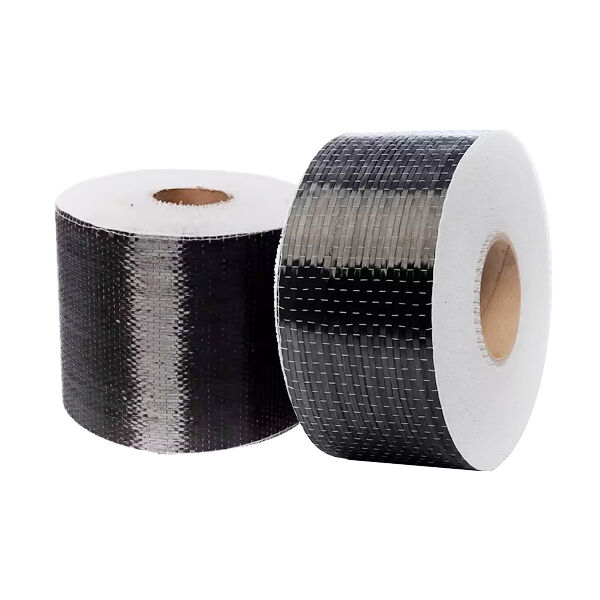
The construction industry continuously evolves with innovative materials that enhance structural integrity while reducing weight and maintenance costs. Among these advanced materials, 200g carbon fiber cloth has emerged as a revolutionary solution for strengthening existing structures and creating new applications across various construction projects. This lightweight yet incredibly strong material offers exceptional properties that make it indispensable for modern construction challenges, from seismic retrofitting to architectural reinforcement applications.
Understanding the Structural Properties of Carbon Fiber Cloth
Material Composition and Manufacturing
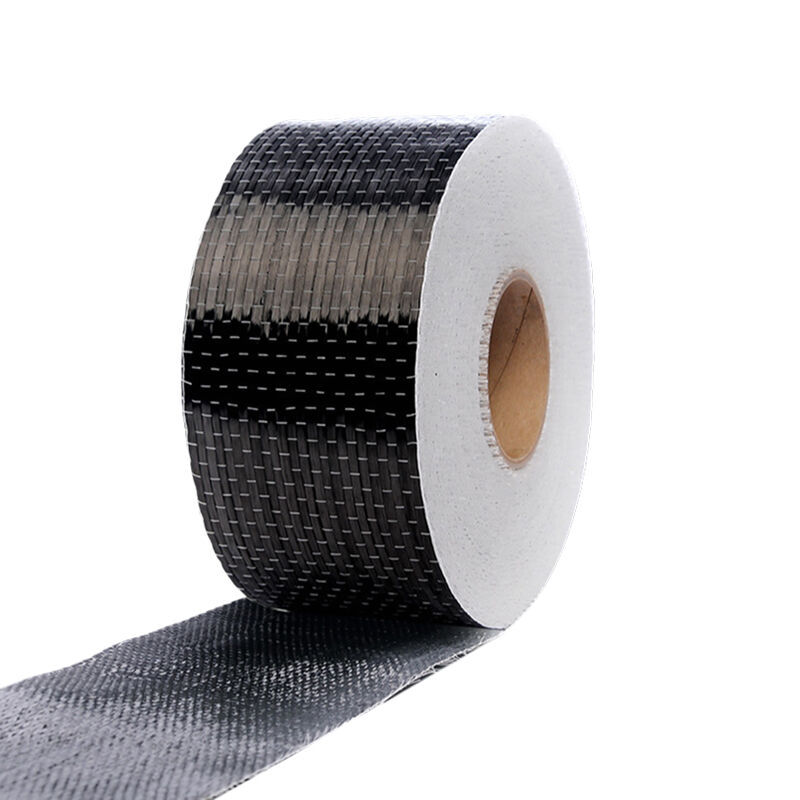
The 200g carbon fiber cloth represents a specific weight classification that indicates the material density per square meter, making it an ideal balance between strength and workability. This classification ensures consistent performance characteristics across different applications while maintaining cost-effectiveness for construction projects. The manufacturing process involves weaving carbon fibers into a uniform fabric that provides bidirectional strength properties essential for structural reinforcement applications.
Carbon fiber cloth at 200g weight demonstrates exceptional tensile strength properties that far exceed traditional reinforcement materials like steel mesh or fiberglass. The material's unique molecular structure creates a lightweight solution that doesn't add significant dead load to existing structures while providing superior strengthening capabilities. This characteristic makes 200g carbon fiber cloth particularly valuable for projects where weight restrictions are critical considerations.
Mechanical Performance Characteristics
The mechanical properties of 200g carbon fiber cloth include high tensile strength, excellent fatigue resistance, and superior durability under various environmental conditions. These properties translate into long-term structural performance that reduces maintenance requirements and extends the service life of reinforced elements. The material exhibits consistent behavior under both static and dynamic loading conditions, making it suitable for seismic zones and high-traffic applications.
Testing data consistently shows that 200g carbon fiber cloth maintains its structural integrity across wide temperature ranges and exposure to chemical environments common in construction applications. The material's resistance to corrosion eliminates concerns about degradation that plague traditional steel reinforcement methods. This durability factor significantly impacts lifecycle costs and project sustainability considerations for construction professionals.
Construction Applications and Installation Methods
Structural Strengthening Applications
Construction projects frequently utilize 200g carbon fiber cloth for strengthening concrete beams, columns, and slabs that require increased load-carrying capacity. The material bonds effectively with existing concrete surfaces through advanced epoxy systems, creating a composite action that enhances overall structural performance. This application method allows for strengthening without extensive demolition or reconstruction, making it cost-effective for renovation and retrofit projects.
Bridge construction and rehabilitation projects particularly benefit from 200g carbon fiber cloth applications due to the material's ability to increase flexural and shear capacity while minimizing additional weight. The cloth can be applied to both tension and compression faces of structural elements, providing versatility in design approaches. Installation procedures can often be completed without disrupting traffic flow or requiring extensive access equipment.
Seismic Retrofitting Solutions
Earthquake-prone regions extensively employ 200g carbon fiber cloth for seismic retrofitting of existing buildings and infrastructure. The material's high strength-to-weight ratio makes it ideal for improving ductility and energy dissipation capacity of concrete structures without significantly altering their dynamic characteristics. Wrapping columns and walls with carbon fiber cloth enhances confinement and prevents brittle failure modes during seismic events.
Installation techniques for seismic applications require careful attention to fiber orientation and overlap requirements to ensure optimal performance during earthquake loading. The 200g carbon fiber cloth provides sufficient flexibility during installation while maintaining the necessary strength properties for seismic resistance. Proper surface preparation and adhesive selection are critical factors that influence the effectiveness of seismic retrofitting applications.
Economic Benefits and Cost Analysis
Initial Investment Considerations
While the initial material cost of 200g carbon fiber cloth may appear higher than traditional reinforcement methods, comprehensive cost analysis reveals significant economic advantages over project lifecycles. The lightweight nature of the material reduces transportation costs and eliminates the need for heavy lifting equipment during installation. Labor requirements are typically lower due to the ease of handling and application compared to steel reinforcement alternatives.
Installation speed represents another economic advantage, as 200g carbon fiber cloth applications can often be completed in fraction of the time required for conventional strengthening methods. This reduced construction timeline translates into lower indirect costs, earlier project completion, and faster return on investment for commercial applications. The material's ability to be installed in confined spaces without extensive access requirements further reduces overall project costs.
Long-term Maintenance Savings
The corrosion resistance of 200g carbon fiber cloth eliminates ongoing maintenance costs associated with steel reinforcement protection and replacement. Traditional steel reinforcement requires periodic inspection, coating renewal, and potential replacement due to corrosion damage. Carbon fiber applications maintain their performance characteristics throughout their service life without degradation, resulting in substantial long-term savings.
Lifecycle cost analysis consistently demonstrates that structures reinforced with 200g carbon fiber cloth require minimal maintenance intervention compared to conventional reinforcement methods. This characteristic is particularly valuable for infrastructure applications where access for maintenance is difficult or expensive. The material's durability ensures that initial investment costs are amortized over extended service periods without significant additional expenses.
Environmental and Sustainability Advantages
Carbon Footprint Reduction
Construction projects utilizing 200g carbon fiber cloth contribute to environmental sustainability through reduced material transportation requirements and lower energy consumption during installation. The lightweight characteristics significantly reduce fuel consumption for material delivery and eliminate the need for heavy construction equipment typically required for steel reinforcement installation. This reduction in transportation and equipment usage directly correlates to lower carbon emissions throughout the construction process.
Manufacturing processes for 200g carbon fiber cloth have evolved to incorporate more sustainable practices, including energy-efficient production methods and recycling of manufacturing waste. The material's longevity reduces the need for replacement and renovation cycles, further minimizing environmental impact over structure lifecycles. These sustainability factors align with green building certification requirements and environmental stewardship goals increasingly important in modern construction projects.
Waste Reduction and Recyclability
Installation of 200g carbon fiber cloth generates minimal construction waste compared to traditional reinforcement methods that often require extensive cutting, fitting, and disposal of excess materials. The material can be precisely cut to required dimensions, reducing waste generation and disposal costs. Packaging materials for carbon fiber cloth are typically minimal and recyclable, contributing to overall waste reduction goals.
End-of-life considerations for structures reinforced with 200g carbon fiber cloth include potential for material recovery and recycling in future applications. Research into carbon fiber recycling technologies continues to advance, providing pathways for material recovery that weren't available with traditional reinforcement methods. This recyclability potential enhances the overall sustainability profile of construction projects utilizing carbon fiber reinforcement systems.
Technical Performance in Various Environments
Temperature Resistance and Thermal Properties
The thermal performance characteristics of 200g carbon fiber cloth make it suitable for construction applications in extreme temperature environments where traditional materials might fail or degrade. The material maintains its mechanical properties across wide temperature ranges, from arctic conditions to high-temperature industrial applications. This thermal stability ensures consistent structural performance regardless of environmental temperature variations.
Thermal expansion coefficients of 200g carbon fiber cloth closely match those of concrete, minimizing thermal stress concentrations that could lead to bond failure or cracking. This compatibility reduces the risk of premature failure due to thermal cycling and extends the service life of reinforced structures. The material's low thermal conductivity also provides insulation benefits that can contribute to energy efficiency in building applications.
Chemical Resistance and Durability
Chemical resistance properties of 200g carbon fiber cloth make it particularly valuable for construction applications in aggressive environments such as wastewater treatment facilities, chemical processing plants, and marine structures. The material demonstrates excellent resistance to acids, alkalis, and salt exposure that commonly cause degradation in traditional reinforcement systems. This chemical inertness ensures long-term performance without protective coatings or barrier systems.
Durability testing of 200g carbon fiber cloth under accelerated aging conditions confirms the material's ability to maintain structural properties over extended periods. Exposure to ultraviolet radiation, moisture cycling, and freeze-thaw conditions shows minimal impact on mechanical performance when proper installation procedures are followed. This durability translates into reliable long-term performance for critical infrastructure applications.
FAQ
How does 200g carbon fiber cloth compare to heavier weight carbon fiber materials
The 200g carbon fiber cloth offers an optimal balance between strength and workability, making it easier to install while providing sufficient reinforcement for most construction applications. Heavier weight carbon fiber materials may provide higher ultimate strength but can be more difficult to conform to complex geometries and may require specialized installation techniques. The 200g weight classification provides adequate strength for typical structural strengthening requirements while maintaining cost-effectiveness and installation efficiency.
What surface preparation is required before applying carbon fiber cloth
Proper surface preparation for 200g carbon fiber cloth installation requires cleaning the substrate to remove loose materials, dirt, oil, and other contaminants that could interfere with adhesive bonding. Concrete surfaces should be ground or sandblasted to achieve the required surface profile, typically 3-5mm amplitude. Any cracks or surface defects must be repaired with appropriate materials before applying the primer and adhesive systems that bond the carbon fiber cloth to the substrate.
Can carbon fiber cloth be applied in cold weather conditions
Installation of 200g carbon fiber cloth in cold weather requires careful attention to adhesive curing requirements and may necessitate heated enclosures or special cold-weather adhesive formulations. Most standard epoxy systems require minimum temperatures above 50°F for proper curing, though specialized formulations can extend the working temperature range. Cold weather installations should follow manufacturer guidelines for temperature requirements and may require extended curing times to achieve full bond strength.
What quality control measures ensure proper carbon fiber cloth installation
Quality control for 200g carbon fiber cloth installations includes verification of proper surface preparation, adhesive mixing and application procedures, fiber orientation alignment, and elimination of air voids or wrinkles in the fabric. Pull-off testing of adhesive bonds, visual inspection for proper saturation of the fabric, and documentation of installation procedures ensure compliance with design requirements. Regular monitoring of environmental conditions during installation and curing also contributes to quality assurance for carbon fiber reinforcement applications.