 EN
EN
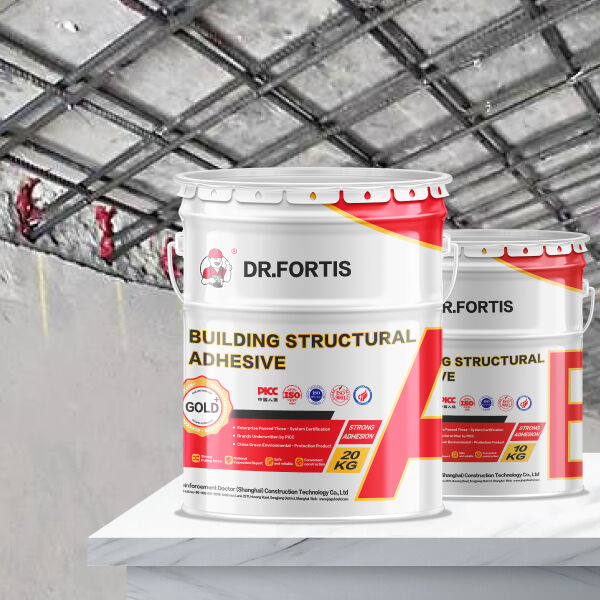
Heavy-duty construction and industrial projects demand adhesives that can withstand extreme loads, environmental stresses, and long-term durability requirements. The selection of an appropriate structural reinforcement adhesive becomes critical when engineers and contractors face challenging applications involving concrete repair, steel bonding, composite reinforcement, and structural strengthening. Understanding the characteristics and performance capabilities of different adhesive formulations enables professionals to make informed decisions that ensure project success and safety compliance.
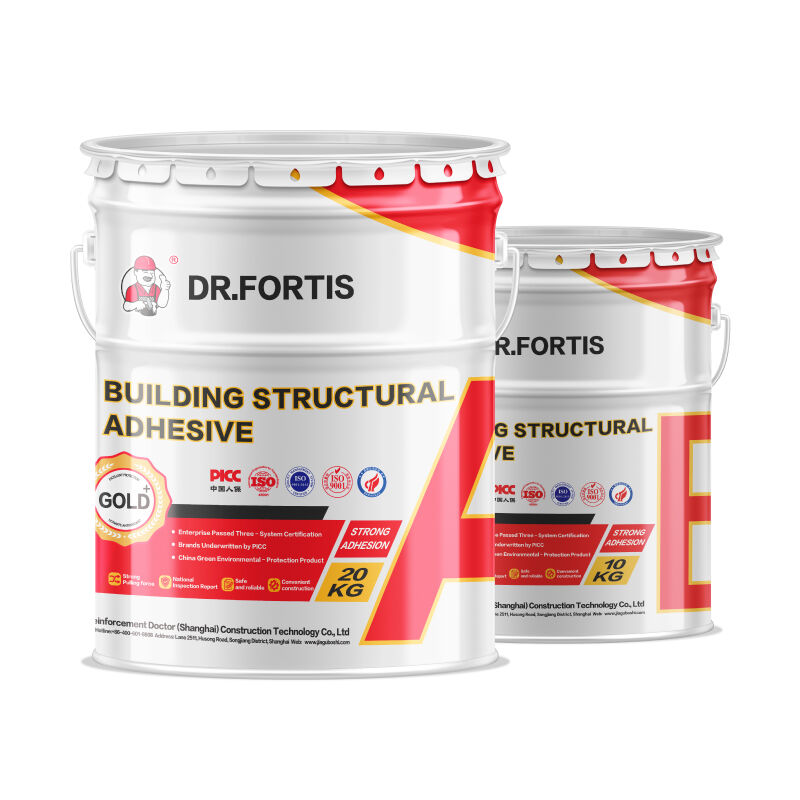
Modern construction projects require adhesive solutions that deliver exceptional bonding strength while maintaining flexibility under dynamic loading conditions. The evolution of structural reinforcement adhesive technology has introduced advanced polymer systems capable of supporting massive structural loads across diverse substrate combinations. These specialized formulations offer superior performance characteristics compared to traditional mechanical fastening methods, providing seamless load distribution and enhanced structural integrity throughout the service life of critical infrastructure components.
Understanding Structural Reinforcement Adhesive Applications
Bridge and Infrastructure Rehabilitation
Infrastructure rehabilitation projects frequently utilize structural reinforcement adhesive systems to restore and strengthen aging concrete and steel structures. These applications demand adhesives with exceptional tensile strength, shear resistance, and long-term durability under cyclic loading conditions. Bridge deck repairs, pier strengthening, and expansion joint installations rely heavily on high-performance adhesive formulations that maintain structural integrity despite temperature fluctuations, moisture exposure, and dynamic traffic loads.
The selection process for infrastructure applications involves evaluating adhesive properties such as modulus of elasticity, creep resistance, and fatigue performance. Engineers must consider substrate compatibility, environmental exposure conditions, and anticipated service loads when specifying structural reinforcement adhesive systems. Advanced epoxy and polyurethane formulations have proven particularly effective in demanding infrastructure applications, offering excellent adhesion to concrete, steel, and composite materials while providing long-term structural performance.
Industrial Manufacturing and Assembly
Manufacturing industries increasingly rely on structural reinforcement adhesive solutions for assembling heavy machinery, equipment frames, and structural components. These applications require adhesives capable of transmitting high loads between dissimilar materials while accommodating thermal expansion and operational vibrations. The automotive, aerospace, and heavy equipment sectors have adopted advanced adhesive technologies that eliminate the need for traditional welding and mechanical fastening in many critical applications.
Industrial assembly processes benefit from the design flexibility offered by structural reinforcement adhesive systems, enabling engineers to create complex geometries and optimize load paths throughout assembled structures. Modern adhesive formulations provide excellent gap-filling capabilities, allowing for manufacturing tolerances while maintaining structural performance. The elimination of heat-affected zones associated with welding processes represents a significant advantage in applications involving heat-sensitive materials or precision-machined components.
Key Performance Characteristics of Heavy-Duty Adhesives
Mechanical Property Requirements
Heavy-duty applications demand structural reinforcement adhesive systems with exceptional mechanical properties that exceed standard construction adhesive specifications. Tensile strength values typically range from 3,000 to 8,000 PSI, while shear strength capabilities often exceed 2,500 PSI for premium formulations. These mechanical properties must remain stable across wide temperature ranges, ensuring reliable performance in extreme environmental conditions encountered in industrial and infrastructure applications.
Modulus of elasticity represents another critical performance parameter, with optimal values balancing structural stiffness requirements against flexibility needs for accommodating substrate movement. High-modulus formulations provide excellent load transfer capabilities but may become brittle under dynamic loading conditions. Conversely, lower-modulus systems offer superior flexibility but may exhibit excessive deformation under high static loads. The selection of appropriate mechanical properties requires careful analysis of specific application requirements and loading conditions.
Environmental Durability and Chemical Resistance
Long-term performance of structural reinforcement adhesive systems depends heavily on resistance to environmental degradation and chemical exposure. UV radiation, temperature cycling, moisture ingress, and chemical contamination can significantly impact adhesive performance over extended service periods. Premium formulations incorporate advanced stabilizers and protective additives that maintain structural properties despite harsh environmental exposure conditions.
Chemical resistance becomes particularly important in industrial environments where adhesive systems may encounter oils, solvents, acids, and alkaline solutions. The chemical compatibility of structural reinforcement adhesive formulations must align with anticipated exposure conditions to prevent premature failure or degradation. Advanced polymer chemistry has enabled the development of adhesive systems with exceptional resistance to chemical attack while maintaining superior mechanical properties.
Comparing Epoxy and Polyurethane Formulations
Epoxy-Based Structural Adhesives
Epoxy-based structural reinforcement adhesive systems dominate heavy-duty applications due to their exceptional mechanical properties and versatility across diverse substrate combinations. Two-component epoxy formulations offer excellent control over curing characteristics, allowing for extended working times and optimized mechanical properties. These systems typically provide the highest strength values and superior creep resistance, making them ideal for applications requiring maximum structural performance.
Modern epoxy formulations incorporate advanced curing agents and modifiers that enhance toughness, flexibility, and environmental resistance. Structural grade epoxies often include impact modifiers that improve resistance to dynamic loading while maintaining high strength characteristics. Temperature resistance capabilities vary significantly among epoxy formulations, with some systems providing reliable performance at temperatures exceeding 200°F while others are optimized for ambient temperature applications.
Polyurethane Structural Systems
Polyurethane-based structural reinforcement adhesive formulations offer unique advantages in applications requiring flexibility, impact resistance, and superior elongation characteristics. These systems excel in applications involving substrate movement, thermal cycling, and vibration exposure where rigid adhesive systems might fail. Single-component moisture-cure polyurethanes provide excellent convenience for field applications while maintaining structural performance capabilities.
The elastomeric properties of polyurethane adhesives enable effective stress distribution across bonded joints, reducing peak stresses that could lead to premature failure. These systems typically exhibit excellent adhesion to difficult substrates and provide superior performance in applications involving dissimilar materials with different thermal expansion coefficients. Advanced polyurethane formulations combine structural strength with elastomeric properties, creating versatile adhesive systems suitable for demanding industrial applications.
Surface Preparation and Application Techniques
Critical Surface Preparation Requirements
Successful application of structural reinforcement adhesive systems requires meticulous surface preparation to achieve optimal bonding performance. Substrate cleanliness, roughness, and chemical compatibility directly impact adhesive strength and long-term durability. Concrete surfaces typically require mechanical preparation to remove laitance, contaminants, and achieve appropriate surface profile for maximum adhesive penetration and mechanical interlocking.
Steel substrates demand thorough cleaning to remove rust, scale, oils, and other contaminants that could compromise adhesive bonding. Abrasive blasting or mechanical grinding often provides the optimal surface condition for structural bonding applications. The timing between surface preparation and adhesive application becomes critical, as prepared surfaces can become contaminated or develop oxidation that reduces bonding effectiveness. Environmental conditions during surface preparation and application significantly influence the success of structural reinforcement adhesive installations.
Mixing and Application Best Practices
Proper mixing techniques ensure uniform distribution of components in multi-part structural reinforcement adhesive systems, preventing weak spots or incomplete curing that could compromise structural performance. Mechanical mixing equipment typically provides more consistent results than hand mixing, particularly for large-volume applications. Mixing ratios must be precisely controlled according to manufacturer specifications to achieve optimal mechanical properties and curing characteristics.
Application techniques vary depending on joint geometry, accessibility, and structural requirements. Injection methods work well for filling cracks or voids, while trowel application suits larger surface areas requiring uniform thickness. Temperature and humidity conditions during application affect working time, curing rate, and final properties of the cured adhesive. Quality control measures throughout the application process ensure consistent results and help identify potential issues before they impact structural performance.
Testing and Quality Assurance Protocols
Laboratory Testing Standards
Comprehensive testing protocols verify the performance characteristics of structural reinforcement adhesive systems under simulated service conditions. ASTM standards provide standardized test methods for evaluating tensile strength, shear strength, compressive properties, and environmental durability. These tests enable engineers to compare different adhesive formulations and select products that meet specific application requirements.
Advanced testing protocols evaluate adhesive performance under dynamic loading conditions, temperature cycling, and accelerated aging to predict long-term service behavior. Pull-off testing methods assess actual bonding strength achieved in field applications, providing valuable feedback on installation quality and adhesive performance. Specialized testing equipment enables evaluation of adhesive properties at elevated temperatures, under chemical exposure, and following extended environmental conditioning.
Field Quality Control Measures
Field quality control programs ensure that structural reinforcement adhesive installations meet design specifications and performance requirements. Documentation of environmental conditions, mixing procedures, and application techniques provides traceability and helps identify factors that could impact long-term performance. Regular sampling and testing of mixed adhesive materials verify proper ratio control and material quality throughout installation activities.
Visual inspection protocols identify potential issues such as incomplete coverage, air entrapment, or surface contamination that could compromise structural performance. Non-destructive testing methods enable verification of bonding quality without damaging completed installations. These quality assurance measures provide confidence in the structural integrity of adhesive-bonded connections and help ensure project success over extended service periods.
Cost-Effectiveness and Long-Term Value
Initial Investment Considerations
The initial cost of premium structural reinforcement adhesive systems often exceeds that of standard construction adhesives, but the superior performance characteristics justify the investment in demanding applications. Material costs represent only a portion of total project expenses, with labor, equipment, and potential failure costs contributing significantly to overall project economics. High-performance adhesives often reduce installation time and complexity compared to traditional mechanical fastening methods.
Value engineering analysis should consider the complete lifecycle costs associated with different adhesive options, including maintenance requirements, expected service life, and replacement costs. Premium structural reinforcement adhesive formulations typically provide longer service life and reduced maintenance needs, resulting in lower total ownership costs despite higher initial material costs. The elimination of mechanical fasteners can reduce material and labor costs while improving structural performance and aesthetics.
Maintenance and Service Life Benefits
High-quality structural reinforcement adhesive systems typically require minimal maintenance throughout their service life, reducing ongoing operational costs and disruption to facility operations. The seamless nature of adhesive joints eliminates many maintenance issues associated with mechanical fasteners, such as corrosion, loosening, and fatigue cracking. Proper adhesive selection and installation can provide service life exceeding 25 years in demanding applications.
The durability advantages of premium adhesive systems become particularly valuable in applications where access for maintenance is difficult or costly. Offshore structures, high-rise buildings, and underground installations benefit significantly from the long-term reliability provided by properly selected and applied structural reinforcement adhesive systems. Reduced maintenance requirements translate directly to lower lifecycle costs and improved operational efficiency throughout the structure's service life.
FAQ
What factors determine the selection of structural reinforcement adhesive for specific applications?
The selection of structural reinforcement adhesive depends on several critical factors including substrate materials, anticipated loads, environmental exposure conditions, and service temperature requirements. Engineers must evaluate mechanical properties such as tensile strength, shear strength, and modulus of elasticity to ensure adequate structural performance. Environmental factors including UV exposure, chemical compatibility, and temperature cycling significantly influence adhesive selection. Application requirements such as working time, cure speed, and installation accessibility also impact product choice.
How do environmental conditions affect the performance of structural reinforcement adhesive systems?
Environmental conditions significantly impact both the installation and long-term performance of structural reinforcement adhesive systems. Temperature and humidity during application affect curing characteristics, working time, and final mechanical properties. Long-term exposure to UV radiation, temperature cycling, moisture, and chemical contaminants can degrade adhesive properties over time. Premium formulations incorporate stabilizers and protective additives to maintain performance under harsh environmental conditions, but proper selection remains critical for specific exposure scenarios.
What are the key differences between epoxy and polyurethane structural adhesives?
Epoxy-based structural reinforcement adhesive systems typically provide higher strength values, superior creep resistance, and excellent dimensional stability, making them ideal for applications requiring maximum structural performance. Polyurethane formulations offer superior flexibility, impact resistance, and elongation characteristics, excelling in applications involving substrate movement and dynamic loading. Epoxies generally provide better chemical resistance and temperature performance, while polyurethanes offer advantages in applications requiring elastomeric properties and accommodation of thermal expansion differences between substrates.
How important is surface preparation for structural reinforcement adhesive applications?
Surface preparation represents the most critical factor in achieving successful structural reinforcement adhesive installations. Proper cleaning, roughening, and conditioning of substrate surfaces directly impact bonding strength and long-term durability. Contaminated, smooth, or chemically incompatible surfaces can result in premature adhesive failure regardless of the quality of the adhesive system used. Concrete surfaces typically require mechanical preparation to achieve appropriate surface profile, while steel substrates need thorough cleaning to remove rust, oils, and other contaminants that compromise bonding effectiveness.
Table of Contents
- Understanding Structural Reinforcement Adhesive Applications
- Key Performance Characteristics of Heavy-Duty Adhesives
- Comparing Epoxy and Polyurethane Formulations
- Surface Preparation and Application Techniques
- Testing and Quality Assurance Protocols
- Cost-Effectiveness and Long-Term Value
-
FAQ
- What factors determine the selection of structural reinforcement adhesive for specific applications?
- How do environmental conditions affect the performance of structural reinforcement adhesive systems?
- What are the key differences between epoxy and polyurethane structural adhesives?
- How important is surface preparation for structural reinforcement adhesive applications?