EN
EN
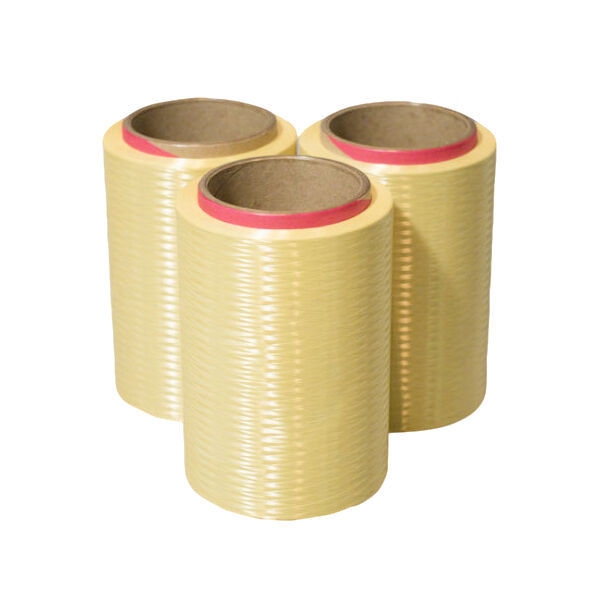
The choice between aramid fiber fabric and carbon fiber represents one of the most critical decisions in advanced composite material selection, particularly for applications requiring exceptional strength-to-weight ratios and specialized performance characteristics. Understanding how these two high-performance materials compare across different applications enables engineers and manufacturers to make informed decisions that optimize both performance and cost-effectiveness in their specific use cases.
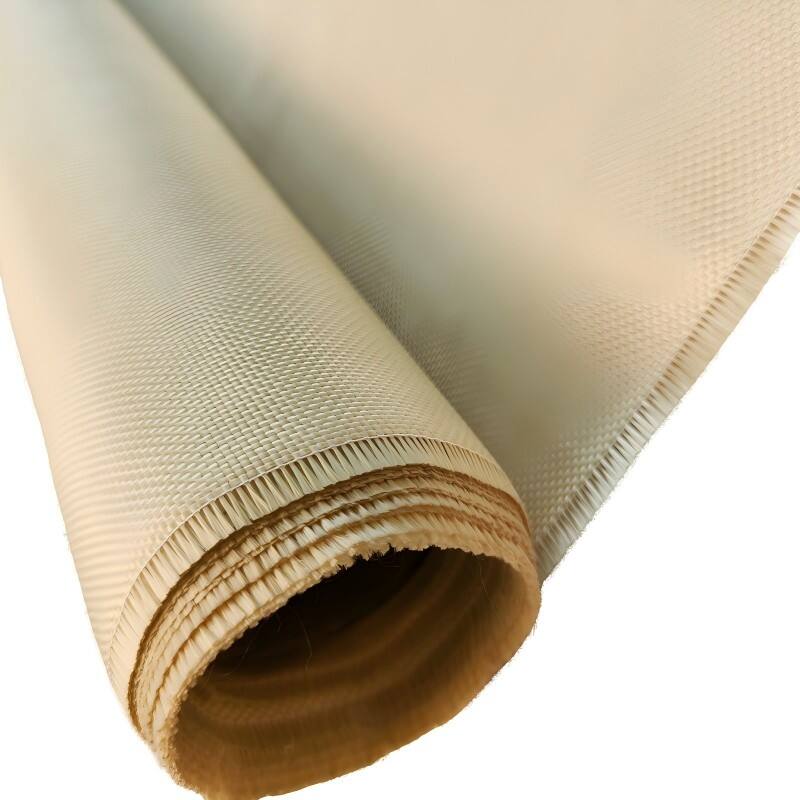
Both aramid fiber fabric and carbon fiber excel in demanding environments where traditional materials fail to meet performance requirements. However, their distinct material properties, manufacturing considerations, and application-specific advantages create significant differences in how they perform across various industrial sectors. This comparative analysis examines the fundamental characteristics that distinguish these materials and explores how their unique properties influence application selection in real-world scenarios.
Material Property Differences Between Aramid and Carbon Fiber
Tensile Strength and Stiffness Characteristics
Carbon fiber demonstrates superior tensile strength and stiffness compared to aramid fiber fabric, making it the preferred choice for applications requiring maximum structural rigidity. Carbon fiber typically achieves tensile strengths ranging from 3,500 to 6,000 MPa, while aramid fiber fabric generally reaches 2,800 to 4,100 MPa. This strength differential becomes particularly significant in aerospace applications where weight reduction and structural integrity are paramount concerns.
The modulus of elasticity further distinguishes these materials, with carbon fiber exhibiting values between 200-800 GPa compared to aramid fiber fabric's 60-180 GPa range. This stiffness difference influences how components behave under load, affecting design considerations for applications requiring precise dimensional stability. Engineers must evaluate whether the application prioritizes maximum stiffness or requires the flexibility that aramid fiber fabric provides in dynamic loading conditions.
However, aramid fiber fabric demonstrates superior elongation at break, typically achieving 2-4% compared to carbon fiber's 1-2% range. This characteristic makes aramid fiber fabric particularly valuable in applications subject to impact loading or where some degree of flexibility is beneficial. The enhanced elongation capability allows aramid fiber fabric to absorb energy more effectively during sudden load applications, contributing to improved damage tolerance in certain scenarios.
Impact Resistance and Damage Tolerance
Aramid fiber fabric significantly outperforms carbon fiber in impact resistance and damage tolerance applications. The inherent toughness of aramid fibers allows them to absorb impact energy through fiber stretching and deformation rather than brittle fracture. This characteristic makes aramid fiber fabric essential for ballistic protection, sporting goods, and applications where sudden impact loading is expected during normal operation.
Carbon fiber's brittleness, while contributing to its high strength and stiffness, creates vulnerability to impact damage that can propagate through the material structure. When carbon fiber experiences impact loading beyond its elastic limit, it tends to fail catastrophically with limited energy absorption. This behavior necessitates careful design consideration in applications where impact resistance is a primary concern, often favoring aramid fiber fabric solutions.
The damage progression patterns differ significantly between these materials. Aramid fiber fabric typically exhibits gradual damage accumulation with visible signs before complete failure, providing opportunities for inspection and maintenance. Carbon fiber often develops internal damage that may not be readily apparent through visual inspection, requiring more sophisticated monitoring techniques to ensure continued structural integrity.
Application-Specific Performance Comparison
Aerospace and Aviation Applications
In aerospace applications, carbon fiber dominates primary structural components due to its exceptional strength-to-weight ratio and stiffness characteristics. Aircraft fuselage panels, wing structures, and control surfaces benefit from carbon fiber's ability to maintain precise dimensional stability under varying load conditions. The material's high modulus enables designers to create lightweight structures that meet stringent deflection requirements critical for aerodynamic performance.
Aramid fiber fabric finds specialized aerospace applications in areas requiring impact resistance and vibration damping. Interior panels, cargo bay linings, and components subject to potential impact damage often utilize aramid fiber fabric for its superior damage tolerance. The material's ability to withstand repeated loading cycles without degradation makes it valuable for components experiencing constant vibration or flexural stress during flight operations.
The thermal expansion characteristics of these materials also influence aerospace application selection. Carbon fiber exhibits near-zero thermal expansion in the fiber direction, making it ideal for structures requiring dimensional stability across temperature variations. Aramid fiber fabric shows slightly higher thermal expansion but provides better thermal insulation properties, making it suitable for applications where thermal management is important alongside structural requirements.
Automotive Industry Applications
Automotive applications increasingly utilize both materials based on specific performance requirements and cost considerations. Carbon fiber excels in high-performance vehicle applications where weight reduction directly impacts acceleration, fuel efficiency, and handling characteristics. Body panels, chassis components, and drive shafts benefit from carbon fiber's strength and stiffness properties while achieving significant weight savings compared to traditional materials.
Aramid fiber fabric serves automotive applications requiring impact resistance and energy absorption. Safety components, interior trim pieces, and areas subject to potential impact damage often incorporate aramid fiber fabric for its superior toughness characteristics. The material's ability to maintain structural integrity during crash scenarios makes it valuable for passenger protection systems and energy-absorbing structures.
Manufacturing considerations also influence automotive material selection. Carbon fiber requires specialized processing techniques and higher curing temperatures, increasing production complexity and cost. Aramid fiber fabric offers more forgiving processing parameters and can be manufactured using conventional composite processing methods, making it more accessible for high-volume automotive applications where cost control is essential.
Manufacturing and Processing Considerations
Fabrication Techniques and Requirements
The fabrication requirements for aramid fiber fabric and carbon fiber differ significantly, influencing both manufacturing cost and process selection. Carbon fiber typically requires higher processing temperatures, ranging from 120-180°C for most resin systems, with some advanced applications requiring temperatures exceeding 200°C. These elevated temperatures necessitate specialized tooling, ovens, and autoclave equipment, increasing capital investment requirements for manufacturing facilities.
Aramid fiber fabric generally processes at lower temperatures, typically 80-150°C depending on the resin system selected. This temperature range allows for more diverse manufacturing approaches, including vacuum bag molding, compression molding, and hand lay-up techniques. The lower processing temperatures reduce energy consumption and enable the use of less expensive tooling materials, contributing to overall cost reductions in manufacturing operations.
Surface preparation and adhesion characteristics also distinguish these materials during processing. Carbon fiber provides excellent bonding with most resin systems due to surface treatments applied during fiber production. Aramid fiber fabric requires careful attention to surface preparation and may need specialized primers or coupling agents to achieve optimal fiber-matrix adhesion, particularly in critical structural applications.
Quality Control and Inspection Methods
Quality control requirements vary significantly between aramid fiber fabric and carbon fiber due to their different failure modes and inspection challenges. Carbon fiber components require comprehensive non-destructive testing methods, including ultrasonic inspection, thermography, and radiographic techniques to detect internal defects that may not be visible through surface inspection alone.
Aramid fiber fabric components often exhibit more predictable failure patterns with visible damage progression, simplifying inspection requirements in many applications. Visual inspection techniques can effectively identify wear patterns, fiber damage, and potential failure points in aramid fiber fabric structures. However, critical applications still require systematic inspection protocols to ensure continued performance and safety.
The electrical conductivity differences between these materials also impact inspection capabilities. Carbon fiber's inherent conductivity enables electrical inspection methods and provides electromagnetic interference shielding properties. Aramid fiber fabric's electrical insulation properties require alternative inspection approaches but offer advantages in applications where electrical isolation is required.
Cost Analysis and Economic Factors
Material Cost Considerations
Raw material costs significantly influence the economic comparison between aramid fiber fabric and carbon fiber across different applications. Carbon fiber commands premium pricing due to complex manufacturing processes and energy-intensive production requirements. High-grade carbon fiber can cost 3-5 times more than comparable aramid fiber fabric, making material selection a critical economic decision in cost-sensitive applications.
Aramid fiber fabric offers more predictable pricing with established supply chains and multiple manufacturing sources worldwide. The mature production processes and economies of scale in aramid fiber fabric manufacturing contribute to stable pricing structures that facilitate long-term project planning and cost management. This pricing stability becomes particularly valuable in high-volume applications where material cost represents a significant portion of total product cost.
Processing costs also differ substantially between these materials due to varying manufacturing requirements. Carbon fiber's higher processing temperatures and specialized equipment requirements increase manufacturing overhead costs. Aramid fiber fabric's more forgiving processing parameters and compatibility with standard composite manufacturing equipment reduce production costs and enable broader manufacturing capability access.
Life Cycle Cost Analysis
Long-term economic analysis reveals different cost patterns for aramid fiber fabric and carbon fiber applications over their service life. Carbon fiber's exceptional durability and corrosion resistance often justify higher initial costs through reduced maintenance requirements and extended service intervals. Applications in harsh environments particularly benefit from carbon fiber's resistance to environmental degradation and chemical attack.
Aramid fiber fabric demonstrates excellent long-term value in applications where its specific properties provide operational advantages. The material's impact resistance and damage tolerance can reduce replacement costs and downtime in applications subject to wear or abuse. Additionally, aramid fiber fabric's repairability often enables local repairs rather than complete component replacement, reducing life cycle costs.
Energy costs associated with manufacturing and processing contribute significantly to the total cost equation. Carbon fiber's energy-intensive production process and high-temperature processing requirements result in higher embodied energy costs. Aramid fiber fabric's lower energy manufacturing processes and processing temperatures contribute to reduced environmental impact and lower energy-related costs throughout the production chain.
FAQ
Which material provides better impact resistance in protective applications?
Aramid fiber fabric significantly outperforms carbon fiber in impact resistance applications due to its superior toughness and energy absorption characteristics. The inherent flexibility of aramid fibers allows them to absorb impact energy through deformation rather than brittle fracture, making aramid fiber fabric the preferred choice for ballistic protection, sports equipment, and applications requiring damage tolerance under sudden loading conditions.
How do processing temperatures affect the choice between aramid and carbon fiber?
Processing temperature requirements substantially influence material selection, with carbon fiber typically requiring 120-180°C compared to aramid fiber fabric's 80-150°C range. The lower processing temperatures for aramid fiber fabric enable more diverse manufacturing methods, reduce energy costs, and allow for less expensive tooling materials, making it more accessible for applications where processing simplicity and cost control are important considerations.
What are the key strength differences between these materials?
Carbon fiber demonstrates superior tensile strength (3,500-6,000 MPa) and stiffness (200-800 GPa modulus) compared to aramid fiber fabric's 2,800-4,100 MPa tensile strength and 60-180 GPa modulus range. However, aramid fiber fabric provides better elongation at break (2-4% vs 1-2%), offering advantages in applications requiring flexibility and energy absorption during loading cycles.
How do cost factors influence the selection between aramid and carbon fiber?
Cost considerations favor aramid fiber fabric in many applications, as carbon fiber typically costs 3-5 times more than comparable aramid materials due to complex manufacturing processes and energy-intensive production requirements. However, carbon fiber's superior durability and reduced maintenance requirements may justify higher initial costs in applications where long-term performance and minimal maintenance are critical factors in the total cost equation.