EN
EN

The selection of 300g carbon fiber cloth for heavy load reinforcement applications stems from its unique combination of structural properties, load-bearing capacity, and practical application advantages. This specific weight category of carbon fiber cloth represents a carefully engineered balance between material thickness, fiber density, and mechanical performance that makes it particularly suitable for demanding structural reinforcement scenarios. Understanding why 300g carbon fiber cloth has become the preferred choice for heavy load applications requires examining its fundamental characteristics and how these properties translate into real-world performance benefits.
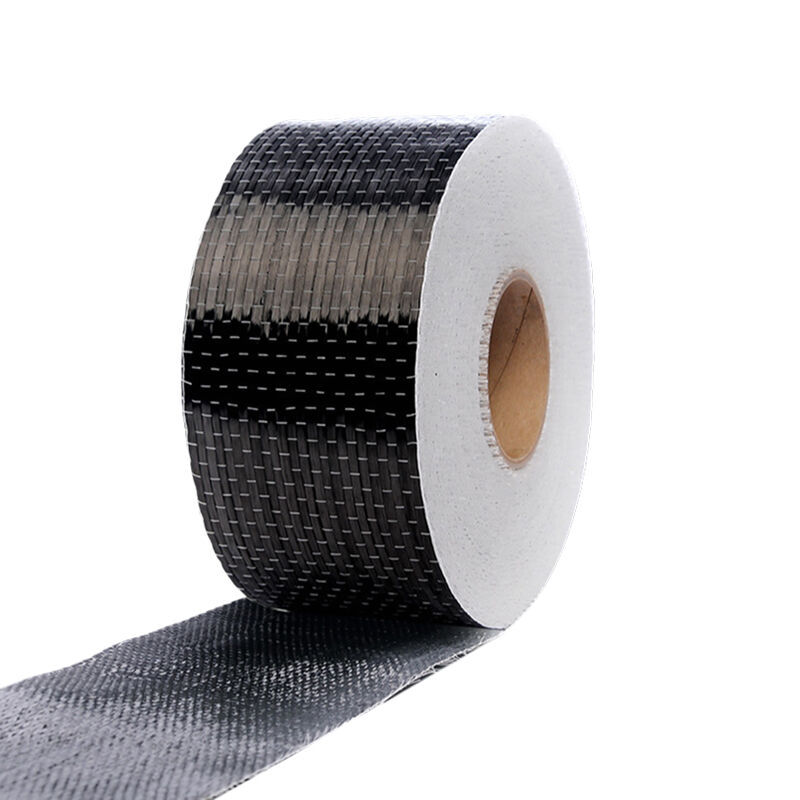
The engineering rationale behind using 300g carbon fiber cloth in heavy load scenarios is rooted in material science principles and structural engineering requirements. This weight specification indicates the mass of carbon fiber per square meter, which directly correlates to the number of carbon fiber filaments, their arrangement, and the overall structural capacity of the reinforcement system. Heavy load reinforcement applications demand materials that can withstand significant stress concentrations, distribute loads effectively, and maintain structural integrity under sustained loading conditions, making 300g carbon fiber cloth an optimal solution for these challenging requirements.
Structural Properties That Enable Heavy Load Performance
Fiber Density and Load Distribution Characteristics
The 300g specification of carbon fiber cloth provides an optimal fiber density that enables superior load distribution across reinforced structures. This weight category contains approximately 300 grams of carbon fiber per square meter, resulting in a specific fiber count that maximizes the load-bearing surface area while maintaining workability during installation. The increased fiber density compared to lighter weight options means that 300g carbon fiber cloth can effectively distribute concentrated loads over a broader area, reducing stress concentrations that could lead to structural failure.
This fiber arrangement creates multiple load paths within the reinforced structure, providing redundancy that is crucial for heavy load applications. When individual fibers experience stress, the surrounding fibers can redistribute the load, preventing localized failures that might compromise the entire reinforcement system. The 300g carbon fiber cloth configuration ensures that there are sufficient fibers to maintain structural integrity even if some individual filaments reach their stress limits.
The weave pattern of 300g carbon fiber cloth is specifically designed to optimize load transfer between perpendicular fiber directions. This bidirectional reinforcement capability is essential for heavy load applications where forces may come from multiple directions simultaneously. The cloth's ability to handle both tensile and shear forces makes it particularly valuable in complex loading scenarios common in structural reinforcement projects.
Tensile Strength and Modulus Performance
The tensile strength characteristics of 300g carbon fiber cloth provide the fundamental load-bearing capacity required for heavy duty applications. Carbon fiber's inherent tensile strength, typically ranging from 3,500 to 4,900 MPa depending on the fiber grade, is fully utilized in the 300g configuration through optimized fiber orientation and density. This high tensile strength allows the reinforcement system to carry substantial loads without experiencing material failure.
The modulus of elasticity, or stiffness, of 300g carbon fiber cloth contributes significantly to its performance in heavy load scenarios. With typical modulus values between 230 and 400 GPa, this material provides exceptional resistance to deformation under load. This high stiffness prevents excessive deflection in reinforced structures, maintaining dimensional stability and preventing secondary structural issues that could arise from excessive movement.
The stress-strain relationship of 300g carbon fiber cloth exhibits linear elastic behavior up to failure, which provides predictable performance characteristics crucial for engineering calculations. This predictability allows structural engineers to accurately model the reinforcement system's response to various loading conditions, ensuring that the 300g carbon fiber cloth will perform as expected throughout the structure's service life.
Application-Specific Advantages in Heavy Load Scenarios
Structural Beam and Column Reinforcement
In beam reinforcement applications, 300g carbon fiber cloth provides the necessary flexural strength enhancement to handle increased loading demands. The material's ability to resist tensile forces makes it particularly effective when applied to the tension face of beams, where it can significantly increase the beam's moment capacity. The 300g weight specification ensures sufficient material thickness to develop the required bond with the substrate while providing adequate reinforcement area for substantial load increases.
Column reinforcement with 300g carbon fiber cloth offers exceptional confinement effects that enhance both axial and lateral load capacity. When wrapped around columns, this material provides circumferential reinforcement that increases the column's ability to resist compression forces while preventing buckling under heavy loads. The 300g specification provides the optimal balance between material thickness and conformability, allowing for effective wrapping around complex column geometries.
The installation characteristics of 300g carbon fiber cloth make it suitable for field applications where heavy load reinforcement is required. Its manageable thickness allows for proper resin impregnation during wet lay-up applications, ensuring complete fiber wetting and optimal mechanical properties in the cured composite system. This workability is crucial for achieving the theoretical performance values in actual construction scenarios.
Bridge and Infrastructure Applications
Bridge reinforcement projects frequently utilize 300g carbon fiber cloth because of its ability to handle the dynamic and static loads characteristic of transportation infrastructure. The material's fatigue resistance properties make it suitable for applications where repeated loading cycles are expected, such as bridge decks and girders that experience constant traffic loads. The 300g specification provides sufficient material to resist crack propagation and maintain structural integrity under these demanding conditions.
The environmental durability of 300g carbon fiber cloth makes it particularly valuable for infrastructure applications where long-term performance is essential. Unlike traditional reinforcement materials, carbon fiber does not corrode, eliminating concerns about degradation due to moisture, salt exposure, or chemical attack. This durability ensures that heavy load capacity is maintained throughout the structure's design life without the need for frequent maintenance or replacement.
Installation efficiency in infrastructure projects benefits from the 300g carbon fiber cloth specification because it provides substantial reinforcement with relatively few layers. This efficiency reduces installation time and labor costs while minimizing disruption to traffic or facility operations. The ability to achieve significant strength gains with minimal material thickness is particularly advantageous in retrofit applications where space constraints limit reinforcement options.
Engineering Benefits and Performance Optimization
Load Transfer Mechanisms and Efficiency
The load transfer efficiency of 300g carbon fiber cloth depends on the bond interface between the reinforcement material and the substrate structure. The 300g specification provides an optimal surface area for adhesive bonding while maintaining sufficient thickness to develop the required bond strength. This balance ensures that applied loads are effectively transferred from the existing structure to the carbon fiber reinforcement system without premature bond failure.
Shear lag effects, which can reduce the effectiveness of external reinforcement systems, are minimized with 300g carbon fiber cloth due to its moderate thickness and high stiffness. The material's ability to maintain uniform stress distribution across its width prevents the concentration of stresses at the edges that could lead to debonding. This uniform load distribution is essential for achieving the full potential of the reinforcement system in heavy load applications.
The anchorage requirements for 300g carbon fiber cloth are manageable while still providing effective load transfer. The development length needed to fully utilize the material's strength is reasonable for most structural applications, allowing for effective reinforcement without requiring extensive substrate preparation or complex anchorage details. This practical advantage makes 300g carbon fiber cloth suitable for a wide range of heavy load reinforcement scenarios.
Compatibility with Existing Structural Systems
The thermal expansion characteristics of 300g carbon fiber cloth closely match those of concrete and steel, ensuring compatibility with existing structural materials. This thermal compatibility prevents the development of thermal stresses that could compromise the reinforcement system's effectiveness or cause damage to the substrate structure. In heavy load applications where thermal cycling may occur, this compatibility is crucial for maintaining long-term performance.
The low profile nature of 300g carbon fiber cloth reinforcement systems allows for integration with existing structures without significant modification to architectural or functional requirements. This characteristic is particularly important in heavy load applications where space constraints or aesthetic considerations limit reinforcement options. The ability to add substantial load capacity with minimal visual impact makes this material attractive for various applications.
Structural compatibility extends to the material's ability to work in conjunction with existing reinforcement systems. The 300g carbon fiber cloth can complement traditional steel reinforcement, providing additional capacity without interfering with the existing load paths. This compatibility allows for phased reinforcement approaches where additional capacity can be added as loading requirements increase over time.
Performance Validation and Design Considerations
Testing and Quality Assurance Protocols
The performance verification of 300g carbon fiber cloth in heavy load applications relies on comprehensive testing protocols that evaluate both material properties and system performance. Tensile testing of the dry fabric and cured composite provides baseline mechanical properties that engineers use for design calculations. The 300g specification ensures consistent material properties that can be reliably incorporated into structural analysis and design procedures.
Bond testing between 300g carbon fiber cloth and various substrate materials provides critical data for determining allowable design stresses and development lengths. These tests simulate the actual loading conditions that the reinforcement system will experience, providing confidence that the theoretical performance will be achieved in practice. The robust nature of the 300g specification typically results in consistent bond performance across different installation conditions.
Long-term performance validation through accelerated aging tests demonstrates the durability of 300g carbon fiber cloth reinforcement systems under sustained loading conditions. These tests subject the material to elevated temperatures, humidity, and stress levels to simulate decades of service life in compressed time periods. The results confirm that the material maintains its load-bearing capacity throughout the expected service life of the reinforced structure.
Design Implementation and Safety Factors
The design implementation of 300g carbon fiber cloth in heavy load applications requires careful consideration of safety factors and limit states. The material's brittle failure mode necessitates conservative design approaches that prevent sudden failure without warning. Design codes typically require safety factors that ensure the reinforcement system operates well below its ultimate capacity, providing adequate reserve capacity for unexpected loading conditions.
Serviceability considerations for 300g carbon fiber cloth reinforcement include crack control and deflection limits that may govern the design rather than ultimate strength requirements. The high stiffness of the material helps control deflections and crack widths, but designers must verify that these serviceability requirements are satisfied under working load conditions. This analysis ensures that the reinforced structure performs satisfactorily under normal operating conditions.
The design flexibility offered by 300g carbon fiber cloth allows engineers to optimize reinforcement layouts for specific loading conditions and structural geometries. The material can be oriented to match principal stress directions, providing maximum efficiency in resisting applied loads. This design flexibility is particularly valuable in complex heavy load scenarios where traditional reinforcement methods may not be feasible or efficient.
FAQ
What makes 300g carbon fiber cloth more suitable for heavy loads than lighter weight options?
The 300g specification provides higher fiber density per unit area, which translates to greater load-bearing capacity and better stress distribution. This increased material content allows for handling higher stress levels while maintaining structural integrity, making it more effective for heavy load applications compared to 200g or lighter alternatives that may not provide sufficient reinforcement for demanding scenarios.
How does 300g carbon fiber cloth compare to steel reinforcement for heavy load applications?
While steel provides good load capacity, 300g carbon fiber cloth offers superior strength-to-weight ratio, corrosion resistance, and installation flexibility. The carbon fiber material can achieve comparable or superior load capacity with significantly less weight and without the corrosion concerns that affect steel in harsh environments, making it particularly advantageous for infrastructure and marine applications.
What installation considerations are specific to using 300g carbon fiber cloth in heavy load scenarios?
Heavy load applications require careful attention to surface preparation, primer selection, and resin impregnation to ensure proper bond development. The 300g specification requires adequate resin penetration through the thicker fabric, proper fiber wetting, and sufficient cure time under load. Quality control during installation becomes critical as the higher loads place greater demands on the bond interface and material performance.
Can 300g carbon fiber cloth be used for both static and dynamic heavy load applications?
Yes, 300g carbon fiber cloth is suitable for both static and dynamic heavy load conditions due to its excellent fatigue resistance and consistent mechanical properties. The material maintains its performance under repeated loading cycles common in bridges, machinery foundations, and seismic applications, providing reliable reinforcement for structures experiencing various types of heavy loading conditions throughout their service life.
Table of Contents
- Structural Properties That Enable Heavy Load Performance
- Application-Specific Advantages in Heavy Load Scenarios
- Engineering Benefits and Performance Optimization
- Performance Validation and Design Considerations
-
FAQ
- What makes 300g carbon fiber cloth more suitable for heavy loads than lighter weight options?
- How does 300g carbon fiber cloth compare to steel reinforcement for heavy load applications?
- What installation considerations are specific to using 300g carbon fiber cloth in heavy load scenarios?
- Can 300g carbon fiber cloth be used for both static and dynamic heavy load applications?