 EN
EN
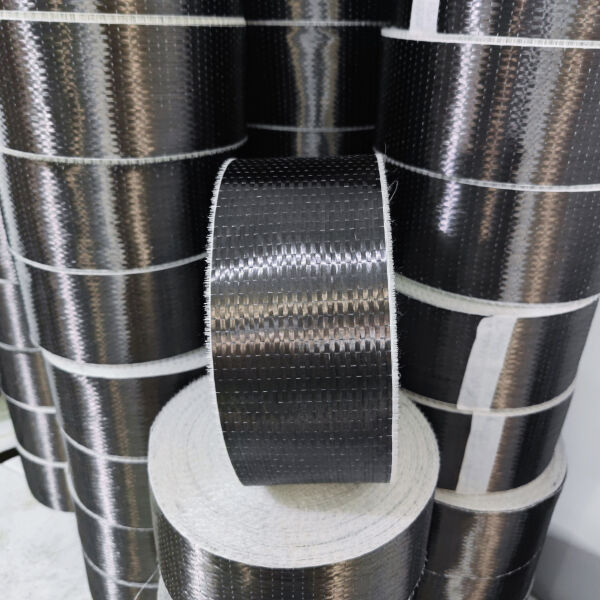
Carbon fiber materials have revolutionized manufacturing across aerospace, automotive, marine, and construction industries due to their exceptional strength-to-weight ratio and versatility. Among the various specifications available, 300g carbon fiber cloth stands out as a premium material that combines durability with remarkable flexibility, making it suitable for complex applications requiring both structural integrity and adaptability. This specific weight classification represents an optimal balance between material thickness and workability, offering engineers and manufacturers a reliable solution for demanding projects. Understanding the characteristics and performance capabilities of this material is essential for professionals seeking to maximize project outcomes while maintaining cost-effectiveness. The unique properties of carbon fiber cloth in this weight category make it particularly valuable for applications where traditional materials fall short of performance requirements.
Material Composition and Manufacturing Standards
Carbon Fiber Weave Patterns
The manufacturing process of 300g carbon fiber cloth involves precise weaving techniques that determine both strength characteristics and flexibility performance. Plain weave patterns are commonly employed for this weight specification, creating a balanced fabric structure that distributes stress evenly across the material surface. The weaving process locks individual carbon fiber strands together in a crosshatch pattern, ensuring consistent material properties throughout the entire cloth width and length. This methodical approach to fabric construction results in predictable mechanical properties that engineers can rely upon for critical applications. Advanced manufacturing facilities utilize computer-controlled looms to maintain precise tension and alignment during the weaving process.
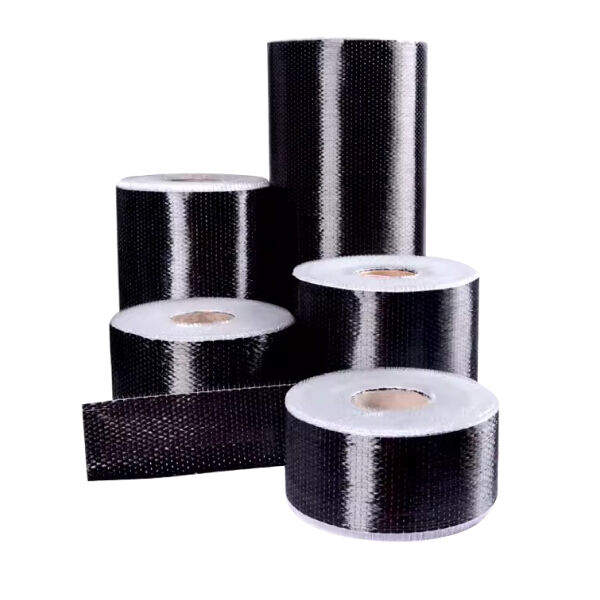
Quality control measures during production ensure that each batch of 300g carbon fiber cloth meets stringent industry standards for consistency and performance. The carbon fiber strands undergo thorough inspection before weaving, with diameter measurements and tensile strength testing conducted on representative samples. Manufacturing environments maintain controlled temperature and humidity conditions to prevent contamination and ensure optimal fiber handling during the weaving process. Post-production testing includes fabric weight verification, thickness measurements, and visual inspection for defects or irregularities that could compromise performance in final applications.
Surface Treatment and Compatibility
Surface treatments applied to 300g carbon fiber cloth significantly impact its compatibility with various resin systems and bonding applications. Standard surface treatments remove sizing agents applied during fiber production while introducing functional groups that enhance chemical bonding with epoxy, polyester, and vinyl ester resin systems. These treatments create optimal conditions for resin impregnation and curing, ensuring maximum composite strength development during the lamination process. The surface energy characteristics of treated carbon fiber cloth promote consistent wetting and minimize void formation in finished composite parts.
Compatibility testing between different resin systems and treated carbon fiber cloth reveals important performance variations that influence material selection decisions. Epoxy resin systems typically provide the strongest mechanical properties when combined with properly treated carbon fiber cloth, while polyester resins offer cost advantages for less critical applications. Understanding these compatibility relationships allows manufacturers to optimize material combinations for specific performance requirements and budget constraints. Surface treatment selection also affects long-term durability and environmental resistance of finished composite structures.
Durability Characteristics and Testing Methods
Tensile Strength Performance
Tensile strength testing of 300g carbon fiber cloth demonstrates exceptional performance characteristics that exceed those of traditional reinforcement materials by significant margins. Standard test procedures following ASTM D3039 protocols reveal ultimate tensile strengths ranging from 3500 to 4000 MPa for high-quality carbon fiber cloth in this weight category. These strength values represent the maximum stress the material can withstand before failure occurs, providing engineers with critical design parameters for structural applications. The consistent performance across multiple test specimens indicates reliable manufacturing quality and predictable behavior under load conditions.
Fatigue testing protocols evaluate the long-term durability of 300g carbon fiber cloth under repeated loading cycles that simulate real-world operating conditions. Test results demonstrate superior fatigue resistance compared to fiberglass and other composite reinforcement materials, with carbon fiber cloth maintaining over 90% of its original strength after millions of load cycles. This exceptional fatigue performance makes carbon fiber cloth particularly suitable for applications involving dynamic loading such as wind turbine blades, aerospace structures, and high-performance automotive components. The material's ability to resist crack propagation and maintain structural integrity under cyclic loading conditions provides significant safety margins for critical applications.
Environmental Resistance Properties
Environmental resistance testing reveals that 300g carbon fiber cloth maintains its structural properties across a wide range of temperature and humidity conditions. Accelerated aging tests conducted at elevated temperatures and humidity levels demonstrate minimal degradation in mechanical properties over extended exposure periods. The carbon fiber structure exhibits excellent chemical inertness, resisting attack from most acids, bases, and organic solvents commonly encountered in industrial environments. This chemical resistance makes carbon fiber cloth suitable for applications in harsh chemical processing environments where other materials would quickly deteriorate.
Ultraviolet radiation exposure testing shows that while pure carbon fiber exhibits excellent UV resistance, the surface appearance may change slightly over time when exposed to direct sunlight. However, mechanical properties remain largely unaffected by UV exposure, ensuring long-term structural performance in outdoor applications. Thermal cycling tests demonstrate that 300g carbon fiber cloth maintains dimensional stability and strength characteristics across temperature ranges from -40°C to 150°C, making it suitable for applications with significant temperature variations. The low coefficient of thermal expansion minimizes stress development in composite structures subjected to temperature fluctuations.
Flexibility and Drapeability Analysis
Bending Radius Capabilities
The flexibility characteristics of 300g carbon fiber cloth enable complex forming operations that would be impossible with heavier or stiffer reinforcement materials. Minimum bending radius testing determines that this material can conform to curves with radii as small as 2-3 times the fabric thickness without fiber breakage or delamination. This exceptional drapeability allows manufacturers to create complex three-dimensional shapes through hand lay-up, vacuum bagging, or resin transfer molding processes. The ability to conform to tight radii expands the range of possible applications and reduces the need for multiple fabric pieces to cover complex geometries.
Comparative flexibility testing between different weight specifications of carbon fiber cloth reveals that 300g material offers an optimal balance between conformability and structural performance. Lighter weight fabrics may offer superior drapeability but sacrifice some mechanical properties, while heavier materials provide increased strength but reduced flexibility for complex forming operations. The moderate thickness of 300g carbon fiber cloth allows sufficient fiber mobility during forming while maintaining adequate fiber density for structural applications. This balance makes it particularly valuable for applications requiring both complex geometries and high performance characteristics.
Formability in Manufacturing Processes
Manufacturing process compatibility testing demonstrates that 300g carbon fiber cloth adapts well to various composite fabrication techniques including wet lay-up, prepreg molding, and vacuum-assisted resin transfer molding. The material's flexibility allows complete fabric conformance to complex mold surfaces while maintaining consistent fiber orientation and avoiding wrinkles or bridging that could create weak areas in finished parts. Resin flow characteristics during infusion processes benefit from the fabric's porosity and fiber architecture, ensuring complete wet-out and minimal void content in cured laminates.
Processing parameter optimization for 300g carbon fiber cloth involves careful consideration of temperature, pressure, and timing factors during fabrication. The material responds well to moderate heating during forming operations, which increases flexibility and reduces the risk of fiber damage during complex shaping procedures. Vacuum pressure application must be controlled to avoid excessive fiber compaction while ensuring complete resin impregnation throughout the fabric thickness. Understanding these processing relationships allows manufacturers to achieve optimal part quality while minimizing cycle times and material waste during production operations.
Industrial Applications and Performance Benefits
Aerospace and Aviation Uses
The aerospace industry has embraced 300g carbon fiber cloth for various structural and non-structural applications where weight reduction and performance enhancement are critical factors. Aircraft interior panels, fairings, and secondary structural components benefit from the material's excellent strength-to-weight ratio and ability to be formed into complex shapes required for aerodynamic efficiency. The consistent mechanical properties and quality standards required for aerospace applications make high-grade carbon fiber cloth an essential material for meeting strict certification requirements. Manufacturing processes used in aerospace applications take advantage of the material's flexibility to create seamless compound curves and complex geometries without joints or fasteners that could create stress concentrations.
Composite repair applications in aviation utilize 300g carbon fiber cloth for structural patches and reinforcement of damaged aircraft components. The material's compatibility with aerospace-approved resin systems ensures that repairs meet original equipment manufacturer specifications for strength and durability. Field repair procedures benefit from the fabric's flexibility, allowing technicians to apply reinforcement patches to curved surfaces and confined areas where rigid materials would be impractical. The proven track record of carbon fiber cloth in critical aerospace applications demonstrates its reliability and performance consistency under demanding operating conditions.
Marine and Offshore Applications
Marine applications of 300g carbon fiber cloth take advantage of its corrosion resistance and structural performance in harsh saltwater environments. High-performance sailing vessels utilize carbon fiber reinforcement for masts, hulls, and deck structures where weight reduction directly translates to improved performance and speed. The material's resistance to osmotic blistering and delamination in marine environments makes it superior to traditional fiberglass reinforcement for long-term durability. Manufacturing techniques for marine applications often involve complex curved surfaces where the fabric's drapeability enables complete coverage without excess material or potential weak points.
Offshore wind energy applications represent a growing market for 300g carbon fiber cloth in turbine blade manufacturing and repair operations. The material's fatigue resistance and environmental durability make it ideal for components subjected to millions of load cycles in aggressive marine environments. Blade tip reinforcement and spar cap applications benefit from the high modulus characteristics of carbon fiber cloth, providing the stiffness required for optimal aerodynamic performance while minimizing weight penalties. The flexibility of the material during manufacturing enables the complex twisted geometries required for modern wind turbine blade designs.
Comparison with Alternative Materials
Performance Against Fiberglass Reinforcement
Direct performance comparisons between 300g carbon fiber cloth and equivalent weight fiberglass reinforcement reveal significant advantages in multiple performance categories. Carbon fiber cloth demonstrates approximately five times higher tensile strength and double the modulus of elasticity compared to E-glass fabric of similar weight. This strength advantage allows designers to reduce material thickness while maintaining or improving structural performance, resulting in lighter and more efficient composite structures. The superior fatigue resistance of carbon fiber cloth provides longer service life and reduced maintenance requirements compared to fiberglass alternatives in cyclic loading applications.
Cost considerations often favor fiberglass materials in price-sensitive applications, but lifecycle cost analysis frequently reveals that carbon fiber cloth provides better value through improved performance and durability. The reduced material quantity required to achieve equivalent strength levels can partially offset the higher raw material cost of carbon fiber cloth. Manufacturing efficiency improvements achieved through better drapeability and processing characteristics of carbon fiber cloth contribute to overall cost reductions in complex fabrication operations. The dimensional stability and low thermal expansion of carbon fiber cloth reduce thermal stress development compared to fiberglass composites in temperature-varying applications.
Advantages Over Metal Alternatives
Weight reduction comparisons between carbon fiber cloth composites and traditional metal structures reveal potential savings of 30-50% while maintaining equivalent or superior strength characteristics. Aluminum and steel alternatives require additional thickness and reinforcement to achieve the same load-carrying capacity provided by properly designed carbon fiber composite structures. The corrosion resistance of 300g carbon fiber cloth eliminates the need for protective coatings and surface treatments required for metal components in corrosive environments. This corrosion immunity reduces long-term maintenance costs and extends service life compared to metal alternatives.
Manufacturing flexibility advantages of carbon fiber cloth enable the creation of complex shapes and integrated features that would require multiple machining operations or assembly steps with metal components. The ability to form compound curves and varying thickness profiles in single manufacturing operations reduces part count and eliminates potential failure points associated with mechanical fasteners. Design optimization opportunities with carbon fiber cloth allow engineers to tailor fiber orientations and layer sequences to match specific loading conditions, achieving performance levels that would be impossible with isotropic metal materials.
Quality Control and Selection Criteria
Testing Standards and Certifications
Quality assurance for 300g carbon fiber cloth involves comprehensive testing protocols that verify material properties and manufacturing consistency. Standard test methods including ASTM D3039 for tensile properties, ASTM D790 for flexural characteristics, and ISO 527 for mechanical property determination provide standardized evaluation criteria for material comparison and specification compliance. Aerospace applications require additional certification testing following standards such as ASTM D2344 for short-beam strength and ASTM D6641 for compression properties to ensure compliance with stringent performance requirements.
Certificate of analysis documentation accompanies quality carbon fiber cloth shipments, providing detailed test results and material traceability information for critical applications. Statistical process control methods during manufacturing ensure that material properties remain within specified tolerances across production runs. Third-party testing verification provides additional assurance for applications where material performance directly affects safety or regulatory compliance requirements. The documentation trail established through proper quality control procedures enables root cause analysis and corrective action implementation when performance issues arise in field applications.
Supplier Evaluation and Selection
Supplier qualification for 300g carbon fiber cloth involves evaluation of manufacturing capabilities, quality systems, and technical support resources to ensure consistent material supply and performance. Manufacturing facility audits assess production equipment, environmental controls, and quality management systems to verify capability for producing materials meeting specification requirements. Technical support capabilities including application engineering and troubleshooting assistance add significant value for complex applications requiring material customization or processing optimization. Supplier financial stability and supply chain resilience become increasingly important factors for long-term project success and material availability assurance.
Material specification development should include detailed requirements for fiber type, weave pattern, surface treatment, and packaging to ensure consistency across multiple suppliers and production lots. Sample evaluation programs allow comparison of materials from different suppliers under identical test conditions to identify performance differences and optimize material selection decisions. Long-term supplier relationships benefit from collaborative development efforts that can lead to material improvements and cost reductions through economies of scale and process optimization initiatives.
FAQ
What factors determine the durability of 300g carbon fiber cloth in outdoor applications
The durability of 300g carbon fiber cloth in outdoor applications depends primarily on the resin system used for lamination, UV protection measures, and environmental exposure conditions. While carbon fiber itself exhibits excellent resistance to environmental degradation, the matrix resin system can be vulnerable to UV radiation and thermal cycling. Proper surface protection through UV-resistant gel coats or topcoats significantly extends service life in direct sunlight exposure. Temperature cycling effects are minimized due to the low thermal expansion coefficient of carbon fiber, but repeated freeze-thaw cycles may affect the resin matrix in some applications.
How does the flexibility of 300g carbon fiber cloth compare to heavier weight specifications
The flexibility of 300g carbon fiber cloth provides superior drapeability compared to heavier weight specifications such as 400g or 600g materials, making it easier to conform to complex curved surfaces during manufacturing. The reduced fabric thickness allows greater fiber mobility and tighter bending radii without fiber breakage or wrinkling. However, this increased flexibility comes with some reduction in interlaminar shear strength compared to heavier fabrics, requiring careful consideration in applications with high through-thickness loading. The optimal balance between flexibility and performance makes 300g specification particularly suitable for complex geometries requiring both conformability and structural integrity.
Can 300g carbon fiber cloth be used for high-temperature applications
The use of 300g carbon fiber cloth in high-temperature applications depends on the resin system selection rather than the fabric itself, as carbon fiber maintains its properties at temperatures well above most resin capabilities. Standard epoxy resin systems typically limit operating temperatures to 120-180°C, while specialized high-temperature resins such as polyimides or bismaleimides can extend service temperatures to 200-300°C or higher. The carbon fiber cloth provides excellent thermal stability and dimensional control at elevated temperatures, making it suitable for applications such as exhaust components, heat shields, and industrial equipment operating in high-temperature environments.
What quality indicators should be considered when evaluating 300g carbon fiber cloth suppliers
Key quality indicators for evaluating 300g carbon fiber cloth suppliers include consistent fabric weight tolerance typically within ±5%, uniform thickness measurements across the fabric width, and absence of visual defects such as broken filaments, contamination, or weave irregularities. Technical documentation should include complete test certificates showing tensile strength, modulus values, and surface treatment verification. Manufacturing traceability systems that can identify raw material sources and production parameters provide additional assurance for critical applications. Supplier quality management system certification such as ISO 9001 or AS9100 for aerospace applications demonstrates commitment to consistent quality control procedures.
Table of Contents
- Material Composition and Manufacturing Standards
- Durability Characteristics and Testing Methods
- Flexibility and Drapeability Analysis
- Industrial Applications and Performance Benefits
- Comparison with Alternative Materials
- Quality Control and Selection Criteria
-
FAQ
- What factors determine the durability of 300g carbon fiber cloth in outdoor applications
- How does the flexibility of 300g carbon fiber cloth compare to heavier weight specifications
- Can 300g carbon fiber cloth be used for high-temperature applications
- What quality indicators should be considered when evaluating 300g carbon fiber cloth suppliers