
 EN
EN
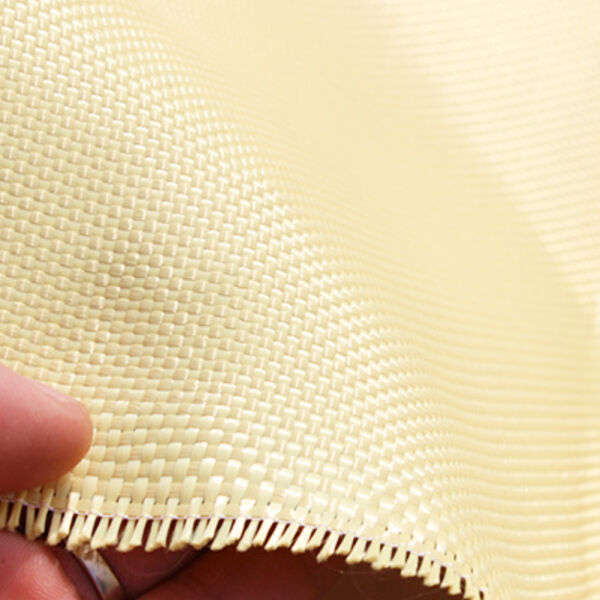
The aerospace industry continues to evolve rapidly, driven by demands for lighter, stronger, and more efficient materials. Among the most promising solutions gaining significant traction is aramid fiber cloth, a revolutionary composite material that offers exceptional strength-to-weight ratios and thermal resistance. As manufacturers push the boundaries of aircraft design and performance, aramid fiber cloth has emerged as a critical component in next-generation aerospace applications, transforming how engineers approach structural integrity and weight optimization.
Transformative Properties Driving Aerospace Innovation
Exceptional Strength Characteristics
Aramid fiber cloth demonstrates remarkable tensile strength properties that significantly exceed traditional aerospace materials. This advanced composite material exhibits strength levels five times greater than steel while maintaining a fraction of the weight. The molecular structure of aramid fibers creates an interconnected network that distributes stress loads efficiently across the entire fabric surface. These characteristics make aramid fiber cloth particularly valuable in applications where structural integrity cannot be compromised.
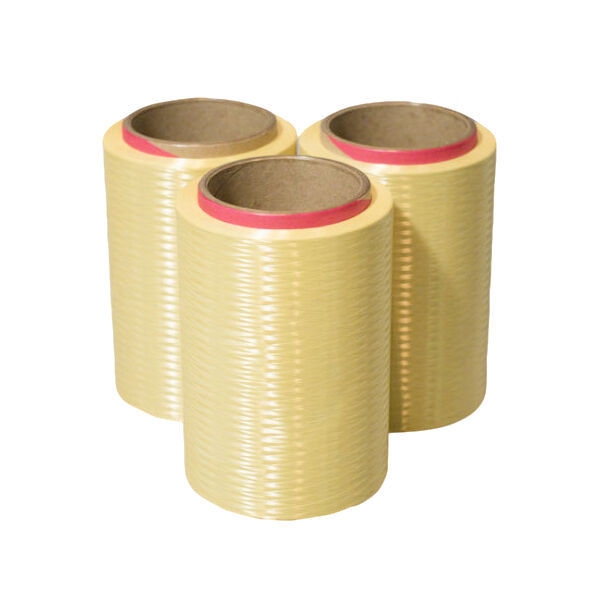
The high modulus properties of aramid fiber cloth enable aerospace engineers to design components with reduced thickness while maintaining required performance standards. This material demonstrates excellent fatigue resistance, crucial for aircraft components subjected to repeated stress cycles during flight operations. The consistent performance of aramid fiber cloth under varying load conditions ensures long-term reliability in critical aerospace applications where failure is not an option.
Thermal Stability and Fire Resistance
Temperature extremes present significant challenges in aerospace environments, making the thermal properties of aramid fiber cloth particularly valuable. This material maintains structural integrity across wide temperature ranges, from cryogenic conditions encountered at high altitudes to elevated temperatures near engine components. The inherent flame resistance of aramid fiber cloth provides crucial safety margins in aerospace applications where fire protection is paramount.
Unlike many synthetic materials, aramid fiber cloth does not melt under extreme heat conditions, instead forming a protective char layer that enhances fire resistance. This characteristic proves essential in spacecraft applications where thermal protection systems must withstand extreme temperature variations. The dimensional stability of aramid fiber cloth under thermal stress ensures consistent performance throughout the operational lifecycle of aerospace components.
Current Applications Revolutionizing Aircraft Design
Primary Structural Components
Modern aircraft manufacturers increasingly incorporate aramid fiber cloth into primary structural elements, including fuselage sections, wing components, and control surfaces. The material's ability to maintain strength under dynamic loading conditions makes it ideal for areas experiencing high stress concentrations. Composite panels constructed with aramid fiber cloth provide excellent impact resistance while reducing overall aircraft weight significantly compared to traditional aluminum structures.
The integration of aramid fiber cloth in aircraft frames enables designers to achieve complex geometries that would be impossible with conventional materials. This flexibility allows for aerodynamically optimized shapes that improve fuel efficiency and performance. The consistent quality of aramid fiber cloth ensures predictable manufacturing outcomes, reducing production variability and improving quality control in aerospace manufacturing processes.
Protection Systems and Ballistic Applications
Military and civilian aircraft benefit from the ballistic protection capabilities of aramid fiber cloth in various defensive applications. The material's energy absorption characteristics make it effective in protecting critical systems from debris impact and potential threats. Layered configurations of aramid fiber cloth create lightweight armor solutions that provide essential protection without compromising aircraft performance or maneuverability.
The versatility of aramid fiber cloth extends to protecting sensitive electronic systems and fuel tanks from impact damage. Its non-conductive properties prevent electromagnetic interference while providing physical protection. The chemical resistance of aramid fiber cloth ensures long-term durability in environments where exposure to hydraulic fluids, fuel, and other aircraft chemicals is inevitable.
Advanced Manufacturing Techniques and Innovations
Automated Fiber Placement Technology
Revolutionary automated fiber placement systems have transformed how manufacturers utilize aramid fiber cloth in aerospace production. These advanced systems enable precise positioning of individual fiber tows, creating optimized load paths that maximize the strength properties of aramid fiber cloth. The automated process reduces material waste while ensuring consistent fiber orientation and density throughout complex aerospace components.
Computer-controlled placement systems can create intricate patterns with aramid fiber cloth that follow stress flow lines in aerospace structures. This optimization results in components that are both lighter and stronger than those produced using traditional manufacturing methods. The repeatability of automated systems ensures that each component meets exact specifications, critical for aerospace applications where tolerances are extremely tight.
Hybrid Composite Strategies
Innovative manufacturers are combining aramid fiber cloth with carbon fiber and glass fiber materials to create hybrid composites with tailored properties. These strategic combinations leverage the specific advantages of aramid fiber cloth, such as impact resistance and toughness, while incorporating the stiffness of carbon fiber where needed. The resulting hybrid structures optimize performance characteristics for specific aerospace applications.
The development of interwoven aramid fiber cloth configurations with other high-performance fibers creates materials with enhanced multidirectional properties. These hybrid approaches enable engineers to fine-tune material properties for specific load cases and environmental conditions. The flexibility in design provided by hybrid aramid fiber cloth composites opens new possibilities for innovative aerospace component designs.
Future Technological Developments and Applications
Next-Generation Spacecraft Systems
The expanding commercial space industry presents unprecedented opportunities for aramid fiber cloth applications in spacecraft design. The material's radiation resistance and thermal stability make it particularly suitable for long-duration space missions where traditional materials may degrade over time. Future spacecraft designs will likely incorporate aramid fiber cloth in critical systems requiring both lightweight construction and exceptional durability.
Reusable launch vehicles benefit significantly from the fatigue resistance and thermal properties of aramid fiber cloth. The ability to withstand multiple heating and cooling cycles makes this material ideal for components that must perform reliably through numerous launches. The cost-effectiveness of using aramid fiber cloth in reusable systems could substantially reduce space access costs while improving safety margins.
Urban Air Mobility Solutions
The emerging urban air mobility market represents a significant growth opportunity for aramid fiber cloth applications. Electric vertical takeoff and landing aircraft require materials that provide maximum strength with minimal weight to optimize battery performance and flight range. The unique properties of aramid fiber cloth make it an ideal choice for these next-generation aircraft designs.
Autonomous aircraft systems demand materials with predictable failure modes and excellent damage tolerance, characteristics where aramid fiber cloth excels. The ability to detect and contain damage progression in aramid fiber cloth composites enhances safety in unmanned aerial systems. Future regulations for urban air mobility will likely favor materials like aramid fiber cloth that demonstrate superior safety characteristics.
Market Trends and Industry Growth Projections
Global Demand Expansion
Market analysis indicates substantial growth in demand for aramid fiber cloth across all aerospace sectors over the next decade. The increasing focus on fuel efficiency and environmental sustainability drives manufacturers toward lightweight materials that reduce emissions and operating costs. This trend positions aramid fiber cloth as a strategic material for aerospace companies seeking competitive advantages in efficiency and performance.
Emerging markets in Asia and Latin America are expanding their aerospace manufacturing capabilities, creating new opportunities for aramid fiber cloth suppliers. The global supply chain for aerospace-grade aramid fiber cloth continues to develop, with new production facilities coming online to meet increasing demand. Investment in manufacturing technology and quality systems ensures that supply can meet the stringent requirements of aerospace applications.
Research and Development Investments
Significant research investments focus on enhancing the properties and processing capabilities of aramid fiber cloth for aerospace applications. Universities and industry partners collaborate on projects aimed at improving the interfacial bonding between aramid fibers and matrix materials. These research efforts promise to unlock even greater potential for aramid fiber cloth in future aerospace applications.
Advanced characterization techniques provide deeper understanding of how aramid fiber cloth behaves under complex loading conditions typical in aerospace environments. This knowledge enables the development of more accurate design models and optimization strategies. The ongoing research ensures that aramid fiber cloth will continue to evolve and improve, maintaining its relevance in future aerospace innovations.
Environmental Sustainability and Lifecycle Benefits
Reduced Environmental Impact
The lightweight nature of aramid fiber cloth contributes significantly to reducing fuel consumption and emissions in aerospace applications. Aircraft constructed with aramid fiber cloth components consume less fuel throughout their operational lifecycle, resulting in lower carbon footprints. This environmental benefit aligns with industry goals for sustainable aviation and regulatory requirements for emissions reduction.
Manufacturing processes for aramid fiber cloth continue to improve in terms of energy efficiency and waste reduction. Recycling technologies for aramid fiber cloth are advancing, enabling recovery and reuse of materials at the end of component lifecycles. The durability and long service life of aramid fiber cloth components reduce the frequency of replacement, further minimizing environmental impact.
Lifecycle Cost Advantages
The exceptional durability of aramid fiber cloth translates to extended service intervals and reduced maintenance requirements in aerospace applications. Components made with aramid fiber cloth often exceed design life expectations, providing significant cost savings over the aircraft's operational period. The predictable aging characteristics of aramid fiber cloth enable more accurate lifecycle cost modeling and maintenance planning.
Total cost of ownership calculations increasingly favor aramid fiber cloth solutions despite higher initial material costs. The reduced weight penalties and improved performance characteristics generate operational savings that offset upfront investments. Insurance companies recognize the safety benefits of aramid fiber cloth, potentially offering preferential rates for aircraft utilizing these advanced materials.
FAQ
What makes aramid fiber cloth superior to traditional aerospace materials
Aramid fiber cloth offers exceptional strength-to-weight ratios that surpass aluminum and steel while providing superior impact resistance and thermal stability. Its unique molecular structure creates materials that are five times stronger than steel at a fraction of the weight, making it ideal for aerospace applications where every pound matters. The material also demonstrates excellent fatigue resistance and maintains performance under extreme temperature variations common in aerospace environments.
How does aramid fiber cloth contribute to aircraft safety
The inherent flame resistance and energy absorption capabilities of aramid fiber cloth significantly enhance aircraft safety systems. Unlike many materials, it does not melt under extreme heat conditions, instead forming protective char layers that prevent fire spread. The material's excellent damage tolerance allows for progressive failure modes that provide warning before catastrophic failure, giving pilots and systems time to respond to emergency situations.
What are the cost implications of using aramid fiber cloth in aerospace manufacturing
While aramid fiber cloth requires higher initial material investment compared to traditional aerospace materials, the total lifecycle costs are often lower due to reduced fuel consumption, extended service life, and decreased maintenance requirements. The weight savings achieved with aramid fiber cloth result in significant fuel cost reductions over the aircraft's operational lifetime. Additionally, the durability and reliability of aramid fiber cloth components reduce replacement frequency and associated downtime costs.
How will future regulations impact aramid fiber cloth adoption in aerospace
Increasingly stringent environmental regulations and safety standards are driving greater adoption of aramid fiber cloth in aerospace applications. New emissions requirements favor lightweight materials that improve fuel efficiency, positioning aramid fiber cloth as a preferred solution. Safety regulations continue to evolve toward materials with superior fire resistance and impact protection, characteristics where aramid fiber cloth excels compared to traditional aerospace materials.
Table of Contents
- Transformative Properties Driving Aerospace Innovation
- Current Applications Revolutionizing Aircraft Design
- Advanced Manufacturing Techniques and Innovations
- Future Technological Developments and Applications
- Market Trends and Industry Growth Projections
- Environmental Sustainability and Lifecycle Benefits
- FAQ