 EN
EN
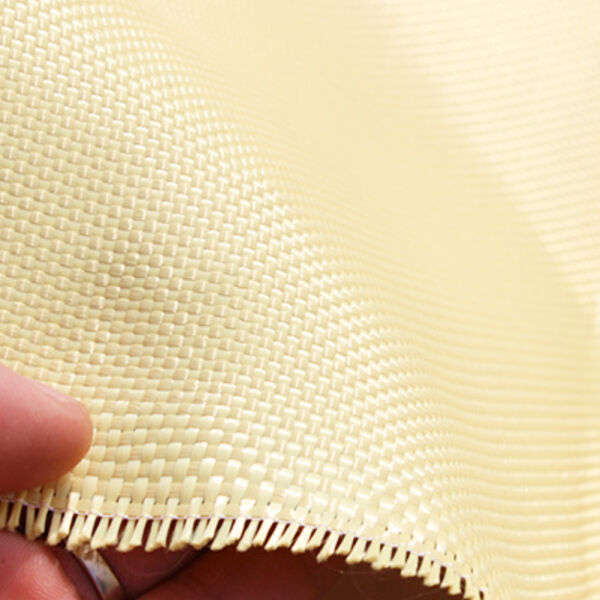
Industrial applications demand materials that can withstand extreme conditions while maintaining structural integrity over extended periods. Aramid Fiber Fabric has emerged as a critical solution for industries requiring exceptional durability, heat resistance, and mechanical strength. Understanding the long-term performance characteristics of this advanced material helps engineers and manufacturers make informed decisions for their most demanding applications. From aerospace components to protective equipment, the longevity of aramid fiber materials directly impacts safety, cost-effectiveness, and operational efficiency across various sectors.
Material Composition and Structural Properties
Chemical Structure and Molecular Design
The exceptional durability of Aramid Fiber Fabric stems from its unique aromatic polyamide molecular structure. These long-chain synthetic polymers feature rigid aromatic rings connected by amide linkages, creating a highly ordered crystalline structure. This molecular arrangement provides inherent resistance to thermal degradation, chemical attack, and mechanical stress. The para-aramid configuration, commonly found in high-performance applications, exhibits superior tensile strength and thermal stability compared to conventional synthetic fibers.
Manufacturing processes for aramid fibers involve sophisticated spinning techniques that align polymer chains to maximize strength properties. The resulting fiber structure demonstrates remarkable consistency in diameter and density, contributing to predictable long-term performance characteristics. Quality control measures during production ensure that each batch meets stringent specifications for tensile strength, elongation, and thermal resistance. These manufacturing standards directly correlate with the material's ability to maintain properties over extended service periods.
Fiber Architecture and Weave Patterns
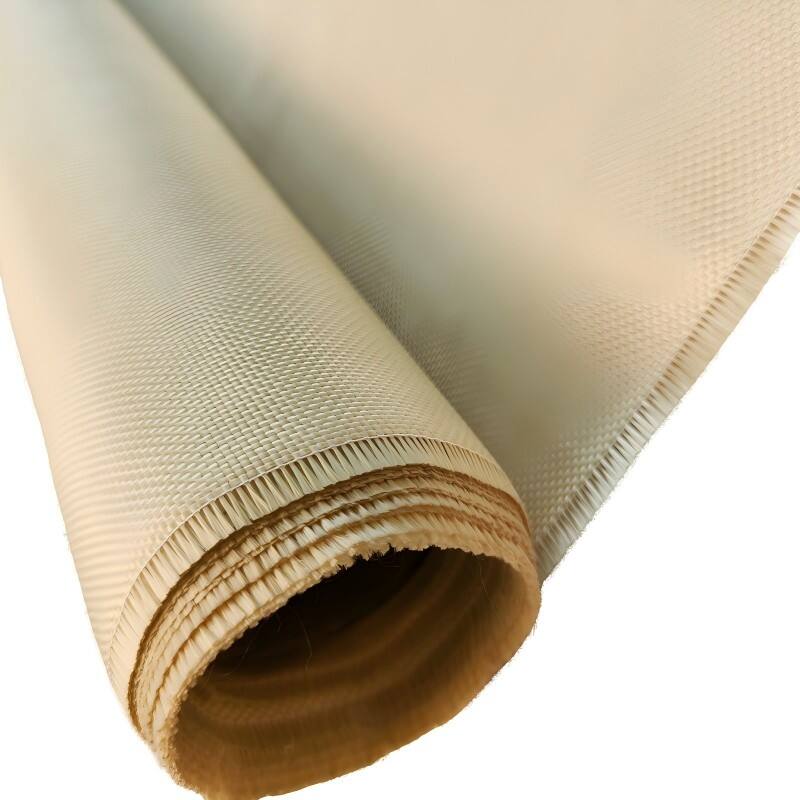
The weave pattern and fiber architecture of Aramid Fiber Fabric significantly influence its durability profile in long-term applications. Plain weave configurations offer balanced strength in both warp and weft directions, making them suitable for general-purpose applications requiring uniform stress distribution. Twill weaves provide enhanced drapability and conformability while maintaining excellent strength characteristics, particularly beneficial in complex geometric applications.
Unidirectional fabric constructions concentrate maximum strength along specific load paths, ideal for applications where primary stresses occur in predictable directions. The fiber orientation and density within the fabric structure determine how effectively loads are transmitted between individual fibers. This load transfer mechanism becomes crucial during long-term exposure to cyclic stresses, where fiber-to-fiber interaction helps prevent progressive failure modes that could compromise overall fabric integrity.
Environmental Resistance and Degradation Factors
Thermal Stability and Heat Resistance
Long-term thermal exposure represents one of the most critical factors affecting Aramid Fiber Fabric durability. These materials maintain structural integrity at temperatures up to 250°C in continuous service applications, with short-term exposure capabilities extending to 400°C. The aromatic polymer structure resists thermal decomposition through strong intermolecular bonding that prevents chain scission at elevated temperatures. This thermal stability makes aramid fabrics particularly valuable in aerospace, automotive, and industrial applications where sustained heat exposure is inevitable.
Thermal cycling effects on aramid fiber properties have been extensively studied to understand long-term performance degradation. Research indicates that repeated heating and cooling cycles can cause gradual property changes, though these effects are typically minimal within normal operating temperature ranges. The coefficient of thermal expansion for Aramid Fiber Fabric remains relatively low, reducing thermal stress development during temperature fluctuations. Proper application design must account for thermal expansion characteristics to prevent premature failure due to thermally induced stresses.
Chemical Resistance and Environmental Exposure
Chemical resistance properties of Aramid Fiber Fabric contribute significantly to its long-term durability in harsh industrial environments. These materials demonstrate excellent resistance to most organic solvents, fuels, and hydraulic fluids commonly encountered in aerospace and automotive applications. The aromatic polymer structure provides inherent resistance to oxidation and UV degradation, though prolonged exposure to strong acids or bases can cause gradual property degradation.
Moisture absorption characteristics affect long-term performance in humid environments or applications involving water exposure. Aramid fibers typically absorb 3-7% moisture by weight under standard atmospheric conditions, which can influence mechanical properties and dimensional stability. Understanding moisture effects becomes critical for applications in marine environments or high-humidity industrial settings where long-term exposure could impact fabric performance. Proper sealing and protective coatings can mitigate moisture-related degradation when necessary.
Mechanical Performance Over Extended Service Life
Tensile Strength Retention and Fatigue Resistance
The tensile strength of Aramid Fiber Fabric remains remarkably stable over extended service periods when properly applied within design limitations. Initial tensile strength values typically range from 2.8 to 3.6 GPa for individual fibers, with fabric constructions achieving proportionally lower values based on weave efficiency and fiber volume fraction. Long-term testing demonstrates that properly designed aramid fabric applications can retain 80-90% of initial strength properties after years of service under normal operating conditions.
Fatigue resistance characteristics become particularly important in applications involving cyclic loading or vibration exposure. Aramid fibers exhibit superior fatigue life compared to steel or aluminum at equivalent stress levels, making them attractive for weight-critical applications requiring long service intervals. The fiber structure distributes stress concentrations effectively, preventing crack initiation that could lead to progressive failure. Understanding fatigue mechanisms helps engineers design applications that maximize the inherent durability advantages of aramid fiber materials.
Abrasion and Wear Characteristics
Surface wear and abrasion resistance directly impact the long-term viability of Aramid Fiber Fabric in applications involving sliding contact or repeated handling. The fiber surface properties and weave construction influence abrasion resistance, with tighter weaves generally providing better protection against surface damage. Proper application design must consider potential abrasion sources and implement appropriate protective measures where necessary to ensure long-term performance.
Comparative wear testing against other high-performance materials demonstrates the competitive position of aramid fabrics in demanding applications. While not as abrasion-resistant as some ultra-high molecular weight polyethylene fibers, aramid materials offer superior thermal and chemical resistance that may offset lower abrasion resistance in specific applications. The balance between different performance characteristics allows designers to optimize material selection based on the most critical requirements for their particular application.
Application-Specific Durability Considerations
Aerospace and Aviation Applications
Aerospace applications place extreme demands on Aramid Fiber Fabric durability due to temperature extremes, pressure variations, and long service intervals between maintenance opportunities. Aircraft interior components utilizing aramid fabrics must maintain fire resistance and structural integrity throughout typical aircraft service lives of 20-30 years. The combination of thermal stability, low weight, and mechanical strength makes aramid fabrics ideal for aircraft seat structures, interior panels, and insulation applications.
Space applications present even more challenging environments where material degradation could have catastrophic consequences. Aramid fabrics used in spacecraft applications undergo extensive qualification testing to demonstrate long-term stability under vacuum conditions, radiation exposure, and extreme temperature cycling. The molecular stability of aramid polymers provides confidence in long-term performance for critical aerospace applications where replacement is not practical.
Industrial and Manufacturing Applications
Industrial applications of Aramid Fiber Fabric often involve continuous operation under demanding conditions where long-term reliability is essential for economic viability. Conveyor belting, filtration systems, and protective clothing applications require consistent performance over extended periods to justify initial material costs. The chemical resistance and thermal stability of aramid fabrics make them particularly valuable in chemical processing environments where other materials might degrade rapidly.
Manufacturing equipment incorporating aramid fabric components benefits from reduced maintenance requirements and extended service intervals. The dimensional stability of these materials under varying environmental conditions helps maintain precise tolerances in manufacturing processes. Quality assurance programs in industrial settings often include periodic testing of aramid fabric properties to ensure continued compliance with performance specifications throughout the service life.
Testing Methods and Performance Validation
Accelerated Aging and Life Prediction
Accelerated aging protocols provide essential data for predicting long-term Aramid Fiber Fabric performance without waiting decades for real-time validation. Standard test methods expose fabric samples to elevated temperatures, UV radiation, chemical environments, or mechanical stress levels that simulate years of normal service in compressed timeframes. These accelerated tests help establish degradation rates and identify potential failure modes that might not be apparent during initial qualification testing.
Mathematical models based on accelerated aging data enable engineers to predict service life under specific operating conditions. Arrhenius relationships often describe temperature-dependent degradation rates, while other models account for mechanical fatigue or chemical exposure effects. The accuracy of these predictions depends on understanding the actual degradation mechanisms and ensuring that accelerated test conditions produce the same failure modes as normal service environments.
Field Performance Monitoring and Evaluation
Real-world performance data provides the ultimate validation of Aramid Fiber Fabric durability predictions and laboratory test results. Field monitoring programs track property changes in actual service applications, providing feedback for improving material specifications and application guidelines. Periodic sampling and testing of fabric components from operating equipment helps identify unexpected degradation mechanisms or confirm predicted performance trends.
Performance evaluation protocols must account for the specific operating environment and loading conditions encountered in each application. Statistical analysis of field data helps separate normal material variation from systematic degradation trends, enabling more accurate assessment of remaining service life. This empirical data becomes particularly valuable for applications where laboratory testing cannot fully replicate the complex environmental conditions encountered in actual service.
Maintenance and Service Life Extension
Preventive Maintenance Strategies
Proper maintenance practices can significantly extend the service life of Aramid Fiber Fabric applications by preventing accelerated degradation from environmental or operational factors. Regular inspection protocols help identify early signs of wear, damage, or environmental attack before they progress to failure. Cleaning procedures must consider the chemical compatibility of cleaning agents with aramid fiber materials to prevent inadvertent damage during maintenance operations.
Environmental protection measures such as protective coatings, covers, or enclosures can shield aramid fabrics from UV exposure, moisture, or chemical contamination that might accelerate degradation. The cost-benefit analysis of these protective measures must consider the value of extended service life against implementation costs. Proper storage and handling procedures for replacement materials ensure that new components maintain their designed properties until installation.
Repair and Rehabilitation Techniques
Damage assessment and repair capabilities can extend the useful life of Aramid Fiber Fabric components beyond their initial design requirements. Localized damage from impact, abrasion, or chemical attack may be repairable using appropriate patching or overlay techniques that restore structural integrity. The compatibility of repair materials with existing aramid fabric properties becomes critical for maintaining long-term performance after repair operations.
Rehabilitation strategies for aging aramid fabric applications may include surface treatments, protective coatings, or selective reinforcement of critical areas showing signs of degradation. These approaches can provide cost-effective life extension alternatives to complete replacement, particularly for large or complex installations where replacement costs are substantial. Engineering evaluation of rehabilitation approaches must consider the long-term effectiveness and reliability of repair techniques under continued service conditions.
FAQ
How long can Aramid Fiber Fabric maintain its properties in continuous high-temperature service
Aramid Fiber Fabric can maintain structural integrity for 15-25 years in continuous service at temperatures up to 200°C, with shorter service lives at higher temperatures. The exact duration depends on the specific application environment, stress levels, and fabric construction. Regular monitoring and testing can help determine when property degradation approaches critical thresholds requiring component replacement.
What factors most significantly impact the long-term durability of aramid fabrics
Temperature exposure, UV radiation, and chemical environment represent the most significant factors affecting long-term durability. Mechanical stress levels and cyclic loading patterns also influence service life, particularly in structural applications. Proper material selection and application design that considers these factors can maximize the inherent durability advantages of aramid fiber materials.
Can damaged Aramid Fiber Fabric be repaired to restore original performance levels
Localized damage can often be repaired using appropriate techniques and materials, though complete restoration to original performance levels may not be achievable depending on the extent and nature of the damage. Professional evaluation is recommended to assess repair feasibility and expected performance after rehabilitation. Some applications may require complete replacement to maintain critical safety margins.
How does moisture exposure affect the long-term performance of aramid fabrics
Moisture absorption can reduce tensile strength by 10-15% and affect dimensional stability, though these effects are typically reversible when the fabric dries. Long-term moisture exposure in combination with elevated temperatures or chemical contamination can accelerate degradation processes. Proper sealing and drainage design can minimize moisture effects in critical applications where long-term exposure is unavoidable.
Table of Contents
- Material Composition and Structural Properties
- Environmental Resistance and Degradation Factors
- Mechanical Performance Over Extended Service Life
- Application-Specific Durability Considerations
- Testing Methods and Performance Validation
- Maintenance and Service Life Extension
-
FAQ
- How long can Aramid Fiber Fabric maintain its properties in continuous high-temperature service
- What factors most significantly impact the long-term durability of aramid fabrics
- Can damaged Aramid Fiber Fabric be repaired to restore original performance levels
- How does moisture exposure affect the long-term performance of aramid fabrics