 EN
EN
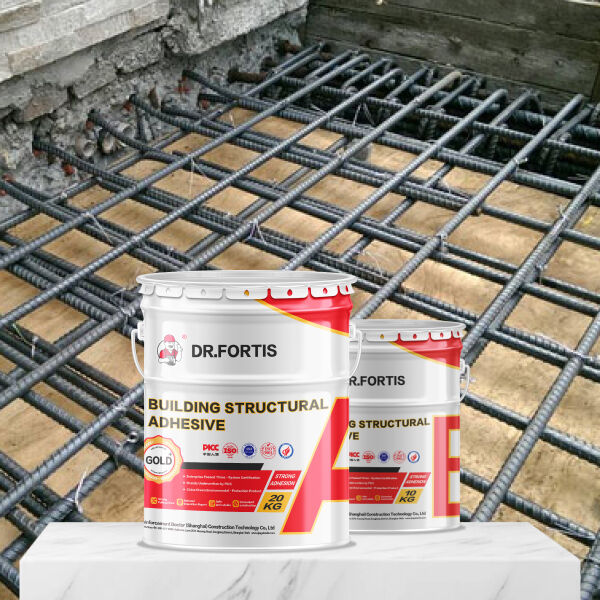
Structural reinforcement projects require precision, expertise, and the right materials to ensure long-lasting results. One critical component that often determines the success or failure of such projects is planting glue, a specialized adhesive designed for anchoring reinforcement bars into existing concrete structures. Despite its importance, many contractors and engineers make costly mistakes when working with this essential material, leading to compromised structural integrity and potential safety hazards.
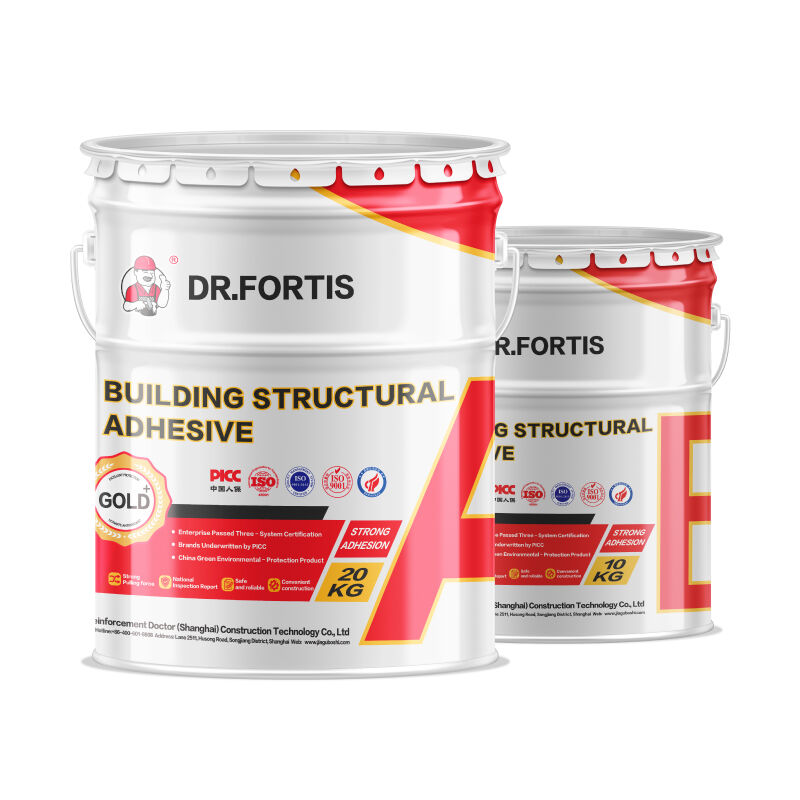
Understanding the common pitfalls associated with planting glue application can save both time and money while ensuring optimal performance. From surface preparation oversights to incorrect mixing ratios, these mistakes can significantly impact the bond strength and durability of reinforcement connections. Professional construction teams must recognize these potential issues early in the planning phase to implement proper preventive measures and maintain project quality standards.
The consequences of improper planting glue usage extend beyond immediate project concerns, potentially affecting the entire lifespan of a structure. Building owners, structural engineers, and construction managers need comprehensive knowledge about proper application techniques to avoid expensive remediation work and ensure compliance with industry safety standards.
Surface Preparation and Cleaning Errors
Inadequate Hole Cleaning Procedures
One of the most critical mistakes involves insufficient cleaning of drilled holes before applying planting glue. Concrete dust, debris, and loose particles significantly reduce bond strength by creating barriers between the adhesive and the substrate. Professional crews must use compressed air, wire brushes, and vacuum systems to ensure complete debris removal from every hole.
The cleaning process should follow a systematic approach, starting with compressed air blowing to remove loose particles, followed by wire brush cleaning to eliminate stubborn residue. Final vacuum extraction ensures no contaminating materials remain in the hole cavity. This multi-step process may seem time-consuming, but it directly impacts the long-term performance of the planting glue connection.
Moisture presence in holes represents another common oversight that compromises adhesive performance. Even small amounts of water can prevent proper curing and create weak spots in the bond. Contractors must verify complete dryness before proceeding with planting glue application, especially in humid conditions or when working with recently cured concrete.
Surface Contamination Issues
Oil, grease, and chemical contaminants on concrete surfaces create significant bonding problems that many teams underestimate. These substances form invisible barriers that prevent proper adhesion, even when using high-quality planting glue products. Thorough degreasing and chemical cleaning protocols must be implemented before any adhesive application begins.
Construction sites often expose concrete surfaces to various contaminants, including form release agents, curing compounds, and environmental pollutants. Each of these substances requires specific cleaning approaches to ensure complete removal. Generic cleaning methods frequently fail to address all contamination types, leading to unexpected bond failures during service life.
Mixing and Application Technique Problems
Incorrect Mixing Ratios and Procedures
Precise mixing ratios are essential for optimal planting glue performance, yet many projects suffer from measurement errors that compromise structural integrity. Manufacturers provide specific ratio requirements for each product formulation, and deviations from these specifications can result in incomplete curing, reduced strength, or excessive brittleness in the final bond.
Manual mixing processes introduce human error factors that automated systems can eliminate. Hand-mixing often produces inconsistent results due to inadequate blending time, improper technique, or fatigue-related mistakes during large-scale applications. Professional crews should invest in mechanical mixing equipment to ensure consistent quality across all applications.
Temperature effects on mixing procedures represent another frequently overlooked factor. Cold weather slows chemical reactions and may require extended mixing times, while hot conditions accelerate curing and reduce working time. Adjustment of mixing procedures based on environmental conditions ensures optimal planting glue performance regardless of weather variations.
Application Timing and Working Life Management
Working life limitations create pressure situations where teams rush application procedures, leading to installation mistakes. Each planting glue formulation has specific pot life characteristics that determine how long mixed material remains workable. Exceeding these time limits results in partially cured adhesive that cannot achieve full bond strength.
Batch size calculations must account for actual installation rates to prevent waste and ensure fresh material for each application. Overestimating crew capabilities or underestimating installation complexity often leads to expired material and rework situations. Careful planning based on realistic productivity assessments prevents these costly mistakes.
Environmental and Curing Conditions
Temperature Control During Application
Extreme temperature conditions significantly affect planting glue performance, yet many projects proceed without proper environmental controls. High temperatures accelerate curing reactions, reducing working time and potentially causing incomplete penetration into hole cavities. Conversely, low temperatures slow curing processes and may prevent complete chemical cross-linking.
Substrate temperature variations can create differential curing rates that produce internal stresses within the adhesive bond. Concrete structures exposed to direct sunlight may develop surface temperatures significantly higher than ambient conditions, requiring special cooling measures or application timing adjustments to maintain optimal curing conditions.
Winter construction presents unique challenges for planting glue applications, including frost formation, frozen substrates, and extended curing times. Heating systems, insulation blankets, and modified curing procedures help maintain proper conditions, but these measures require careful planning and additional resources that many projects fail to budget adequately.
Humidity and Moisture Management
High humidity environments can interfere with certain planting glue formulations, particularly those sensitive to moisture during curing. Excess atmospheric moisture may cause foaming, incomplete curing, or surface defects that reduce overall bond quality. Dehumidification equipment becomes necessary in enclosed spaces or during humid weather conditions.
Condensation formation on concrete surfaces and reinforcement bars creates hidden moisture sources that compromise adhesive performance. Temperature differentials between materials and ambient air often produce condensation that requires removal before planting glue application. Proper ventilation and temperature control prevent most condensation issues.
Quality Control and Testing Oversights
Inadequate Pull-Out Testing Programs
Many projects skip or minimize pull-out testing procedures, missing opportunities to identify installation problems before they become structural issues. Proper testing protocols require representative samples from different application conditions, installation crews, and material batches to ensure consistent quality throughout the project.
Testing frequency recommendations often conflict with project schedules, leading to reduced sampling rates that may not detect isolated problems. Statistical sampling methods help optimize testing programs while maintaining adequate quality assurance coverage. Professional testing services provide expertise in developing appropriate protocols for specific project requirements.
Documentation and Traceability Failures
Incomplete documentation of planting glue applications creates problems for future maintenance, inspection, and liability assessment. Detailed records should include material batch numbers, mixing procedures, environmental conditions, and installation personnel for each application session. Digital documentation systems help ensure consistency and accessibility of critical project information.
Traceability requirements extend beyond basic installation records to include material certifications, test results, and quality control inspections. These documents prove essential for warranty claims, insurance issues, and regulatory compliance reviews that may occur years after project completion.
Material Storage and Handling Mistakes
Improper Storage Conditions
Planting glue components require specific storage conditions to maintain their performance characteristics and shelf life. Exposure to extreme temperatures, direct sunlight, or moisture can degrade material properties before application, resulting in unexpected performance problems that may not become apparent until structural loading occurs.
Inventory rotation procedures ensure that older materials get used before newer shipments, preventing expired products from entering the construction process. First-in-first-out protocols require clear labeling systems and organized storage areas that facilitate proper material management throughout project duration.
Transportation and Handling Damage
Rough handling during transportation and on-site movement can damage packaging integrity and contaminate planting glue components. Proper handling procedures include protective packaging, cushioned transport, and careful lifting techniques that prevent damage to containers and mixing equipment.
Site storage security prevents unauthorized access and protects materials from vandalism or accidental damage. Locked storage areas with controlled access ensure that only trained personnel handle planting glue materials, reducing the risk of improper use or contamination.
FAQ
What is the most common mistake when using planting glue?
The most frequent mistake is inadequate hole cleaning before application. Concrete dust, debris, and moisture in drilled holes prevent proper adhesion and significantly reduce bond strength. Always use compressed air, wire brushes, and vacuum systems to ensure complete hole preparation before applying any adhesive material.
How long should planting glue cure before loading?
Curing time depends on the specific product formulation, temperature, and humidity conditions. Most planting glue products require 24-48 hours for initial cure and 7 days for full strength development. Always consult manufacturer specifications and conduct pull-out tests to verify adequate curing before applying structural loads.
Can planting glue be used in wet conditions?
Standard planting glue formulations are not suitable for wet conditions and require completely dry substrates for proper performance. Specialized moisture-tolerant formulations are available for underwater or wet environment applications, but these products require specific installation procedures and typically cost more than standard formulations.
What temperature range is acceptable for planting glue application?
Most planting glue products perform best when applied between 50°F and 90°F (10°C to 32°C). Temperatures below 40°F (4°C) significantly slow curing reactions, while temperatures above 100°F (38°C) reduce working time and may cause application difficulties. Always check manufacturer specifications for your specific product.