 EN
EN
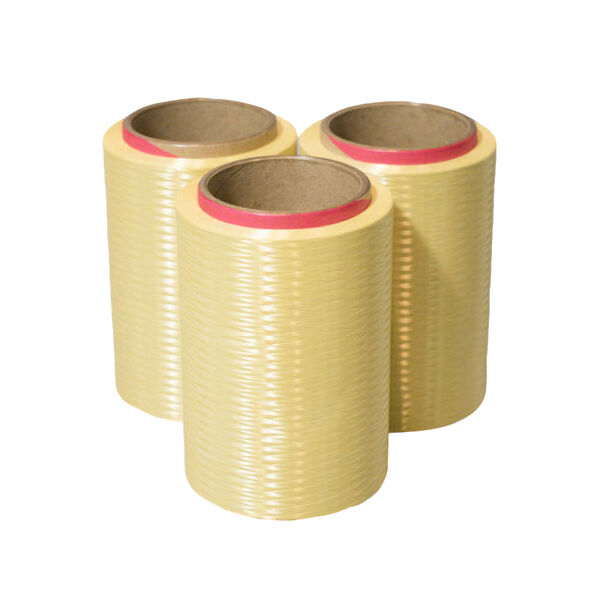
Carbon fiber cloth has revolutionized modern manufacturing and repair industries with its exceptional strength-to-weight ratio and versatility. For beginners entering the world of composite materials, understanding the proper application techniques and best practices for carbon fiber cloth is essential for achieving professional-grade results. This lightweight yet incredibly strong material offers unlimited possibilities for structural reinforcement, automotive applications, aerospace components, and countless DIY projects when handled correctly.
Understanding Carbon Fiber Cloth Fundamentals
Material Properties and Characteristics
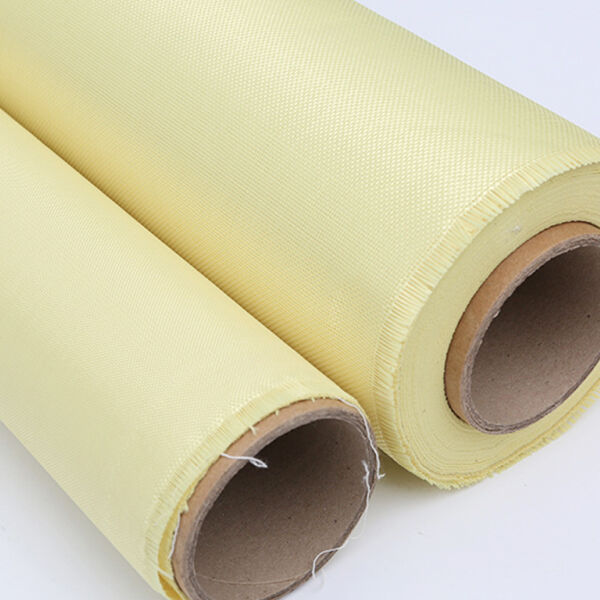
Carbon fiber cloth consists of woven carbon filaments that create a fabric with remarkable tensile strength and rigidity. The material exhibits anisotropic properties, meaning its strength varies depending on the fiber direction within the weave pattern. Beginners should understand that carbon fiber cloth derives its strength from the carbon fibers themselves, while the weave pattern determines how forces are distributed across the material. The most common weave patterns include plain weave, twill weave, and satin weave, each offering different handling characteristics and aesthetic appearances.
The weight of carbon fiber cloth is typically measured in grams per square meter, with lighter fabrics offering easier handling for beginners while heavier fabrics provide increased strength and durability. Understanding these fundamental properties helps beginners select the appropriate carbon fiber cloth weight and weave pattern for their specific applications. Temperature resistance, chemical compatibility, and UV stability are additional characteristics that make carbon fiber cloth suitable for diverse industrial and consumer applications.
Types and Applications
Various types of carbon fiber cloth serve different purposes in manufacturing and repair applications. Unidirectional carbon fiber cloth provides maximum strength in one direction, making it ideal for structural reinforcement where loads are predictable. Bidirectional carbon fiber cloth offers strength in two perpendicular directions, providing more balanced reinforcement for complex stress patterns. Beginners should also familiarize themselves with hybrid fabrics that combine carbon fibers with other materials like fiberglass or aramid fibers.
Common applications for carbon fiber cloth include automotive body panels, aircraft components, sporting goods, marine structures, and architectural reinforcement. Each application requires specific considerations regarding fiber orientation, resin compatibility, and curing conditions. Beginners should start with simpler projects like decorative panels or non-critical reinforcement applications before progressing to structural components that require precise engineering calculations and quality control measures.
Essential Tools and Materials for Beginners
Basic Equipment Requirements
Successful work with carbon fiber cloth requires specific tools designed for composite material handling and application. Sharp scissors or rotary cutters ensure clean edges when cutting carbon fiber cloth, preventing fraying that can compromise the integrity of the final product. Measuring tools, including rulers and templates, help beginners achieve accurate cuts and proper fiber orientation. Safety equipment is paramount when working with carbon fiber cloth, including dust masks, safety glasses, and protective gloves to prevent inhalation of carbon fibers and skin irritation.
Additional essential tools include mixing containers for resin preparation, graduated measuring cups for accurate resin-to-hardener ratios, and various brushes and rollers for resin application. Vacuum bagging equipment, while not always necessary for beginners, can significantly improve the quality of carbon fiber cloth applications by eliminating air bubbles and ensuring uniform resin distribution. Heat guns or hair dryers can accelerate curing processes, while release films and peel plies help achieve smooth surface finishes on completed projects.
Resin Selection and Compatibility
Choosing the appropriate resin system is crucial for successful carbon fiber cloth applications. Epoxy resins offer excellent mechanical properties and chemical resistance, making them the preferred choice for structural applications. Polyester resins provide cost-effective solutions for non-critical applications, though they may not achieve the same performance levels as epoxy systems. Vinylester resins offer intermediate properties and improved chemical resistance compared to polyester resins.
Beginners should consider working time, curing temperature, and final mechanical properties when selecting resin systems. Room temperature curing resins allow beginners to work without specialized heating equipment, while elevated temperature curing systems may require ovens or heated molds. The resin-to-carbon fiber cloth ratio significantly affects the final properties of the composite, with typical ratios ranging from 40% to 60% resin by weight depending on the application requirements and processing methods used.
Step-by-Step Application Techniques
Surface Preparation Methods
Proper surface preparation forms the foundation of successful carbon fiber cloth applications. The substrate must be clean, dry, and properly prepared to ensure optimal adhesion between the carbon fiber cloth and the underlying material. Beginners should thoroughly clean surfaces with appropriate solvents to remove oils, dirt, and other contaminants that could interfere with bonding. Mechanical abrasion using sandpaper or grinding tools creates surface texture that promotes mechanical bonding between the substrate and the carbon fiber cloth system.
Different substrate materials require specific preparation techniques to achieve reliable bonds. Metal surfaces may require chemical etching or primer application, while concrete surfaces might need mechanical scarification and moisture content testing. Composite repairs require careful removal of damaged material and proper feathering of repair edges to ensure smooth transitions. Temperature and humidity conditions during surface preparation can affect the quality of the final bond, requiring beginners to monitor environmental conditions throughout the preparation process.
Layout and Cutting Procedures
Accurate layout and cutting of carbon fiber cloth ensures proper fiber orientation and minimizes material waste. Beginners should create templates or patterns before cutting expensive carbon fiber cloth, allowing for testing of fit and orientation before committing to final cuts. Fiber direction markings help maintain proper orientation during handling and application, with the strongest direction typically aligned with primary load paths in the finished component.
When cutting carbon fiber cloth, sharp tools prevent fraying and ensure clean edges that will not create weak points in the final composite. Overlapping joints should be planned during the layout phase, with typical overlap distances ranging from 25mm to 75mm depending on the application requirements and stress levels expected in service. Multiple layers of carbon fiber cloth may require staggered joints to prevent the creation of thick sections that could cause stress concentrations or resin-rich areas.
Resin Application and Consolidation
Wet Layup Techniques
Wet layup represents the most common method for applying carbon fiber cloth in beginner applications. This technique involves saturating the carbon fiber cloth with resin either before or after placement on the substrate. Pre-wetting the carbon fiber cloth allows better control over resin content and helps prevent dry spots, while post-wetting techniques can be faster for large areas but require more skill to achieve uniform saturation.
Proper consolidation techniques remove air bubbles and excess resin while ensuring complete wet-out of the carbon fiber cloth. Rollers, squeegees, and brushes each serve specific purposes in the consolidation process, with serrated rollers being particularly effective for removing trapped air. Beginners should work systematically from one edge to another, maintaining consistent pressure and resin content throughout the application. Working time limitations of the resin system require beginners to plan their work sequence carefully and prepare all materials before beginning the application process.
Quality Control During Application
Monitoring quality indicators during carbon fiber cloth application helps beginners identify and correct problems before they become permanent defects. Visual inspection for dry spots, resin-rich areas, and air bubbles should be conducted continuously during the application process. Proper resin saturation is indicated by a translucent appearance of the carbon fiber cloth, while dry areas appear opaque and require additional resin application.
Temperature control during application affects resin viscosity and working time, requiring beginners to monitor ambient conditions and adjust their techniques accordingly. High temperatures reduce working time but may improve resin flow, while low temperatures extend working time but may result in incomplete wet-out of the carbon fiber cloth. Maintaining consistent environmental conditions throughout the application process helps ensure uniform properties in the finished composite component.
Curing and Post-Processing
Curing Process Management
Proper curing of carbon fiber cloth composites requires careful attention to time, temperature, and pressure conditions specified by the resin manufacturer. Room temperature curing systems typically require 24 to 48 hours for initial cure, with full properties developing over several days to weeks depending on the specific resin chemistry. Elevated temperature curing can accelerate the process and improve final mechanical properties, but requires appropriate heating equipment and temperature control systems.
Beginners should monitor the curing process for signs of proper cross-linking, including gradual hardening and heat generation during exothermic curing reactions. Incomplete curing can result in poor mechanical properties and chemical resistance, while excessive heat during curing may cause thermal degradation of the carbon fiber cloth or resin matrix. Proper ventilation during curing removes volatile compounds and prevents the buildup of potentially hazardous vapors in enclosed work spaces.
Surface Finishing Techniques
Post-curing surface finishing of carbon fiber cloth composites may require sanding, polishing, or coating application depending on the intended use and aesthetic requirements. Progressive sanding with increasingly fine grits removes surface imperfections and creates smooth finishes suitable for painting or clear coating. Care must be taken during sanding to avoid damaging the carbon fiber cloth or creating low spots that compromise the structural integrity of the component.
Protective coatings for carbon fiber cloth composites include clear coats for aesthetic applications and barrier coatings for chemical resistance or UV protection. The choice of coating system depends on the service environment and performance requirements of the finished component. Proper surface preparation between curing and coating application ensures optimal adhesion and long-term durability of the protective system applied over the carbon fiber cloth composite.
Common Mistakes and Troubleshooting
Typical Beginner Errors
New users of carbon fiber cloth frequently encounter several common mistakes that can compromise the quality and performance of their projects. Inadequate surface preparation ranks among the most frequent errors, leading to poor adhesion and premature failure of the carbon fiber cloth system. Rushing the preparation phase or attempting to skip cleaning and roughening steps invariably results in disappointing outcomes that could have been easily prevented with proper attention to detail.
Incorrect resin mixing ratios represent another common mistake that affects curing characteristics and final mechanical properties. Using expired resin systems or working beyond the pot life of mixed resin can result in incomplete curing and poor performance. Beginners often underestimate the importance of environmental conditions, working in conditions that are too hot, cold, or humid for optimal results with their chosen carbon fiber cloth and resin system.
Problem Resolution Strategies
When problems occur during carbon fiber cloth application, early identification and corrective action can often salvage the project or minimize the extent of rework required. Air bubbles trapped in the carbon fiber cloth can sometimes be worked out using additional consolidation pressure, while more severe cases may require局部removal and reapplication of material. Dry spots in the carbon fiber cloth require immediate attention with additional resin application before the surrounding areas begin to cure.
Resin-rich areas can be addressed by absorbing excess resin with peel ply or perforated release film, though prevention through proper resin metering is preferable. When curing problems occur, such as soft or tacky surfaces, additional heat or extended curing time may resolve the issue depending on the specific resin chemistry involved. Severe defects may require complete removal and reapplication of the carbon fiber cloth system, making prevention through proper technique the most cost-effective approach.
Advanced Tips for Better Results
Professional Techniques Adaptation
As beginners gain experience with carbon fiber cloth applications, incorporating professional techniques can significantly improve results and efficiency. Vacuum bagging, while initially intimidating, provides superior consolidation and resin-to-fiber ratios compared to hand layup methods. Starting with simple flat panels allows beginners to learn vacuum bagging principles before progressing to more complex geometries that require advanced bagging techniques and specialized materials.
Pre-pregging carbon fiber cloth with resin and storing it under controlled conditions can extend working time and improve consistency across large projects. This technique requires careful temperature control and timing but allows beginners to prepare materials in advance and focus on application techniques during the critical layup phase. Understanding the principles behind professional techniques helps beginners make informed decisions about when to invest in additional equipment and training.
Quality Improvement Methods
Systematic quality improvement in carbon fiber cloth work requires documentation of processes, materials, and environmental conditions for each project. Maintaining detailed records allows beginners to identify successful techniques and avoid repeating mistakes that led to poor results. Photographic documentation of each stage provides valuable reference material for future projects and helps communicate techniques to others learning carbon fiber cloth application methods.
Regular evaluation of finished projects through visual inspection, mechanical testing, or service performance monitoring provides feedback on the effectiveness of different techniques and materials. Comparing results from different carbon fiber cloth suppliers, resin systems, and application methods helps beginners develop preferences based on actual performance rather than theoretical specifications. Continuous learning through industry publications, training courses, and interaction with experienced practitioners accelerates skill development and expands the range of applications that beginners can successfully complete.
FAQ
What weight of carbon fiber cloth should beginners start with?
Beginners should typically start with 200g to 300g carbon fiber cloth, as these weights offer a good balance between handleability and strength. Lighter fabrics can be difficult to handle without wrinkling, while heavier fabrics require more resin and can be challenging to consolidate properly. The 200g weight provides sufficient strength for most beginner projects while being forgiving during application and easy to cut and position accurately.
How much resin is needed for carbon fiber cloth applications?
The typical resin-to-carbon fiber cloth ratio ranges from 2:1 to 3:1 by weight, meaning you need approximately 2-3 times the weight of the carbon fiber cloth in resin. For example, 100g of carbon fiber cloth would require 200-300g of mixed resin system. Actual consumption varies based on application method, substrate porosity, and desired resin content, so beginners should prepare 10-20% extra resin to account for waste and variations in application technique.
Can carbon fiber cloth be repaired if mistakes occur during application?
Yes, carbon fiber cloth can be repaired during application if caught early, but the methods depend on the stage of curing. Wet carbon fiber cloth can be repositioned, additional resin can be added to dry spots, and air bubbles can be worked out with rollers or squeegees. Once curing begins, options become more limited, but localized repairs are still possible by removing defective areas and applying new carbon fiber cloth with proper overlap. After full cure, repairs require mechanical removal of defective material and complete re-application of the carbon fiber cloth system.
What safety precautions are essential when working with carbon fiber cloth?
Essential safety precautions include wearing appropriate respiratory protection to prevent inhalation of carbon fibers, using safety glasses to protect eyes from loose fibers, and wearing protective gloves to prevent skin irritation. Work areas should be well-ventilated to remove resin vapors, and skin contact with uncured resin systems should be avoided. Carbon fiber cloth should be stored in clean, dry conditions away from static electricity sources, and proper disposal methods should be followed for waste materials and contaminated tools.