
 EN
EN
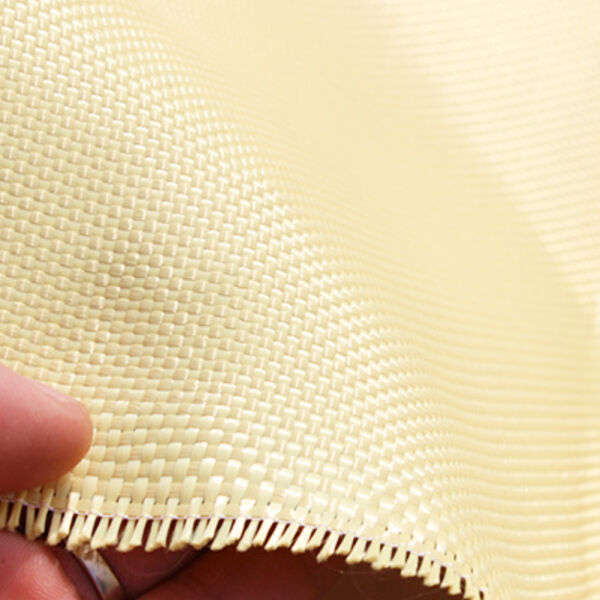
In today's demanding industrial landscape, the quest for materials that deliver exceptional strength while maintaining minimal weight has led to revolutionary developments in composite technology. Aramid fiber cloth stands at the forefront of this evolution, offering unparalleled protection characteristics that have transformed industries ranging from aerospace to personal protective equipment. This advanced material combines the molecular structure of synthetic polymers with engineering precision to create a textile solution that defies conventional weight-to-strength ratios.
The remarkable properties of aramid fiber cloth stem from its unique molecular architecture, where long-chain synthetic polymers are oriented in specific directions to maximize tensile strength. This material exhibits five times the strength of steel by weight, making it an ideal candidate for applications where traditional materials fall short. The inherent flexibility of aramid fiber cloth allows it to absorb and distribute impact energy effectively, preventing catastrophic failure under extreme conditions.
Understanding the Science Behind Aramid Fiber Technology
Molecular Structure and Composition
The foundation of aramid fiber cloth lies in its sophisticated molecular structure, characterized by aromatic polyamide chains that form rigid, rod-like configurations. These polymer chains are held together by strong intermolecular forces, creating a material matrix that exhibits exceptional resistance to tension, heat, and chemical degradation. The oriented crystalline regions within aramid fiber cloth contribute to its remarkable mechanical properties, allowing the material to maintain structural integrity under extreme stress conditions.
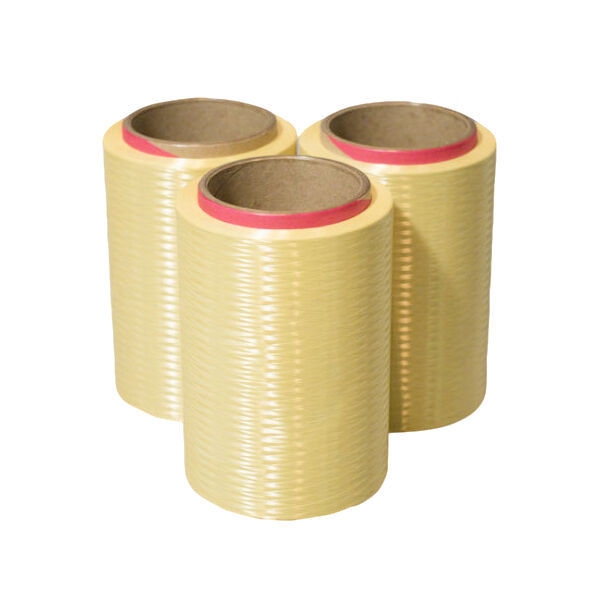
Manufacturing processes for aramid fiber cloth involve precise control of spinning conditions, where polymer solutions are extruded through spinnerets and subsequently drawn to align the molecular chains. This alignment process is crucial for achieving the desired mechanical properties, as it ensures that the load-bearing capacity is maximized in specific directions. The resulting fabric exhibits anisotropic behavior, meaning its properties vary depending on the direction of applied force.
Thermal and Chemical Resistance Properties
One of the most significant advantages of aramid fiber cloth is its exceptional thermal stability, maintaining structural integrity at temperatures exceeding 400 degrees Celsius. This thermal resistance makes aramid fiber cloth invaluable in applications where exposure to high temperatures is inevitable, such as industrial furnace linings, firefighting equipment, and aerospace components. The material's ability to resist thermal degradation while maintaining flexibility sets it apart from traditional protective materials.
Chemical resistance is another hallmark of aramid fiber cloth, as the aromatic rings in the polymer backbone provide stability against a wide range of chemical environments. This resistance extends to acids, bases, and organic solvents, making the material suitable for applications in chemical processing facilities, marine environments, and industrial manufacturing where exposure to corrosive substances is common. The long-term durability of aramid fiber cloth in harsh chemical environments translates to reduced maintenance costs and improved safety margins.
Applications Across Industries
Aerospace and Defense Applications
The aerospace industry has embraced aramid fiber cloth as a critical component in aircraft construction, where weight reduction without compromising safety is paramount. Modern aircraft utilize aramid fiber cloth in wing structures, fuselage panels, and interior components to achieve significant weight savings while maintaining the structural requirements necessary for flight safety. The material's excellent fatigue resistance ensures reliable performance throughout the aircraft's operational lifetime.
Defense applications of aramid fiber cloth extend to ballistic protection systems, where the material's energy absorption capabilities provide life-saving protection for military personnel. Body armor systems incorporating aramid fiber cloth layers can effectively stop projectiles while remaining lightweight and flexible enough to allow unrestricted movement. The multi-hit capability of aramid fiber cloth makes it superior to traditional ballistic materials, providing sustained protection in combat scenarios.
Automotive and Transportation Industry
The automotive sector has increasingly adopted aramid fiber cloth for lightweight vehicle construction, contributing to improved fuel efficiency and reduced emissions. High-performance vehicles utilize aramid fiber cloth in chassis components, body panels, and safety systems to achieve optimal strength-to-weight ratios. The material's vibration damping properties also contribute to improved ride quality and noise reduction in passenger vehicles.
Racing applications showcase the extreme performance capabilities of aramid fiber cloth, where materials must withstand tremendous forces while maintaining minimal weight. Formula One vehicles and other high-performance racing machines rely on aramid fiber cloth for critical safety components, including roll cages, impact absorption structures, and driver protection systems. The material's ability to absorb crash energy while maintaining structural integrity has revolutionized motorsport safety standards.
Manufacturing and Processing Techniques
Weaving and Fabric Construction Methods
The production of aramid fiber cloth involves sophisticated weaving techniques that optimize the material's mechanical properties for specific applications. Plain weave, twill weave, and satin weave patterns each offer distinct advantages in terms of drapability, surface finish, and mechanical performance. The choice of weave pattern significantly influences the final properties of aramid fiber cloth, allowing manufacturers to tailor the material characteristics to meet precise application requirements.
Advanced manufacturing techniques include the use of computerized looms that precisely control tension, yarn placement, and weave density to ensure consistent quality throughout the fabric. Quality control measures during the weaving process monitor parameters such as yarn tension, fabric thickness, and surface uniformity to maintain the high standards required for critical applications. The integration of automated inspection systems ensures that any defects are identified and corrected before the aramid fiber cloth reaches end users.
Treatment and Finishing Processes
Post-weaving treatments for aramid fiber cloth include various finishing processes that enhance specific properties required for particular applications. Heat setting treatments stabilize the fabric dimensions and improve resistance to shrinkage under elevated temperatures. Surface treatments can modify the adhesion characteristics of aramid fiber cloth, making it compatible with different resin systems used in composite manufacturing.
Specialized coatings applied to aramid fiber cloth can provide additional functionality such as water resistance, flame retardancy, or enhanced chemical resistance. These treatments are carefully formulated to maintain the inherent properties of the base material while adding desired characteristics. The compatibility between coatings and aramid fiber cloth is crucial for ensuring long-term performance and preventing delamination or coating failure in service conditions.
Performance Advantages in Protective Applications
Impact Resistance and Energy Absorption
The superior impact resistance of aramid fiber cloth stems from its unique ability to distribute impact energy across a wide area while preventing localized failure. When subjected to high-velocity impacts, aramid fiber cloth deforms in a controlled manner that maximizes energy absorption while maintaining structural continuity. This behavior is particularly valuable in ballistic protection applications where the ability to stop projectiles without catastrophic failure is essential.
Energy absorption mechanisms in aramid fiber cloth involve multiple failure modes that occur sequentially, each contributing to the overall energy dissipation process. Initial energy absorption occurs through fiber stretching and yarn realignment, followed by progressive fiber breakage that prevents sudden catastrophic failure. The hierarchical nature of these failure modes ensures that aramid fiber cloth provides predictable and reliable protection performance across a wide range of impact conditions.
Durability and Longevity Factors
Long-term performance of aramid fiber cloth in demanding environments demonstrates the material's exceptional durability characteristics. Resistance to UV degradation, moisture absorption, and mechanical wear ensures that aramid fiber cloth maintains its protective properties throughout extended service periods. Accelerated aging tests conducted under various environmental conditions confirm the material's ability to retain mechanical properties over decades of use.
Maintenance requirements for aramid fiber cloth are minimal compared to traditional protective materials, resulting in reduced lifecycle costs and improved operational efficiency. The material's resistance to biological degradation prevents issues such as mold growth or bacterial decomposition that can compromise the performance of natural fiber materials. Regular inspection protocols for aramid fiber cloth focus on identifying mechanical damage rather than material degradation, simplifying maintenance procedures and reducing downtime.
Comparative Analysis with Alternative Materials
Weight-to-Strength Ratio Comparisons
When compared to traditional materials such as steel, aluminum, or fiberglass, aramid fiber cloth demonstrates superior specific strength properties that translate to significant weight savings in finished products. The density of aramid fiber cloth is approximately 1.4 grams per cubic centimeter, substantially lower than metallic alternatives while providing comparable or superior mechanical performance. This weight advantage becomes increasingly important in applications where weight reduction directly impacts operational efficiency or fuel consumption.
Performance benchmarking studies reveal that aramid fiber cloth can replace significantly heavier traditional materials without compromising safety or functionality. In aerospace applications, weight savings achieved through the use of aramid fiber cloth translate to increased payload capacity, extended range, or improved fuel efficiency. The economic benefits of these performance improvements often justify the higher initial cost of aramid fiber cloth compared to conventional materials.
Cost-Benefit Analysis Considerations
While the initial cost of aramid fiber cloth may exceed that of traditional materials, comprehensive lifecycle cost analysis demonstrates the economic advantages of this advanced material. Reduced maintenance requirements, extended service life, and improved performance characteristics contribute to lower total cost of ownership. The ability of aramid fiber cloth to maintain its properties over extended periods reduces replacement frequency and associated downtime costs.
Return on investment calculations for aramid fiber cloth applications must consider both direct cost savings and indirect benefits such as improved safety margins, reduced insurance costs, and enhanced operational flexibility. The reliability and predictable performance of aramid fiber cloth contribute to reduced risk profiles in critical applications, potentially resulting in lower insurance premiums and improved regulatory compliance. These factors combine to create compelling economic justification for the adoption of aramid fiber cloth in demanding applications.
FAQ
How does aramid fiber cloth compare to carbon fiber in terms of impact resistance
Aramid fiber cloth generally exhibits superior impact resistance compared to carbon fiber due to its greater elongation at break and ability to absorb energy through controlled deformation. While carbon fiber offers higher stiffness and strength in certain loading conditions, aramid fiber cloth excels in applications requiring impact tolerance and damage resistance. The choice between these materials depends on specific application requirements, with aramid fiber cloth being preferred when impact resistance is the primary concern.
What are the temperature limitations for aramid fiber cloth applications
Aramid fiber cloth maintains its mechanical properties at continuous operating temperatures up to 200 degrees Celsius, with short-term exposure capability extending to 400 degrees Celsius or higher depending on the specific grade. At elevated temperatures, some reduction in mechanical properties may occur, but the material typically retains sufficient strength for most applications. For extreme temperature environments, specialized grades of aramid fiber cloth with enhanced thermal stability are available.
Can aramid fiber cloth be recycled or disposed of in an environmentally responsible manner
Recycling options for aramid fiber cloth are currently limited due to the chemical stability that makes the material valuable in service applications. Research into recycling methods is ongoing, with some success in mechanical recycling processes that break down the material for use in lower-performance applications. Incineration with energy recovery is currently the most common disposal method, as the material burns cleanly with high energy content and minimal harmful emissions.
What quality standards and certifications apply to aramid fiber cloth products
Aramid fiber cloth products are subject to various industry-specific standards and certifications depending on their intended application. Aerospace applications require compliance with standards such as AS/EN 9100, while ballistic protection applications must meet NIJ or STANAG standards. ISO 9001 quality management systems are typically implemented by manufacturers to ensure consistent product quality and traceability throughout the production process.
Table of Contents
- Understanding the Science Behind Aramid Fiber Technology
- Applications Across Industries
- Manufacturing and Processing Techniques
- Performance Advantages in Protective Applications
- Comparative Analysis with Alternative Materials
-
FAQ
- How does aramid fiber cloth compare to carbon fiber in terms of impact resistance
- What are the temperature limitations for aramid fiber cloth applications
- Can aramid fiber cloth be recycled or disposed of in an environmentally responsible manner
- What quality standards and certifications apply to aramid fiber cloth products