 EN
EN
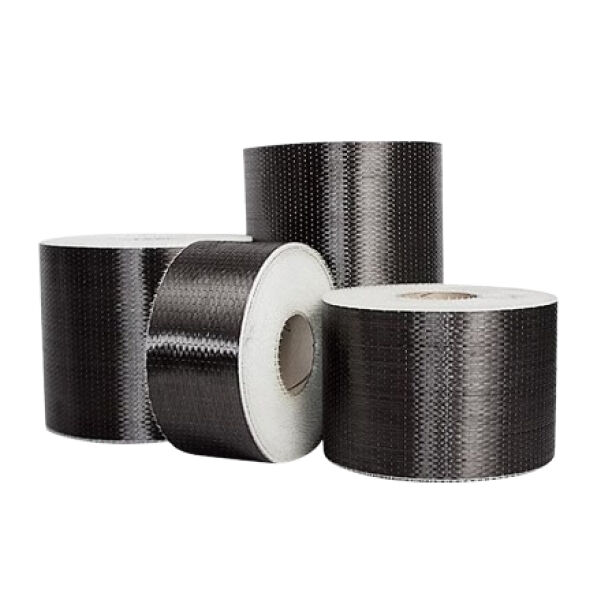
Carbon fiber materials have revolutionized industries ranging from aerospace to automotive manufacturing, offering exceptional strength-to-weight ratios and versatility in application. Among the various forms of carbon fiber products available, carbon fiber cloth and carbon fiber sheets represent two distinct categories that serve different purposes in composite manufacturing and reinforcement applications. Understanding the fundamental differences between these materials is crucial for engineers, manufacturers, and professionals who need to select the appropriate carbon fiber solution for their specific project requirements.
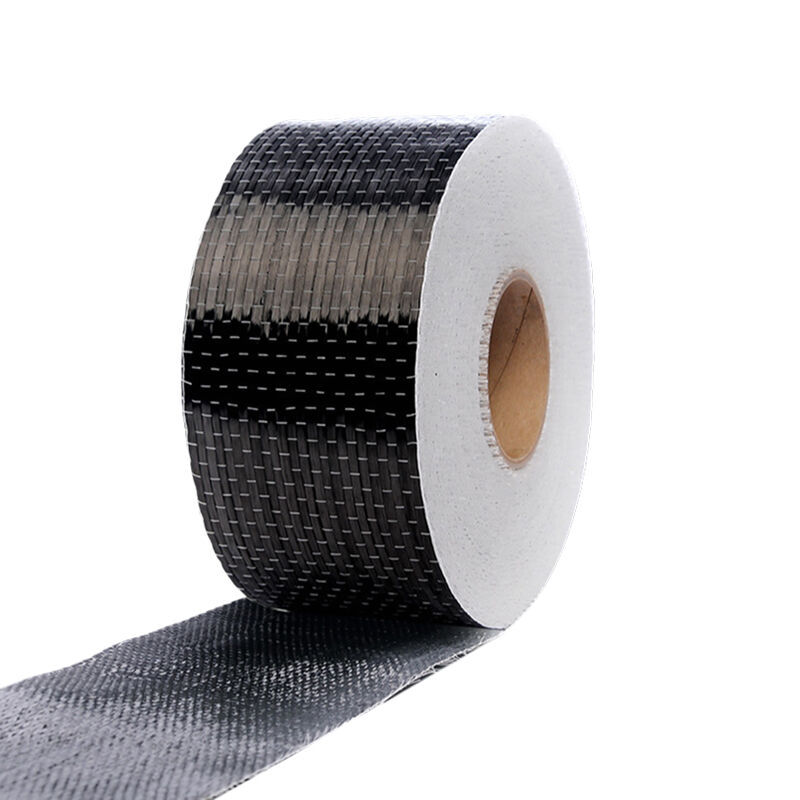
The distinction between carbon fiber cloth and carbon fiber sheets extends beyond simple terminology, encompassing differences in manufacturing processes, physical properties, applications, and performance characteristics. Carbon fiber cloth typically refers to woven or non-woven textile materials made from carbon fiber filaments, while carbon fiber sheets generally describe rigid, pre-formed composite panels that have already undergone curing processes. These fundamental structural differences create unique advantages and limitations for each material type, influencing their suitability for various industrial and commercial applications.
Manufacturing Process and Material Composition
Production Methods for Carbon Fiber Cloth
The manufacturing process for carbon fiber cloth begins with the production of carbon fiber filaments through pyrolysis of precursor materials, typically polyacrylonitrile or pitch-based compounds. These individual filaments are then bundled into tows, which contain thousands of individual carbon fibers. The weaving process transforms these tows into various fabric patterns, including plain weave, twill weave, and satin weave configurations. Each weaving pattern affects the final properties of the carbon fiber cloth, influencing factors such as drapability, strength distribution, and surface finish characteristics.
Quality control during carbon fiber cloth production involves precise tension management, consistent fiber alignment, and careful handling to prevent damage to the delicate carbon fibers. The resulting fabric maintains flexibility and conformability, allowing it to be shaped around complex geometries during composite layup processes. Advanced manufacturing techniques may include surface treatments or sizing applications that enhance the bonding characteristics between the carbon fiber cloth and matrix materials used in composite construction.
Carbon Fiber Sheet Manufacturing Processes
Carbon fiber sheets undergo a more complex manufacturing process that involves combining carbon fiber reinforcement with polymer matrix materials, followed by curing under controlled temperature and pressure conditions. The process typically begins with carbon fiber cloth or unidirectional fiber placement, which is then impregnated with resin systems such as epoxy, polyester, or vinyl ester. The impregnated material is then subjected to curing processes using autoclaves, press molding, or other controlled heating methods.
The curing process transforms the flexible carbon fiber cloth and liquid resin into a rigid, solid composite sheet with fixed dimensions and properties. This manufacturing approach allows for precise control over fiber volume fraction, void content, and mechanical properties. Different manufacturing methods, such as prepreg layup, resin transfer molding, or pultrusion, can produce carbon fiber sheets with varying characteristics suited to specific application requirements.
Physical Properties and Performance Characteristics
Mechanical Properties of Carbon Fiber Cloth
Carbon fiber cloth exhibits unique mechanical properties that distinguish it from rigid composite sheets. The flexibility and drapability of carbon fiber cloth allow it to conform to complex shapes and contours, making it ideal for applications requiring intricate geometries. The tensile strength of carbon fiber cloth depends on the quality and type of carbon fibers used, with high-modulus varieties offering exceptional stiffness and strength characteristics. However, the mechanical properties of carbon fiber cloth are not fully realized until it is combined with appropriate matrix materials during composite fabrication.
The anisotropic nature of woven carbon fiber cloth creates directional strength properties, with maximum strength occurring along the fiber directions and reduced properties in off-axis orientations. This characteristic requires careful consideration during design and application phases to ensure optimal performance. The open weave structure of carbon fiber cloth also influences its interaction with resin systems, affecting wet-out characteristics and final composite quality.
Performance Characteristics of Carbon Fiber Sheets
Carbon fiber sheets demonstrate significantly different performance characteristics compared to uncured carbon fiber cloth. The cured composite structure provides immediate structural capability with defined mechanical properties, including tensile strength, flexural modulus, and impact resistance. These properties are determined during the manufacturing process and remain consistent throughout the service life of the material, assuming proper environmental conditions and loading scenarios.
The rigid nature of carbon fiber sheets eliminates the need for additional processing steps in many applications, providing ready-to-use structural elements. However, this rigidity also limits the ability to conform to complex geometries, requiring precise cutting, machining, or forming operations when dimensional modifications are necessary. The thermal and electrical properties of carbon fiber sheets are also fully developed, offering consistent performance in applications requiring specific conductivity or thermal management characteristics.
Application Differences and Use Cases
Industrial Applications of Carbon Fiber Cloth
The versatility of carbon fiber cloth makes it suitable for a wide range of industrial applications where flexibility during installation is essential. Structural reinforcement projects often utilize carbon fiber cloth for strengthening existing concrete structures, bridges, and buildings. The ability to wrap around columns, follow curved surfaces, and penetrate into irregular geometries provides significant advantages in retrofit and repair applications. Aerospace manufacturing extensively employs carbon fiber cloth in the production of complex components such as fuselage sections, wing structures, and interior panels.
Marine applications benefit from the conformability of carbon fiber cloth in hull construction, sail reinforcement, and custom component fabrication. The textile nature of carbon fiber cloth allows for advanced manufacturing techniques such as resin transfer molding, vacuum-assisted resin transfer molding, and hand layup processes. These manufacturing methods enable the creation of lightweight, high-strength components with complex shapes that would be difficult or impossible to achieve using rigid carbon fiber sheets.
Carbon Fiber Sheet Applications
Carbon fiber sheets excel in applications requiring immediate structural capability and dimensional stability. Automotive manufacturing utilizes carbon fiber sheets for body panels, interior trim components, and structural elements where precise fitment and consistent surface finish are critical requirements. The aerospace industry employs carbon fiber sheets for flight control surfaces, cargo floor panels, and equipment mounting structures that require specific dimensional tolerances and mechanical properties.
Electronic enclosures and equipment housings benefit from the electromagnetic shielding properties and dimensional stability of carbon fiber sheets. The manufacturing efficiency gained from using pre-cured sheets reduces production time and eliminates the variability associated with field curing processes. Industrial machinery components, sporting goods, and architectural elements also utilize carbon fiber sheets where structural performance and aesthetic appearance are equally important considerations.
Cost Considerations and Economic Factors
Material Costs and Processing Economics
The cost structure for carbon fiber cloth differs significantly from carbon fiber sheets due to varying manufacturing complexity and processing requirements. Carbon fiber cloth typically represents a lower initial material cost per unit area, as it has undergone fewer manufacturing steps compared to fully cured composite sheets. However, the total project cost must include additional expenses for resin systems, curing processes, and labor requirements associated with composite fabrication using carbon fiber cloth.
Processing costs for carbon fiber cloth applications include resin materials, curing equipment, and skilled labor for layup operations. These additional costs can vary significantly based on the complexity of the final component, required quality standards, and production volume. Large-scale manufacturing operations may achieve economies of scale that reduce the per-unit cost advantage of starting with carbon fiber cloth rather than finished sheets.
Long-term Economic Considerations
Carbon fiber sheets often provide economic advantages in applications requiring consistent quality, rapid installation, or minimal processing capabilities at the application site. The elimination of field curing operations reduces project timelines and minimizes the risk of processing defects that could result in costly rework or component failure. Quality control is typically easier to maintain with carbon fiber sheets, as manufacturing occurs in controlled factory environments with consistent temperature, humidity, and processing conditions.
Maintenance and service considerations also influence the long-term economics of material selection. Carbon fiber sheets may offer superior durability and resistance to environmental degradation in certain applications, resulting in lower maintenance costs and extended service intervals. However, repair procedures for damaged carbon fiber sheets may be more complex and expensive compared to localized repairs possible with carbon fiber cloth systems.
Quality Standards and Certification Requirements
Testing and Verification Protocols
Quality assurance for carbon fiber cloth involves testing of both the raw textile material and the finished composite components created from the fabric. Standard test methods evaluate fiber content, areal weight, weave pattern consistency, and mechanical properties of the base carbon fiber cloth. Additional testing may be required to verify the performance of composite laminates created using specific carbon fiber cloth materials and processing procedures.
Certification requirements for carbon fiber cloth applications often depend on the intended use and industry standards. Aerospace applications typically require extensive material qualification testing, process validation, and ongoing quality monitoring throughout production. Construction and infrastructure applications may follow different standards focused on structural performance, durability, and installation procedures rather than aerospace-specific requirements.
Carbon Fiber Sheet Quality Assurance
Carbon fiber sheets undergo comprehensive testing during manufacturing to verify mechanical properties, dimensional accuracy, and surface quality characteristics. Non-destructive testing methods such as ultrasonic inspection help identify internal defects, delaminations, or void content that could compromise performance. Quality certification for carbon fiber sheets typically includes material property documentation, manufacturing process records, and traceability information linking finished products to raw material sources.
Industry-specific certification requirements may mandate particular testing protocols, quality management systems, and documentation procedures for carbon fiber sheets used in critical applications. Medical device applications, for example, may require biocompatibility testing and regulatory approval processes that differ significantly from automotive or general industrial requirements. Understanding and meeting these certification requirements is essential for successful material selection and application implementation.
FAQ
What is the main structural difference between carbon fiber cloth and carbon fiber sheets?
Carbon fiber cloth consists of flexible woven or non-woven textile materials made from carbon fiber filaments that require additional processing with resin systems to create structural composites. Carbon fiber sheets are rigid, pre-cured composite panels that combine carbon fiber reinforcement with polymer matrix materials in a finished, ready-to-use form. This fundamental difference affects their handling, processing requirements, and application methods.
Which material offers better performance for complex geometries?
Carbon fiber cloth provides superior conformability for complex geometries due to its flexible textile structure, allowing it to wrap around curves, corners, and irregular surfaces during composite layup processes. Carbon fiber sheets are rigid and cannot conform to complex shapes without cutting, forming, or machining operations. For applications requiring intricate geometries or field installation around existing structures, carbon fiber cloth typically offers significant advantages.
How do the cost factors compare between carbon fiber cloth and sheets?
Carbon fiber cloth generally has lower initial material costs but requires additional expenses for resin systems, processing equipment, and skilled labor for composite fabrication. Carbon fiber sheets have higher upfront material costs but eliminate many processing steps and reduce labor requirements. The total project cost depends on factors such as component complexity, production volume, quality requirements, and available processing capabilities.
What quality control considerations apply to each material type?
Carbon fiber cloth quality control focuses on textile properties such as fiber content, weave consistency, and areal weight, followed by composite testing after processing. Carbon fiber sheets require comprehensive testing during manufacturing including mechanical properties verification, dimensional accuracy, and non-destructive inspection for internal defects. Both materials must meet industry-specific certification requirements that vary based on intended applications and regulatory standards.