 EN
EN
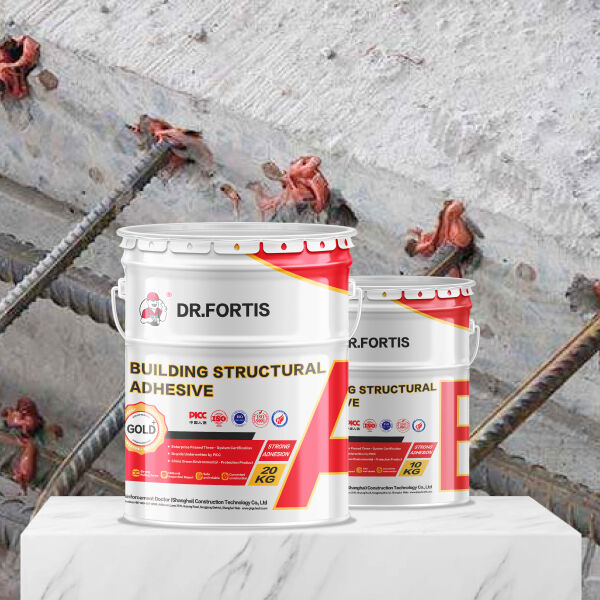
The construction and engineering industry has witnessed remarkable advancements in adhesive technology, with planting glue emerging as a game-changing solution for structural applications. This specialized adhesive system has revolutionized how professionals approach concrete anchoring, rebar installation, and structural reinforcement projects. Unlike conventional adhesives that often fall short in demanding construction environments, planting glue delivers superior performance characteristics that meet the rigorous demands of modern infrastructure projects.
Understanding Planting Glue Technology
Chemical Composition and Properties
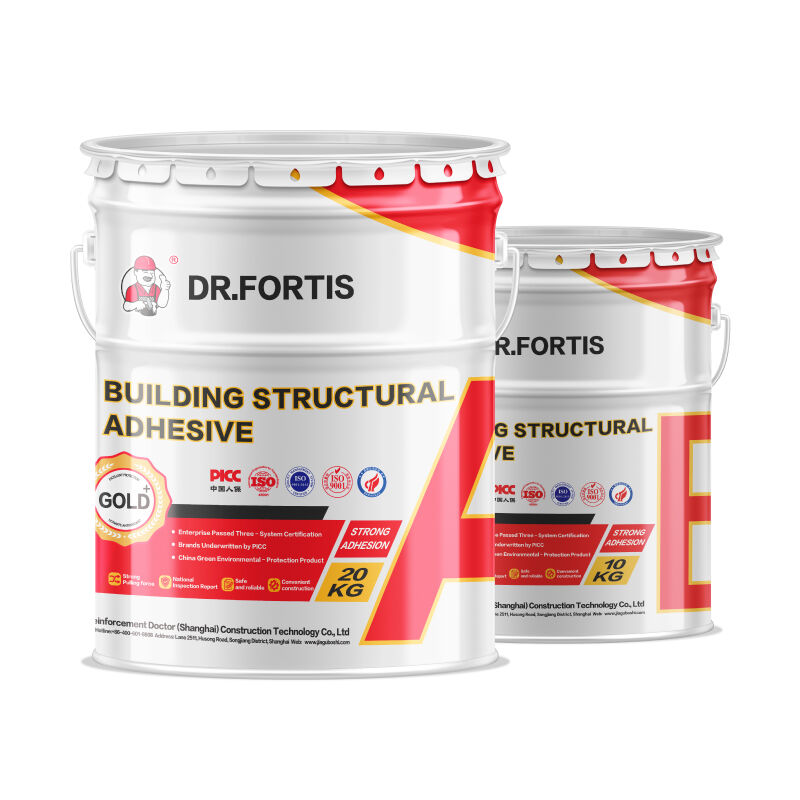
Modern planting glue formulations typically consist of epoxy-based or polyester resins combined with advanced hardening agents and performance additives. These components work synergistically to create an adhesive matrix that exhibits exceptional bond strength, chemical resistance, and durability under extreme conditions. The molecular structure of these adhesives allows for optimal penetration into concrete substrates while maintaining flexibility to accommodate thermal expansion and structural movement.
The viscosity characteristics of quality planting glue products are carefully engineered to ensure proper flow and filling of drilled holes while preventing excessive dripping or waste. This thixotropic behavior means the adhesive flows easily during application but maintains its position once installed, creating consistent and reliable bonds across various installation angles and orientations.
Performance Characteristics
The performance profile of planting glue significantly surpasses traditional mechanical fastening systems in numerous critical areas. Load-bearing capacity, pull-out resistance, and shear strength values consistently exceed industry standards for structural applications. These adhesives demonstrate remarkable resistance to environmental factors including moisture, temperature fluctuations, chemical exposure, and seismic activity.
Curing times for modern planting glue formulations have been optimized to balance working time with productivity requirements. Fast-setting variants can achieve handling strength within hours, while standard formulations provide extended working times for complex installations while still reaching full cure strength within 24-48 hours under normal conditions.
Traditional Adhesive Systems Comparison
Mechanical Fastening Methods
Traditional mechanical anchoring systems rely on expansion mechanisms, undercut geometries, or interference fits to achieve holding power. While these methods have served the construction industry for decades, they present inherent limitations in terms of load distribution, installation precision, and long-term reliability. Mechanical anchors concentrate stress at specific points, potentially leading to concrete cracking or premature failure under dynamic loading conditions.
The installation process for mechanical anchors often requires precise torque specifications, specialized tools, and extensive quality control measures to ensure proper performance. Variations in concrete strength, hole preparation, or installation technique can significantly impact the final holding capacity, making mechanical systems less predictable than chemical anchoring alternatives.
Conventional Chemical Anchors
Earlier generations of chemical anchoring systems, while offering improvements over mechanical methods, still exhibited limitations in terms of temperature sensitivity, mixing requirements, and application complexity. Many traditional chemical anchors required manual mixing of two-component systems, introducing potential for mixing errors and inconsistent performance. Temperature restrictions often limited installation windows and required additional precautions in extreme weather conditions.
Conventional systems also struggled with consistent performance in wet or contaminated holes, requiring extensive preparation procedures and specialized cleaning techniques. The shelf life and storage requirements of these earlier formulations presented logistical challenges for contractors and reduced overall project efficiency.
Advantages of Modern Planting Glue
Superior Bond Strength
The bond strength achieved with quality planting glue systems consistently exceeds that of traditional anchoring methods across a wide range of base materials and environmental conditions. This enhanced performance stems from the adhesive's ability to create intimate molecular contact with the substrate surface, distributing loads uniformly across the entire bond area rather than concentrating stress at discrete points.
Testing data demonstrates that properly installed planting glue connections can achieve pull-out values approaching the tensile strength of the embedded reinforcement itself. This level of performance provides engineers with greater design flexibility and allows for more efficient use of materials while maintaining required safety factors.
Installation Efficiency
The installation process for planting glue systems has been streamlined through advances in packaging, dispensing equipment, and application techniques. Pre-packaged cartridge systems eliminate mixing errors while automated dispensing equipment ensures consistent material placement and reduces waste. The self-leveling properties of modern formulations minimize the need for precise positioning during installation.
Reduced preparation requirements compared to traditional systems translate directly into labor savings and shortened project timelines. The ability to install multiple anchors simultaneously, combined with faster curing times, allows contractors to achieve higher productivity rates while maintaining quality standards.
Application Considerations and Best Practices
Substrate Preparation Requirements
Proper substrate preparation remains critical for optimal planting glue performance, though requirements are generally less stringent than those for traditional systems. Hole cleaning procedures should remove all loose debris, dust, and water while ensuring the drilled geometry meets specification requirements. The use of appropriate cleaning tools and compressed air helps achieve the clean, dry conditions necessary for maximum bond development.
Surface condition assessment becomes particularly important when working with older concrete structures where carbonation, contamination, or previous coating applications may affect adhesive performance. Pre-installation testing and surface preparation verification help ensure consistent results across varying substrate conditions.
Environmental Factors
Modern planting glue formulations demonstrate excellent performance across extended temperature ranges, humidity conditions, and exposure environments. However, understanding the specific limitations and requirements of selected products ensures optimal results in challenging conditions. Cold weather installations may require heating provisions or cold-cure formulations, while hot weather applications benefit from temperature-resistant variants.
Moisture management becomes particularly critical in below-grade or marine applications where ongoing water exposure is expected. Specialized waterproof formulations of planting glue provide reliable performance even in continuously wet conditions, offering significant advantages over traditional anchoring systems that may suffer from corrosion or degradation.
Economic and Long-term Performance Benefits
Cost-Effectiveness Analysis
While the initial material cost of planting glue systems may exceed that of basic mechanical anchors, the total installed cost typically favors chemical anchoring when labor, equipment, and reliability factors are considered. Reduced installation time, lower rejection rates, and decreased callback incidents contribute to overall project economy and improved profitability for contractors.
The superior load capacity of planting glue connections often allows for reduced anchor quantities or smaller reinforcement sizes, creating additional material savings that offset higher adhesive costs. Design optimization opportunities become possible when engineers can rely on the consistent high performance of chemical anchoring systems.
Maintenance and Durability
Long-term performance data demonstrates exceptional durability for properly installed planting glue systems, with minimal degradation observed even after decades of service in demanding environments. The chemical bond created by these adhesives remains stable over time, unlike mechanical systems that may loosen due to vibration, thermal cycling, or material fatigue.
Reduced maintenance requirements and extended service life contribute to lower life-cycle costs and improved structure reliability. The ability of planting glue systems to maintain performance without periodic re-tensioning or adjustment provides significant operational advantages for critical infrastructure applications.
FAQ
What makes planting glue superior to traditional mechanical anchors?
Planting glue creates a chemical bond that distributes loads uniformly across the entire contact area, unlike mechanical anchors that concentrate stress at specific points. This results in higher load capacity, reduced concrete cracking risk, and improved long-term reliability. Additionally, chemical anchoring eliminates the expansion forces that can damage substrates and provides consistent performance regardless of installation orientation.
How long does planting glue take to cure and reach full strength?
Curing times vary depending on the specific formulation, temperature, and humidity conditions. Fast-setting planting glue products typically achieve handling strength within 2-4 hours and reach full cure strength within 24 hours at normal temperatures. Standard formulations may require 12-24 hours for handling strength and 48-72 hours for complete curing. Cold weather conditions extend these timeframes while elevated temperatures accelerate the curing process.
Can planting glue be used in wet conditions or underwater applications?
Specialized waterproof formulations of planting glue are designed specifically for wet conditions and can even cure underwater. These products displace water from the installation area and create reliable bonds despite moisture presence. However, standard formulations require dry conditions for optimal performance, making proper product selection critical for challenging environmental applications.
What are the temperature limitations for planting glue installations?
Most planting glue products perform well within temperature ranges from -20°C to +80°C (-4°F to +176°F), though specific formulations may extend these limits. Installation temperature affects curing time and working life, with cold conditions slowing the process and hot conditions accelerating it. Special cold-cure and high-temperature formulations are available for extreme conditions, ensuring reliable performance across virtually any climate zone.