 EN
EN
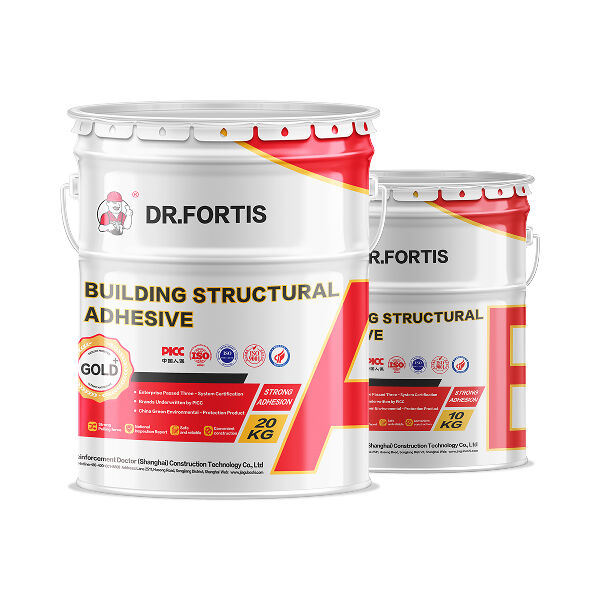
Construction and DIY enthusiasts are constantly seeking reliable bonding solutions that can withstand demanding conditions while providing exceptional adhesive strength. Among the various specialized adhesives available in the market today, planting glue has emerged as a versatile and powerful option for both professional contractors and dedicated DIY enthusiasts. This structural adhesive offers unique properties that make it particularly suitable for heavy-duty applications where traditional bonding methods may fall short. Understanding the diverse applications and benefits of this specialized adhesive can significantly enhance the quality and durability of your construction projects, whether you're working on home improvements or tackling more complex structural modifications.
Understanding Structural Adhesive Applications
Chemical Composition and Performance Characteristics
The formulation of planting glue typically incorporates high-strength polymers and specialized curing agents that create exceptional bond strength once properly applied. These adhesives are engineered to cure under various environmental conditions, making them suitable for both indoor and outdoor applications. The chemical structure allows for excellent adhesion to multiple substrate materials, including concrete, masonry, steel, and various composite materials commonly found in construction projects.
Temperature resistance represents another crucial characteristic of quality structural adhesives, as they must maintain their bonding integrity across a wide range of environmental conditions. Most professional-grade formulations can withstand temperatures ranging from negative twenty degrees Celsius to over one hundred degrees Celsius without significant degradation in performance. This thermal stability makes them particularly valuable for applications exposed to seasonal temperature variations or mechanical stress that generates heat.
Curing Process and Application Timing
The curing mechanism of structural adhesives involves a complex chemical reaction that transforms the liquid adhesive into a solid, durable bond. Initial setting typically occurs within minutes of application, but full cure strength development may require several hours to achieve maximum performance characteristics. Understanding this timing is crucial for project planning and ensuring optimal results in your DIY applications.
Environmental factors such as humidity, temperature, and substrate moisture content can significantly influence the curing process and final bond strength. Proper surface preparation and optimal application conditions are essential for achieving the manufacturer's specified performance parameters. Working within recommended temperature ranges and ensuring adequate ventilation during the curing process will help maximize the effectiveness of your adhesive installation.
Concrete Anchor Installation Projects
Securing Heavy Equipment and Fixtures
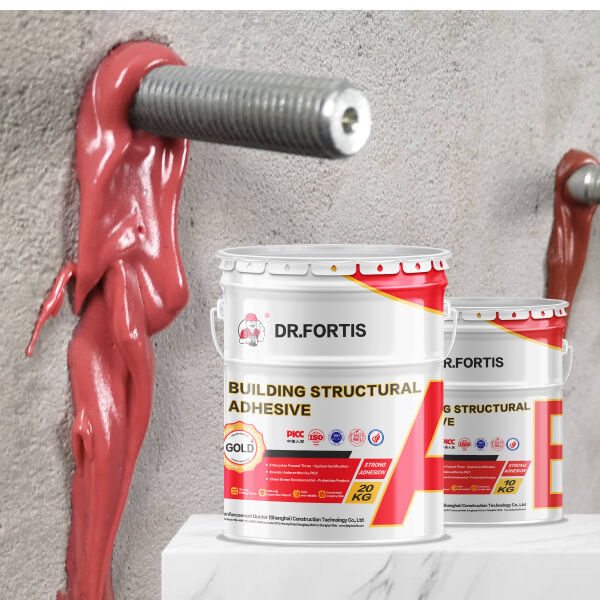
Installing concrete anchors for heavy equipment represents one of the most demanding applications for structural adhesives in DIY projects. Whether you're mounting industrial shelving systems, securing HVAC equipment, or installing heavy machinery foundations, planting glue provides the exceptional holding power required for these critical installations. The adhesive creates a chemical bond with the concrete substrate that often exceeds the strength of mechanical fasteners alone.
Proper hole preparation is essential for achieving optimal anchor performance, requiring precise drilling to manufacturer specifications and thorough cleaning to remove all debris and dust. The adhesive must completely surround the anchor rod and fill any voids to ensure maximum contact area and load distribution. This comprehensive bonding approach creates a secure attachment point capable of withstanding significant static and dynamic loads over extended periods.
Structural Reinforcement Applications
Reinforcing existing concrete structures represents another valuable application where structural adhesives demonstrate their versatility and effectiveness. Crack repair, joint sealing, and surface bonding applications benefit significantly from the gap-filling properties and high bond strength characteristics of quality adhesive formulations. These reinforcement projects often extend the service life of concrete structures while improving their load-bearing capacity.
Surface preparation for reinforcement applications requires careful attention to concrete condition, moisture content, and contamination removal. The adhesive must penetrate into the concrete pores to create a mechanical bond while simultaneously forming chemical bonds with the substrate surface. This dual bonding mechanism provides exceptional long-term performance even under challenging environmental conditions including freeze-thaw cycles and chemical exposure.
Steel Connection and Fabrication Work
Joining Dissimilar Materials
Modern construction projects frequently require joining steel components to concrete, masonry, or composite materials where traditional welding or mechanical fastening methods may not be feasible or optimal. Planting glue excels in these applications by providing strong, durable bonds between dissimilar materials while accommodating thermal expansion differences and structural movement. This capability makes it particularly valuable for retrofit projects and structural modifications where maintaining existing structural integrity is crucial.
The adhesive's ability to distribute stress over a larger area compared to point loading from mechanical fasteners results in more efficient load transfer and reduced stress concentrations. This characteristic is especially important when connecting steel elements to brittle materials like concrete or masonry, where point loads could cause cracking or local failure. The flexible nature of cured adhesive also helps accommodate minor structural movements without compromising bond integrity.
Corrosion Prevention Benefits
Steel connections made with structural adhesives often demonstrate superior corrosion resistance compared to traditional mechanical fastening methods. The adhesive creates a continuous seal around the connection point, preventing moisture infiltration and reducing galvanic corrosion potential between dissimilar metals. This protective characteristic extends the service life of steel connections and reduces long-term maintenance requirements.
Chemical compatibility between the adhesive and protective coatings applied to steel surfaces ensures that corrosion protection systems work synergistically rather than in conflict. Many structural adhesives are formulated to bond effectively with painted or coated steel surfaces, eliminating the need for coating removal during installation. This compatibility streamlines the installation process while maintaining comprehensive corrosion protection throughout the connection area.
Masonry and Stone Work Applications
Natural Stone Installation Projects
Installing natural stone elements in residential and commercial projects requires adhesives capable of handling the unique challenges presented by porous, irregular surfaces and significant material weight. Structural adhesives provide excellent gap-filling capabilities that accommodate variations in stone thickness and surface irregularities while maintaining consistent bond strength across the entire installation area. This versatility makes them ideal for countertop installations, stone veneer applications, and decorative architectural elements.
The non-staining characteristics of quality structural adhesives ensure that light-colored or translucent stone materials maintain their aesthetic appeal without discoloration or bleeding through the stone surface. UV stability prevents degradation of exposed adhesive joints, maintaining both structural integrity and visual appearance over extended exposure periods. These properties are particularly important for exterior stone installations where weather exposure and temperature cycling create demanding service conditions.
Brick and Block Reconstruction
Repairing and reinforcing existing masonry structures often requires adhesive solutions that can bond effectively with aged materials while providing modern performance standards. Structural adhesives penetrate into the porous structure of brick and concrete block, creating mechanical interlocking that supplements chemical bonding for maximum holding power. This combination is particularly effective for repointing applications and structural crack repair where long-term durability is essential.
Flexibility characteristics of properly formulated structural adhesives allow masonry repairs to accommodate normal building movement and thermal cycling without cracking or bond failure. This elasticity is crucial for maintaining weatherproof seals and preventing water infiltration that could cause freeze-thaw damage or additional structural deterioration. The self-leveling properties of some formulations also simplify application in vertical and overhead positions common in masonry repair work.
Composite Material Bonding
Fiberglass and Polymer Applications
The growing use of composite materials in construction and renovation projects creates new bonding challenges that structural adhesives are uniquely positioned to address. Fiberglass reinforced plastics, carbon fiber components, and advanced polymer materials often cannot be effectively joined using traditional mechanical fasteners without risking material damage or performance degradation. Structural adhesives provide uniform stress distribution while maintaining the lightweight characteristics that make composite materials attractive for many applications.
Chemical compatibility between structural adhesives and various polymer matrices ensures reliable long-term performance without degradation of either the adhesive or the composite material. This compatibility extends to thermal expansion characteristics, where matched expansion coefficients prevent internal stresses that could compromise bond integrity over temperature cycles. Understanding these material interactions is crucial for successful composite bonding applications in demanding service environments.
Hybrid Construction Techniques
Modern construction increasingly incorporates hybrid techniques that combine traditional materials with advanced composites to optimize performance characteristics while controlling costs. Structural adhesives enable these innovative approaches by providing reliable bonds between materials with vastly different physical and chemical properties. These hybrid assemblies often achieve performance levels that exceed what either material could provide independently.
Design flexibility afforded by adhesive bonding allows for complex geometries and material combinations that would be difficult or impossible to achieve using mechanical fastening methods alone. The ability to create continuous bonds over large areas distributes loads more effectively while reducing stress concentrations that could lead to premature failure. This design freedom enables innovative solutions for challenging construction problems while maintaining structural reliability and code compliance.
Specialized Repair and Retrofit Applications
Infrastructure Rehabilitation Projects
Aging infrastructure presents unique challenges where structural adhesives provide cost-effective solutions for extending service life and improving performance without major reconstruction. Bridge deck repairs, parking structure reinforcement, and building envelope restoration projects benefit from the rapid installation and immediate load-bearing capacity that quality adhesives provide. These applications often require working within tight time constraints while maintaining traffic flow or building occupancy.
The ability to cure under adverse conditions makes structural adhesives particularly valuable for emergency repairs where weather protection may be limited. Cold weather formulations maintain workability and achieve full cure strength even in sub-freezing temperatures, while rapid-setting variants can restore structural capacity within hours of application. This versatility ensures that critical repairs can be completed safely and effectively regardless of environmental conditions.
Seismic Retrofitting and Strengthening
Earthquake preparedness increasingly requires retrofitting existing structures to meet current seismic codes and performance standards. Structural adhesives play a crucial role in these upgrades by enabling the addition of reinforcement elements without compromising existing structural integrity. Steel plate bonding, fiber reinforced polymer installation, and connection strengthening applications rely on the superior bond strength and ductility characteristics of advanced adhesive formulations.
Dynamic loading conditions present unique challenges where the fatigue resistance and energy absorption capabilities of structural adhesives provide significant advantages over rigid connection methods. The ability to maintain bond integrity under repeated loading cycles while accommodating structural movement makes adhesive connections particularly suitable for seismic applications. Proper surface preparation and adhesive selection ensure that these critical safety improvements perform reliably throughout their intended service life.
FAQ
What is the typical cure time for structural planting adhesive
Most structural planting adhesives achieve initial set within 15-30 minutes at room temperature, allowing for immediate light loading. However, full cure strength typically develops over 24-48 hours depending on temperature, humidity, and adhesive thickness. Cold weather can extend cure times significantly, while elevated temperatures may accelerate the process. Always follow manufacturer specifications for your specific application and environmental conditions.
Can structural adhesive be used in wet conditions
Many modern structural adhesives are formulated to cure in damp conditions, though standing water should be removed before application. Some specialized formulations can actually displace moisture and cure underwater, making them suitable for emergency repairs or marine applications. However, optimal bond strength is typically achieved when surfaces are clean and dry before adhesive application.
How much weight can properly installed adhesive anchors support
Load capacity depends on multiple factors including adhesive type, anchor size, concrete strength, and installation quality. Properly installed chemical anchors can achieve holding values equal to or exceeding mechanical anchors of similar size. Typical applications range from a few hundred pounds for light fixtures to tens of thousands of pounds for heavy equipment installations. Always consult engineering specifications and local building codes for critical applications.
What safety precautions are necessary when working with structural adhesives
Always work in well-ventilated areas and wear appropriate personal protective equipment including gloves, safety glasses, and respiratory protection when recommended. Many structural adhesives contain chemicals that can cause skin or eye irritation, and some generate vapors during curing. Read and follow all manufacturer safety data sheets, and ensure adequate ventilation during application and initial cure periods to prevent exposure to potentially harmful vapors.