 EN
EN
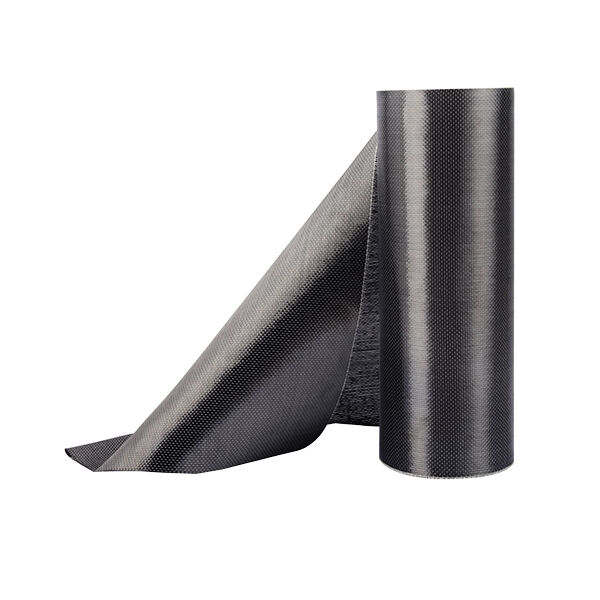
Working with 300g carbon fiber cloth requires precision, proper technique, and understanding of material properties to achieve optimal results. This versatile reinforcement material has become increasingly popular in aerospace, automotive, marine, and industrial applications due to its exceptional strength-to-weight ratio and structural integrity. Professional fabricators and engineers rely on proven methodologies when handling 300g carbon fiber cloth to ensure consistent quality and performance in their composite structures.
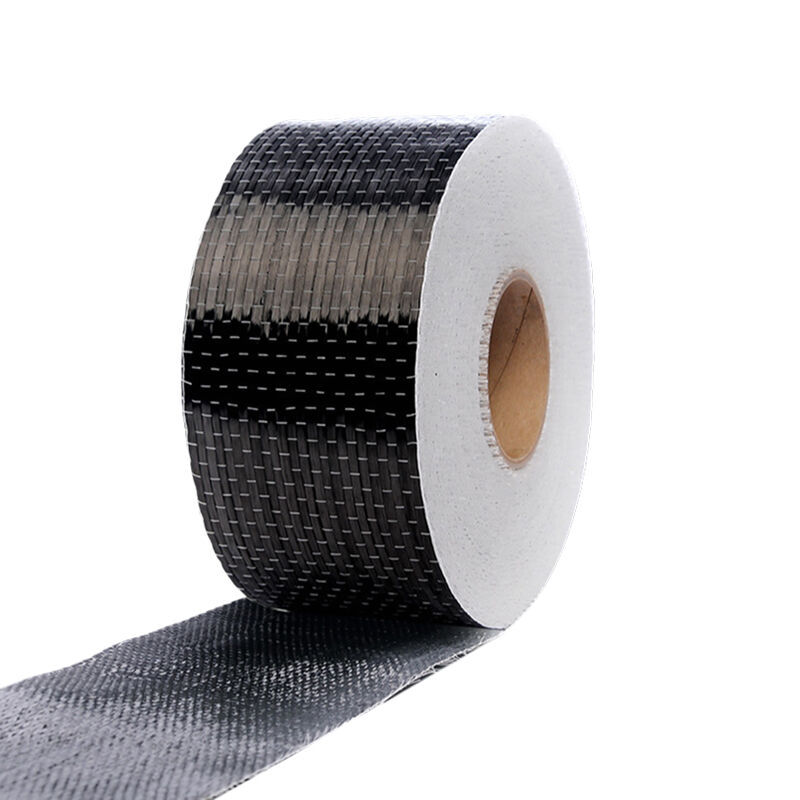
The success of any carbon fiber project begins with proper material selection and preparation. Understanding the specific characteristics of 300g carbon fiber cloth enables fabricators to make informed decisions about layup schedules, resin systems, and processing parameters. This weight specification indicates the fabric weighs 300 grams per square meter, positioning it as a medium-weight option suitable for various structural applications where balance between strength and workability is essential.
Material Preparation and Storage
Proper Storage Conditions
Maintaining optimal storage conditions for 300g carbon fiber cloth is fundamental to preserving its structural properties and workability. The fabric should be stored in a clean, dry environment with controlled temperature and humidity levels. Excessive moisture can compromise the fiber-matrix interface during lamination, while temperature fluctuations may cause dimensional instability in the weave pattern.
Professional facilities typically maintain storage areas between 65-75°F with relative humidity below 50%. The carbon fiber cloth should be kept in its original packaging until ready for use, protecting it from dust, oils, and other contaminants that could interfere with resin bonding. Proper labeling systems ensure material traceability and help maintain quality control throughout the fabrication process.
Pre-Cutting and Pattern Layout
Efficient pattern layout maximizes material utilization while ensuring optimal fiber orientation for the intended application. When working with 300g carbon fiber cloth, careful consideration of the weave direction relative to primary load paths is essential. Most applications benefit from aligning the warp and weft directions with the principal stress directions in the finished component.
Sharp cutting tools specifically designed for carbon fiber prevent fraying and maintain clean edges. Rotary cutters, carbon fiber scissors, or ultrasonic cutting systems provide superior results compared to standard fabric shears. Marking the fabric with washable markers or templates helps maintain accuracy during the cutting process while avoiding permanent contamination of the material surface.
Resin System Selection and Compatibility
Epoxy Resin Systems
Epoxy resins represent the most common choice for 300g carbon fiber cloth applications due to their excellent adhesion, chemical resistance, and mechanical properties. The selection of an appropriate epoxy system depends on factors including cure temperature, pot life, viscosity, and end-use requirements. Room temperature curing systems offer convenience for small-scale projects, while elevated temperature cure systems typically provide superior mechanical properties.
Proper resin-to-hardener ratios must be maintained according to manufacturer specifications to ensure complete cure and optimal performance. Many fabricators prefer using digital scales for accurate measurement, particularly when working with small batches. The working time of mixed resin should align with the lamination schedule to prevent premature gelation during the layup process.
Alternative Resin Options
Vinyl ester and polyester resins provide cost-effective alternatives for certain 300g carbon fiber cloth applications, particularly in marine and chemical processing environments. These resin systems offer excellent corrosion resistance and are often preferred for tank linings, chemical containment, and marine hull construction. However, they typically exhibit lower mechanical properties compared to epoxy systems.
Phenolic resins excel in high-temperature applications where fire resistance is critical. While more challenging to process due to their higher viscosity and shorter pot life, phenolic systems provide exceptional thermal stability and low smoke generation. Understanding the compatibility between the chosen resin system and 300g carbon fiber cloth ensures optimal wet-out and mechanical performance.
Layup Techniques and Best Practices
Hand Layup Methods
Hand layup remains the most versatile method for working with 300g carbon fiber cloth, offering excellent control over fiber placement and resin distribution. The process begins with applying a thin coat of resin to the mold surface, followed by careful placement of the carbon fiber cloth. Proper wetting technique involves working resin through the fabric using specialized rollers or squeegees to eliminate air bubbles and ensure complete saturation.
Consolidation pressure during hand layup significantly affects the final composite quality. Insufficient pressure results in high void content and reduced mechanical properties, while excessive pressure can displace resin and create resin-starved areas. Experienced fabricators develop a feel for appropriate pressure levels, often confirmed through sectioning and microscopic analysis of test panels.
Vacuum Bagging Processes
Vacuum bagging enhances the quality of 300g carbon fiber cloth laminates by providing uniform consolidation pressure and removing trapped air. The process involves sealing the layup in a vacuum bag and drawing out air to create atmospheric pressure against the laminate. This technique typically produces composites with lower void content, higher fiber volume fractions, and improved mechanical properties compared to hand layup alone.
Proper bag sealing is critical for maintaining vacuum integrity throughout the cure cycle. High-temperature sealant tapes and vacuum bag films must be compatible with the chosen resin system and cure temperature. Breather fabrics and release films facilitate air removal while preventing vacuum bag adherence to the laminate surface. Strategic placement of vacuum ports ensures uniform pressure distribution across complex geometries.
Quality Control and Testing
Visual Inspection Criteria
Comprehensive visual inspection forms the foundation of quality control for 300g carbon fiber cloth laminates. Trained inspectors examine the cured parts for surface defects, including dry spots, wrinkles, bridging, and delamination. Proper lighting conditions, typically involving diffuse lighting at various angles, reveal subtle surface irregularities that might otherwise go unnoticed.
Documentation of inspection findings enables trend analysis and process improvement. Digital photography with calibrated lighting provides permanent records of surface conditions, facilitating communication with customers and regulatory agencies. Many facilities implement statistical process control methods to track defect rates and identify opportunities for process optimization when working with 300g carbon fiber cloth.
Non-Destructive Testing Methods
Ultrasonic testing provides valuable insight into the internal structure of carbon fiber composites without compromising part integrity. C-scan techniques can detect delamination, porosity, and foreign inclusions within 300g carbon fiber cloth laminates. The testing frequency and probe selection depend on the laminate thickness and required resolution for defect detection.
Tap testing offers a quick, cost-effective method for identifying delamination and debonding in carbon fiber structures. Trained technicians use coin tapping or specialized tap hammers to listen for changes in acoustic response that indicate internal damage. This technique proves particularly useful for large structures where comprehensive ultrasonic inspection may be impractical or cost-prohibitive.
Common Processing Challenges
Fiber Wrinkling and Bridging
Wrinkling represents one of the most common challenges when working with 300g carbon fiber cloth, particularly on complex curved surfaces. The relatively heavy weight of this fabric can make it prone to forming wrinkles when draped over tight radii or deep draws. Proper fabric handling techniques, including strategic placement of darts and relief cuts, help minimize wrinkling while maintaining structural continuity.
Bridging occurs when the carbon fiber cloth fails to conform closely to surface details, creating gaps between the fabric and substrate. This phenomenon is particularly problematic in applications requiring precise surface finish or dimensional accuracy. Techniques such as vacuum forming, heated tooling, and specialized conforming tools help achieve intimate contact between 300g carbon fiber cloth and complex mold geometries.
Resin Distribution Issues
Achieving uniform resin distribution throughout 300g carbon fiber cloth requires careful attention to resin viscosity, application rate, and working techniques. Areas of excessive resin create heavy, resin-rich regions that compromise the strength-to-weight advantages of carbon fiber construction. Conversely, resin-starved areas exhibit poor mechanical properties and may serve as initiation sites for failure.
Temperature control during processing significantly affects resin flow characteristics and wet-out behavior. Many fabricators use heated molds or environmental chambers to optimize resin viscosity for improved penetration into the carbon fiber cloth. Understanding the relationship between temperature, time, and resin properties enables fabricators to develop robust processing parameters for consistent results.
Applications and Industry Usage
Aerospace Applications
The aerospace industry extensively utilizes 300g carbon fiber cloth for secondary structural components, interior panels, and fairings where moderate structural requirements exist. This weight classification provides an excellent balance between formability and strength for applications such as wing access panels, equipment bay doors, and cabin interior components. The material's consistent weave pattern facilitates predictable draping behavior over complex aerospace tooling.
Certification requirements in aerospace applications demand rigorous documentation of material properties, processing parameters, and quality control measures. Manufacturers must maintain detailed records of 300g carbon fiber cloth lot numbers, cure cycles, and inspection results to satisfy regulatory compliance. Many aerospace facilities implement statistical process control methods to monitor laminate quality and ensure consistency across production batches.
Automotive and Racing Industries
High-performance automotive applications increasingly rely on 300g carbon fiber cloth for body panels, aerodynamic components, and structural reinforcements. The automotive industry values the material's ability to reduce vehicle weight while maintaining structural integrity and crash performance. Racing applications particularly benefit from the rapid prototype capabilities and design flexibility offered by carbon fiber construction.
Manufacturing scalability becomes critical in automotive applications where production volumes exceed traditional aerospace requirements. Techniques such as resin transfer molding and compression molding enable efficient processing of 300g carbon fiber cloth in higher volume production scenarios. Process automation and quality control systems ensure consistent part quality while meeting demanding automotive cost targets.
FAQ
What is the difference between 200g and 300g carbon fiber cloth?
The primary difference lies in the weight per square meter and corresponding thickness. 300g carbon fiber cloth is approximately 50% heavier than 200g cloth, providing increased structural capability at the cost of additional weight and material expense. The heavier fabric typically offers better handling characteristics and improved conformability to complex surfaces, making it suitable for applications requiring moderate structural performance. However, 200g cloth may be preferred for weight-critical applications or when multiple thin layers are desired for optimal laminate design.
How many layers of 300g carbon fiber cloth are needed for structural applications?
The number of layers depends on the specific load requirements, safety factors, and design criteria for the application. Structural applications typically require multiple layers with varied fiber orientations to achieve optimal strength and stiffness properties. Most structural designs incorporate at least 3-5 layers of 300g carbon fiber cloth, though highly loaded components may require significantly more layers. Engineering analysis using composite design software helps determine the optimal layup schedule for specific loading conditions and performance requirements.
Can 300g carbon fiber cloth be used with vacuum infusion processes?
Yes, 300g carbon fiber cloth works well with vacuum infusion processes, though careful attention must be paid to resin flow patterns and infusion strategies. The relatively open weave of most 300g fabrics facilitates resin flow, but proper design of flow media and vacuum lines ensures complete wet-out without dry spots. Infusion pressures and resin viscosity must be optimized for the specific fabric and part geometry. Many fabricators conduct flow trials with representative parts to validate infusion strategies before production implementation.
What safety precautions are necessary when cutting carbon fiber cloth?
Cutting carbon fiber cloth generates fine particles that can irritate skin, eyes, and respiratory systems. Personal protective equipment should include safety glasses, dust masks or respirators, and long-sleeved clothing to minimize skin contact. Work areas should have adequate ventilation to remove airborne particles, and cutting surfaces should be cleaned regularly to prevent accumulation of carbon dust. Sharp cutting tools reduce fraying and particle generation compared to dull implements. Some facilities use vacuum systems or wet cutting methods to minimize dust generation during fabric preparation.