 EN
EN
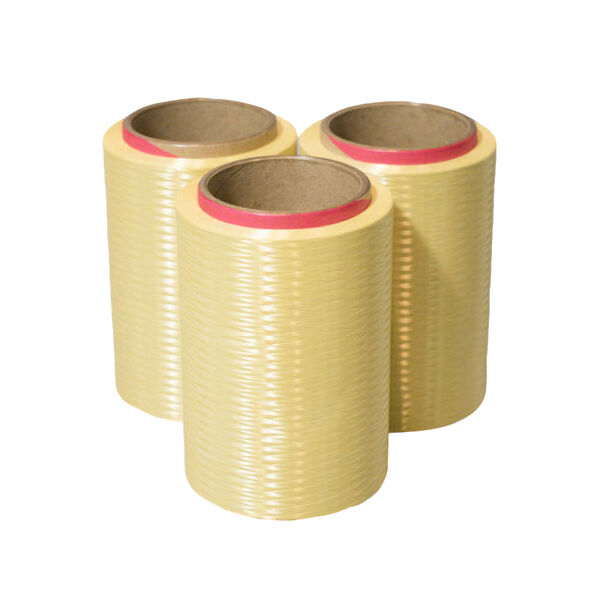
Aramid fiber cloth represents one of the most advanced textile materials available in modern industrial applications. This high-performance synthetic fabric offers exceptional strength-to-weight ratios, thermal resistance, and dimensional stability that make it indispensable across aerospace, automotive, military, and protective equipment industries. Understanding the proper handling techniques and best practices for working with aramid fiber cloth ensures optimal performance, longevity, and safety in your manufacturing processes.
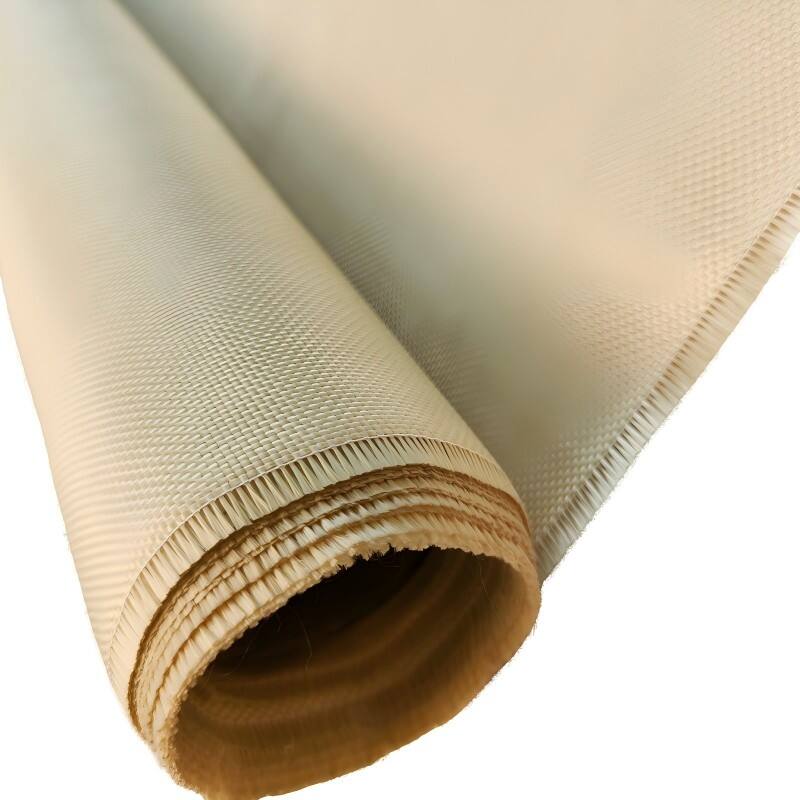
Working effectively with aramid fiber cloth requires comprehensive knowledge of its unique characteristics and material properties. The fabric's molecular structure provides remarkable tensile strength while maintaining flexibility, but these same properties demand specialized handling procedures. Professionals who master these techniques can unlock the full potential of aramid fiber cloth in their applications, achieving superior results while maintaining cost-effectiveness and production efficiency.
Material Properties and Characteristics
Structural Composition and Fiber Architecture
The fundamental structure of aramid fiber cloth consists of long-chain synthetic polymers characterized by highly oriented crystalline regions. These aromatic polyamide fibers exhibit exceptional molecular alignment, resulting in outstanding mechanical properties that distinguish aramid materials from conventional textiles. The fiber architecture typically features a skin-core morphology where the outer surface provides chemical resistance while the inner core delivers structural integrity.
Understanding the anisotropic nature of aramid fiber cloth proves crucial for optimal application performance. The material demonstrates significantly higher strength along the fiber direction compared to transverse properties, requiring careful consideration during pattern layout and cutting operations. This directional dependency influences how designers orient the fabric relative to primary load paths in finished components.
Thermal and Chemical Resistance Properties
Aramid fiber cloth maintains structural integrity across extreme temperature ranges, typically performing effectively from cryogenic conditions up to 400°C continuous exposure. This thermal stability makes the material invaluable for applications involving high-temperature environments, thermal barriers, and fire-resistant components. The glass transition temperature exceeds most processing requirements, ensuring dimensional stability during manufacturing operations.
Chemical resistance characteristics of aramid fiber cloth include excellent performance against most organic solvents, fuels, and hydraulic fluids commonly encountered in industrial applications. However, the material exhibits sensitivity to strong acids and bases, particularly under elevated temperature conditions. Understanding these chemical compatibility limits prevents premature degradation and ensures long-term performance reliability in service environments.
Storage and Handling Protocols
Environmental Control Requirements
Proper storage conditions significantly impact the performance and shelf life of aramid fiber cloth materials. Maintaining controlled humidity levels between 45-65% relative humidity prevents moisture absorption that can affect fiber properties and dimensional stability. Temperature control within moderate ranges, typically 15-25°C, ensures consistent material characteristics and prevents thermal cycling effects that might compromise fiber integrity.
Protection from ultraviolet radiation represents another critical storage consideration for aramid fiber cloth. Extended UV exposure can degrade the polymer matrix, reducing mechanical properties and causing discoloration. Storage facilities should minimize natural lighting exposure while providing adequate ventilation to prevent moisture accumulation and potential mold formation on organic sizing agents.
Material Handling Best Practices
Mechanical handling of aramid fiber cloth requires specialized techniques to prevent fiber damage and maintain material integrity. Sharp creases, excessive tension during unrolling, and contact with rough surfaces can create stress concentrations that propagate into failure points during service. Implementing proper lifting techniques using padded supports distributes loads evenly across the fabric width, preventing localized stress concentrations.
Contamination control during handling operations protects the aramid fiber cloth from oils, dust, and other substances that might interfere with subsequent processing steps. Clean work environments, appropriate personal protective equipment, and dedicated handling tools minimize contamination risks while ensuring worker safety during material manipulation activities.
Cutting and Fabrication Techniques
Precision Cutting Methods
Achieving clean, precise cuts in aramid fiber cloth demands specialized cutting tools and techniques adapted to the material's unique properties. Ultrasonic cutting systems provide excellent results by melting and sealing cut edges simultaneously, preventing fraying while maintaining dimensional accuracy. The high-frequency vibrations create localized heating that cleanly separates fibers without generating significant mechanical stress.
Traditional mechanical cutting approaches require extremely sharp blades maintained in optimal condition to prevent fiber pulling and edge distortion. Rotary cutters with fresh blades, heavy-duty scissors designed for technical textiles, and industrial cutting tables with appropriate support systems enable accurate pattern cutting. Regular blade replacement schedules ensure consistent cutting quality throughout production runs.
Pattern Layout and Optimization
Strategic pattern layout maximizes material utilization while optimizing structural performance in finished components. Aligning primary stress directions with the strongest fiber orientations in aramid fiber cloth ensures maximum load-carrying capability. Computer-aided design software helps visualize optimal nesting arrangements that minimize waste while maintaining required performance characteristics.
Consideration of fabric drape and conformability during pattern design prevents excessive stress concentrations in complex geometries. Aramid fiber cloth exhibits limited stretch properties compared to conventional textiles, requiring careful attention to corner radii, transition zones, and areas requiring three-dimensional forming. Strategic dart placement and seam positioning accommodate these material limitations while maintaining structural integrity.
Joining and Assembly Procedures
Adhesive Bonding Techniques
High-performance structural adhesives provide effective joining methods for aramid fiber cloth assemblies when properly selected and applied. Epoxy-based adhesive systems offer excellent compatibility with aramid fibers while providing durable bonds capable of withstanding service loads and environmental conditions. Surface preparation techniques, including light abrasion and solvent cleaning, enhance adhesive penetration and bond strength development.
Adhesive application methods must account for the porous nature of aramid fiber cloth and potential for excessive resin penetration. Controlled adhesive film weights, appropriate working times, and uniform pressure distribution during curing cycles ensure consistent bond line thickness and optimal strength properties. Temperature and humidity control during bonding operations prevents premature curing and ensures complete adhesive cross-linking.
Mechanical Fastening Solutions
Mechanical fastening systems provide removable connections and simplified assembly procedures for aramid fiber cloth components. Specialized fasteners designed for composite materials prevent fiber damage while providing reliable load transfer capabilities. Proper hole sizing, edge distance requirements, and fastener spacing prevent stress concentrations that could initiate failure modes.
Installation techniques for mechanical fasteners in aramid fiber cloth require careful attention to torque specifications and clamping loads. Excessive tightening can crush fibers and create stress concentrations, while insufficient preload allows joint movement and potential wear. Graduated tightening sequences and appropriate washer systems distribute loads evenly while maintaining joint integrity over extended service periods.
Quality Control and Inspection Methods
Visual Inspection Protocols
Systematic visual inspection procedures identify potential defects and quality issues in aramid fiber cloth before and after processing operations. Trained inspectors examine fabric surfaces under appropriate lighting conditions to detect fiber breaks, contamination, wrinkles, or other anomalies that might compromise performance. Standardized inspection criteria ensure consistency across production batches and different operators.
Documentation systems record inspection results and maintain traceability throughout the manufacturing process. Digital imaging capabilities capture defect locations and characteristics for quality analysis and process improvement initiatives. Rejection criteria based on defect size, frequency, and location help maintain consistent quality standards while minimizing unnecessary material waste.
Performance Testing Requirements
Mechanical testing programs verify that aramid fiber cloth materials meet specification requirements and performance expectations. Tensile testing, tear resistance evaluation, and dimensional stability measurements provide quantitative data on material properties. Testing protocols should follow established standards while accounting for the unique characteristics of aramid fiber materials.
Environmental conditioning prior to testing ensures that aramid fiber cloth properties reflect actual service conditions. Temperature and humidity exposure, UV radiation testing, and chemical compatibility evaluations help predict long-term performance characteristics. Statistical analysis of test results identifies trends and variations that might indicate process control issues or material quality concerns.
Safety Considerations and Protective Measures
Personal Protective Equipment Requirements
Working with aramid fiber cloth generates fine particles and dust that require appropriate respiratory protection to prevent inhalation exposure. High-efficiency particulate air filters in properly fitted respirators provide adequate protection during cutting, grinding, and machining operations. Eye protection prevents fiber particles from causing irritation or injury during handling and fabrication activities.
Skin protection through appropriate clothing and gloves prevents irritation from direct contact with aramid fiber cloth. The material's abrasive nature can cause mechanical irritation, particularly during extended handling operations. Chemical-resistant gloves provide additional protection when working with adhesives, solvents, or other processing chemicals commonly used with aramid materials.
Workplace Safety Protocols
Effective ventilation systems remove airborne particles and chemical vapors generated during aramid fiber cloth processing operations. Local exhaust ventilation at cutting stations, grinding areas, and adhesive application zones prevents accumulation of potentially harmful substances. Regular air quality monitoring ensures that exposure levels remain within acceptable limits for worker safety.
Emergency response procedures address potential incidents involving aramid fiber cloth materials and associated chemicals. First aid protocols for skin and eye contact, spill containment procedures, and fire safety measures specific to aramid materials ensure rapid and appropriate responses to workplace incidents. Regular safety training updates keep workers informed about proper procedures and emerging safety concerns.
Troubleshooting Common Issues
Addressing Delamination and Fiber Separation
Delamination issues in aramid fiber cloth applications often result from inadequate surface preparation, contamination, or processing parameter deviations. Identifying the root cause requires systematic analysis of materials, processes, and environmental conditions during fabrication. Surface analysis techniques can reveal contamination sources, while process monitoring helps identify parameter variations that contribute to adhesion failures.
Corrective actions for delamination problems typically involve improved cleaning procedures, enhanced surface preparation techniques, and tighter process controls. Implementing statistical process control methods helps identify trends before they result in quality issues. Regular training updates ensure that operators understand the critical factors affecting aramid fiber cloth bonding performance.
Managing Dimensional Stability Challenges
Dimensional changes in aramid fiber cloth components can result from moisture absorption, thermal cycling, or residual stresses from manufacturing processes. Understanding the coefficient of thermal expansion and moisture sensitivity helps predict dimensional behavior under service conditions. Proper conditioning procedures and environmental controls minimize these effects during processing and storage.
Compensation techniques for dimensional variations include strategic pattern adjustments, controlled environment processing, and post-fabrication stabilization treatments. Measurement and monitoring systems track dimensional changes throughout the manufacturing process, enabling early identification and correction of stability issues. Process optimization reduces sources of dimensional variation while maintaining required performance characteristics.
FAQ
What temperature ranges can aramid fiber cloth withstand during processing
Aramid fiber cloth typically maintains its structural integrity and processing characteristics within temperature ranges from -50°C to 200°C for most manufacturing operations. During composite processing, the material can withstand cure temperatures up to 180°C without significant property degradation. However, extended exposure above 300°C may begin to affect fiber properties, so processing parameters should be carefully controlled to prevent thermal damage while ensuring complete curing of matrix materials.
How should aramid fiber cloth be stored to maintain optimal properties
Proper storage of aramid fiber cloth requires controlled environmental conditions including temperature ranges of 15-25°C and relative humidity levels between 45-65%. The material should be stored in clean, dry facilities with protection from direct sunlight and UV radiation exposure. Storage areas should maintain good air circulation while preventing contamination from dust, oils, or chemical vapors. Rolled materials should be supported properly to prevent creasing or stress concentrations that could affect performance.
What cutting tools work best for aramid fiber cloth fabrication
Ultrasonic cutting systems provide the cleanest cuts for aramid fiber cloth by simultaneously cutting and sealing edges to prevent fraying. For manual operations, extremely sharp rotary cutters or heavy-duty scissors specifically designed for technical textiles deliver good results. Heated knife systems can also work effectively for certain applications. Regular blade maintenance and replacement ensure consistent cutting quality, as dull blades tend to pull fibers rather than cutting them cleanly.
Can aramid fiber cloth be machine washed or cleaned
Aramid fiber cloth generally should not be subjected to conventional machine washing due to its specialized surface treatments and potential for mechanical damage. Cleaning procedures should use appropriate solvents or mild detergent solutions applied manually with soft brushes or cloths. Avoid harsh chemicals, strong acids, or bases that could degrade the fiber structure. Any cleaning process should be validated through testing to ensure it doesn't affect the material's performance characteristics or dimensional stability.