 EN
EN
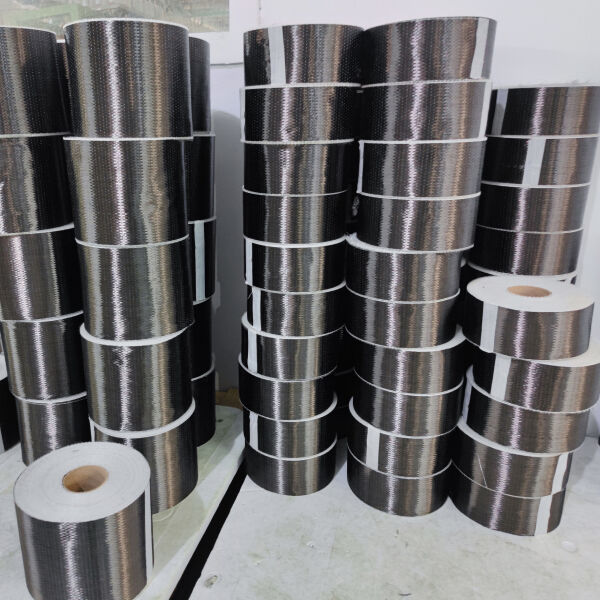
Aramid fiber cloth represents one of the most significant advances in high-performance textile materials, offering exceptional strength-to-weight ratios that have revolutionized industries from aerospace to protective equipment manufacturing. This synthetic polymer material, first developed in the 1960s, has become indispensable for applications requiring superior mechanical properties, thermal resistance, and long-term durability. The unique molecular structure of aramid fiber cloth creates extraordinary tensile strength while maintaining flexibility and processability, making it an ideal choice for demanding engineering applications where conventional materials fall short.
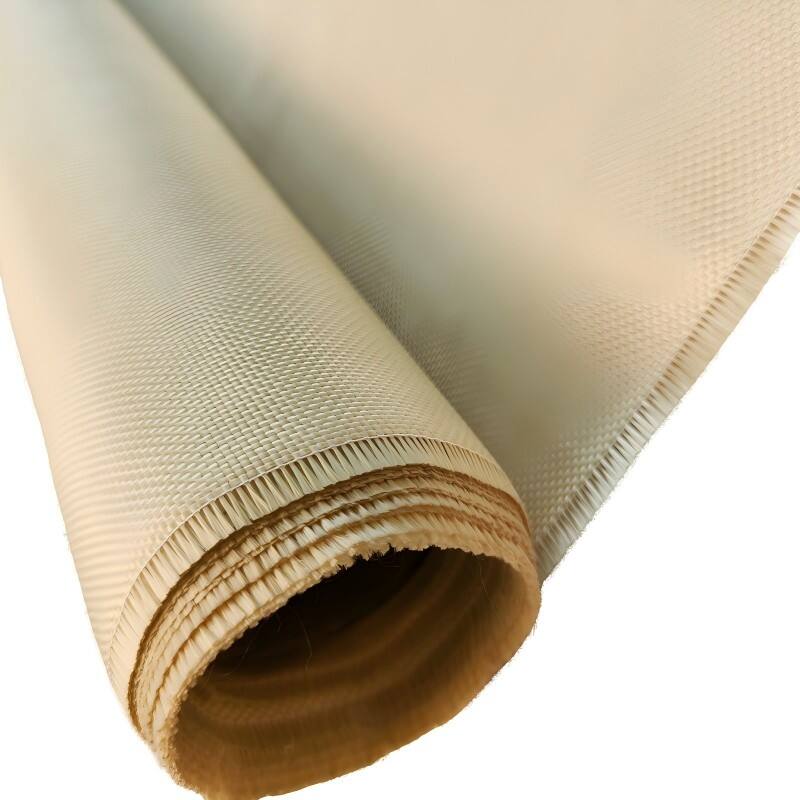
Understanding the Molecular Foundation of Aramid Fiber Cloth Strength
Chemical Structure and Bonding Mechanisms
The exceptional strength characteristics of aramid fiber cloth stem from its unique aromatic polyamide molecular structure, which creates rigid polymer chains held together by strong hydrogen bonds. These long-chain molecules align parallel to the fiber axis during manufacturing, resulting in crystalline regions that provide outstanding tensile strength. The aromatic rings in the polymer backbone resist rotation and maintain structural integrity under stress, while the amide linkages contribute to both flexibility and durability. This molecular arrangement allows aramid fiber cloth to achieve tensile strengths exceeding 3,000 MPa, which is approximately five times stronger than steel on a weight-for-weight basis.
The manufacturing process further enhances these inherent molecular properties through controlled spinning and drawing techniques that optimize fiber orientation. During wet spinning, the polymer solution undergoes precise temperature and chemical treatments that encourage proper molecular alignment, resulting in aramid fiber cloth with consistent mechanical properties throughout its structure. The degree of crystallinity achieved during processing directly influences the final strength characteristics, with higher crystalline content producing superior tensile properties and enhanced resistance to fatigue failure.
Tensile Strength Performance Characteristics
Aramid fiber cloth exhibits remarkable tensile strength properties that remain consistent across varying environmental conditions and loading scenarios. Standard testing protocols demonstrate that quality aramid fiber cloth can withstand ultimate tensile stresses ranging from 2,800 to 3,500 MPa, depending on the specific grade and weave pattern. This strength performance is maintained even at elevated temperatures up to 200°C, making aramid fiber cloth suitable for high-temperature structural applications where other materials would experience significant strength degradation.
The stress-strain behavior of aramid fiber cloth shows excellent linearity up to failure, indicating predictable performance under increasing loads. Unlike many composite materials that exhibit non-linear behavior at higher stress levels, aramid fiber cloth maintains proportional stress-strain relationships, allowing engineers to accurately predict performance in critical applications. The modulus of elasticity typically ranges from 60 to 130 GPa, providing excellent stiffness characteristics while retaining enough flexibility for complex forming operations during manufacturing processes.
Durability Properties and Long-Term Performance
Chemical Resistance and Environmental Stability
The durability of aramid fiber cloth extends beyond mechanical strength to encompass exceptional resistance to chemical degradation and environmental factors. This material demonstrates excellent stability when exposed to most organic solvents, oils, and industrial chemicals commonly encountered in manufacturing and service environments. The aromatic polyamide structure resists hydrolysis and oxidation better than many alternative high-performance fibers, ensuring long-term performance in challenging chemical environments where material degradation could compromise safety or functionality.
Laboratory testing and field experience confirm that aramid fiber cloth maintains its structural integrity when exposed to ultraviolet radiation, although prolonged exposure may cause gradual strength reduction over extended periods. Proper surface treatments and protective coatings can effectively mitigate UV degradation, allowing aramid fiber cloth to maintain optimal performance in outdoor applications for decades. The material also exhibits excellent resistance to microbial attack and does not support fungal or bacterial growth, making it suitable for applications in humid or marine environments where biological degradation poses risks to other materials.
Thermal Performance and Temperature Resistance
Aramid fiber cloth demonstrates outstanding thermal stability across a wide temperature range, maintaining structural integrity and mechanical properties at temperatures that would cause failure in conventional textile materials. The decomposition temperature exceeds 400°C, while useful mechanical properties are retained at continuous operating temperatures up to 200°C. This thermal performance makes aramid fiber cloth an excellent choice for applications involving heat exposure, such as industrial furnace components, automotive exhaust systems, and protective clothing for high-temperature work environments.
The low thermal conductivity of aramid fiber cloth provides excellent insulation properties while maintaining structural strength, creating opportunities for dual-function applications where both thermal protection and mechanical performance are required. The material exhibits minimal thermal expansion, ensuring dimensional stability across temperature cycles that could cause distortion or failure in other materials. These thermal characteristics, combined with inherent flame resistance, make aramid fiber cloth particularly valuable in fire protection applications and high-temperature industrial processes.
Versatility and Application Flexibility
Weaving Patterns and Structural Configurations
The versatility of aramid fiber cloth is significantly enhanced by the variety of weaving patterns and structural configurations available to match specific application requirements. Plain weave patterns provide balanced strength characteristics in both warp and weft directions, making them ideal for applications requiring omnidirectional strength properties. Twill weaves offer improved drapability and conformability for complex shaped components while maintaining excellent mechanical properties, particularly beneficial in aerospace composite manufacturing where complex geometries are common.
Unidirectional aramid fiber cloth configurations concentrate strength properties along a single axis, maximizing performance in applications where loading occurs primarily in one direction. These specialized weave patterns allow engineers to optimize material placement and orientation within composite structures, reducing weight while maximizing strength and stiffness where needed most. The ability to customize fabric architecture enables aramid fiber cloth to serve diverse applications ranging from ballistic protection panels to precision aerospace components requiring specific directional properties.
Processing and Manufacturing Adaptability
Manufacturing processes for aramid fiber cloth demonstrate remarkable adaptability to various production techniques and end-product requirements. The material can be successfully processed using conventional textile manufacturing equipment with minor modifications, allowing existing production facilities to incorporate aramid fiber cloth into their product lines without major capital investments. Resin transfer molding, vacuum infusion, and prepreg manufacturing processes all work effectively with aramid fiber cloth, providing manufacturers flexibility in choosing optimal production methods for their specific applications.
The compatibility of aramid fiber cloth with various matrix materials, including epoxy, polyester, and thermoplastic resins, expands processing options and enables optimization of composite properties for specific service conditions. Surface treatments can be applied to enhance adhesion with different matrix systems, ensuring strong interfacial bonds that maximize composite performance. This processing versatility allows aramid fiber cloth to be tailored for applications ranging from recreational sporting goods to critical aerospace components, each requiring different manufacturing approaches and performance characteristics.
Industrial Applications and Performance Benefits
Aerospace and Aviation Applications
The aerospace industry represents one of the largest consumers of aramid fiber cloth due to its exceptional strength-to-weight ratio and reliability in critical applications. Aircraft manufacturers utilize aramid fiber cloth in primary structural components including fuselage panels, wing skins, and control surfaces where weight reduction directly translates to improved fuel efficiency and payload capacity. The predictable mechanical properties and excellent fatigue resistance of aramid fiber cloth make it particularly suitable for components subjected to repeated loading cycles throughout aircraft service life.
In aviation applications, aramid fiber cloth provides superior damage tolerance compared to traditional materials, allowing aircraft structures to maintain integrity even after impact damage. This damage tolerance, combined with excellent vibration damping properties, contributes to improved passenger comfort and reduced maintenance requirements. The ability to detect damage through visual inspection makes aramid fiber cloth advantageous for aviation safety programs where regular structural assessments are mandatory for continued airworthiness certification.
Protective Equipment and Safety Applications
Personal protective equipment represents another major application area where the unique properties of aramid fiber cloth provide life-saving benefits. Ballistic protection vests and helmets manufactured from aramid fiber cloth offer superior protection-to-weight ratios, enabling extended wear periods without compromising user mobility or comfort. The high energy absorption capability of aramid fiber cloth during ballistic impact events provides effective protection while distributing impact forces across larger areas to minimize localized trauma.
Industrial safety applications also benefit from the thermal protection properties of aramid fiber cloth, particularly in manufacturing environments where workers face exposure to high temperatures, molten metals, or electrical hazards. The inherent flame resistance and excellent thermal insulation properties of aramid fiber cloth provide reliable protection without the bulk and weight penalties associated with traditional protective materials. These safety applications demonstrate the versatility of aramid fiber cloth in protecting human life while maintaining comfort and functionality required for effective job performance.
Future Developments and Technology Advances
Enhanced Processing Technologies
Ongoing research and development efforts continue to expand the capabilities and applications of aramid fiber cloth through improved processing technologies and manufacturing techniques. Advanced fiber spinning processes are being developed to create aramid fiber cloth with even higher strength properties and improved uniformity, while new surface treatment technologies enhance compatibility with emerging matrix materials and processing methods. These technological advances are opening new application possibilities where current aramid fiber cloth performance levels may be marginal but improved variants could provide optimal solutions.
Nanotechnology integration represents an exciting frontier for aramid fiber cloth enhancement, with research showing potential for incorporating carbon nanotubes and other nanoparticles to improve electrical conductivity, thermal properties, and mechanical performance. These hybrid materials maintain the fundamental advantages of aramid fiber cloth while adding new functionality for applications in electronics, sensors, and smart structural systems. The development of these advanced materials expands the potential applications of aramid fiber cloth into emerging technology sectors requiring multifunctional performance characteristics.
Sustainable Manufacturing and Recycling Initiatives
Environmental considerations are driving innovation in aramid fiber cloth manufacturing and end-of-life management, with new processes being developed to reduce environmental impact while maintaining performance standards. Solvent recycling systems and closed-loop manufacturing processes minimize waste generation and reduce the environmental footprint of aramid fiber cloth production. These sustainability initiatives are becoming increasingly important as industries seek to meet environmental regulations and corporate responsibility goals without compromising product performance.
Research into recycling technologies for aramid fiber cloth is advancing, with promising developments in chemical recycling processes that can recover usable fibers from end-of-life products. These recycling capabilities will extend the value proposition of aramid fiber cloth by reducing raw material requirements and providing sustainable disposal options for products reaching end-of-service life. The integration of sustainability considerations into aramid fiber cloth development ensures continued market growth while addressing environmental concerns associated with high-performance synthetic materials.
FAQ
How does aramid fiber cloth compare to carbon fiber in terms of strength and applications
Aramid fiber cloth offers superior impact resistance and damage tolerance compared to carbon fiber, making it preferable for applications requiring toughness and resistance to sudden loads or impacts. While carbon fiber typically provides higher stiffness and tensile strength, aramid fiber cloth excels in energy absorption and maintains structural integrity after damage. The choice between materials depends on specific application requirements, with aramid fiber cloth being preferred for safety-critical applications where impact resistance and damage tolerance are paramount, while carbon fiber is chosen for applications prioritizing maximum stiffness and strength-to-weight ratios.
What factors affect the long-term durability of aramid fiber cloth in service conditions
The long-term durability of aramid fiber cloth depends primarily on environmental exposure conditions, including temperature, UV radiation, chemical contact, and mechanical loading patterns. Prolonged exposure to temperatures above 200°C can gradually reduce strength properties, while UV radiation causes slow degradation that can be mitigated through protective coatings or surface treatments. Chemical compatibility with surrounding materials and proper installation techniques significantly influence service life, with properly designed and installed aramid fiber cloth systems typically providing decades of reliable service in appropriate applications.
Can aramid fiber cloth be repaired or reinforced after damage occurs
Aramid fiber cloth can often be repaired using standard composite repair techniques, including patch repairs and overwrap reinforcement methods. The key advantage of aramid fiber cloth in repair applications is its excellent damage visibility, allowing technicians to easily identify the extent of damage and plan appropriate repair procedures. Small damages can typically be repaired with adhesive-bonded patches, while larger damages may require mechanical fastening or complete section replacement. The repair procedures for aramid fiber cloth are well-established and widely accepted by regulatory authorities in critical applications such as aerospace structures.
What processing considerations are important when working with aramid fiber cloth
Processing aramid fiber cloth requires attention to several key factors including proper handling to prevent fiber damage, appropriate resin compatibility and cure schedules, and correct cutting and trimming techniques to prevent edge delamination. The material can be challenging to cut cleanly due to its high strength, requiring sharp tools and proper cutting techniques to achieve clean edges without fraying. Surface preparation and treatment may be necessary to optimize resin adhesion, while processing temperatures should be controlled to prevent degradation of the aramid fiber cloth properties during manufacturing operations.
Table of Contents
- Understanding the Molecular Foundation of Aramid Fiber Cloth Strength
- Durability Properties and Long-Term Performance
- Versatility and Application Flexibility
- Industrial Applications and Performance Benefits
- Future Developments and Technology Advances
-
FAQ
- How does aramid fiber cloth compare to carbon fiber in terms of strength and applications
- What factors affect the long-term durability of aramid fiber cloth in service conditions
- Can aramid fiber cloth be repaired or reinforced after damage occurs
- What processing considerations are important when working with aramid fiber cloth