 EN
EN
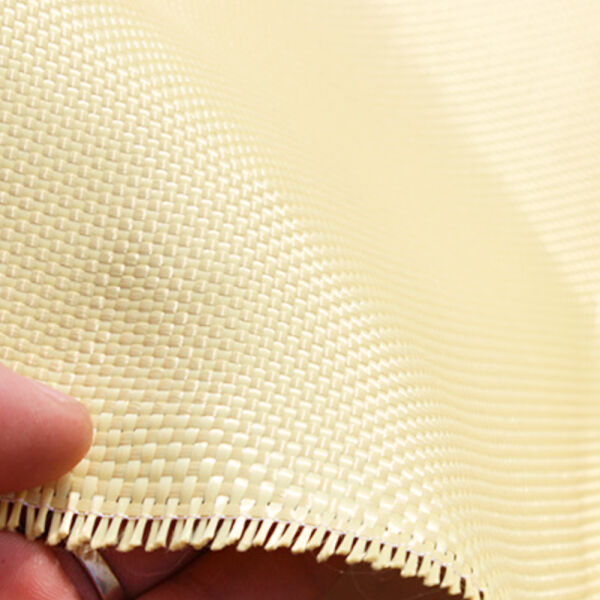
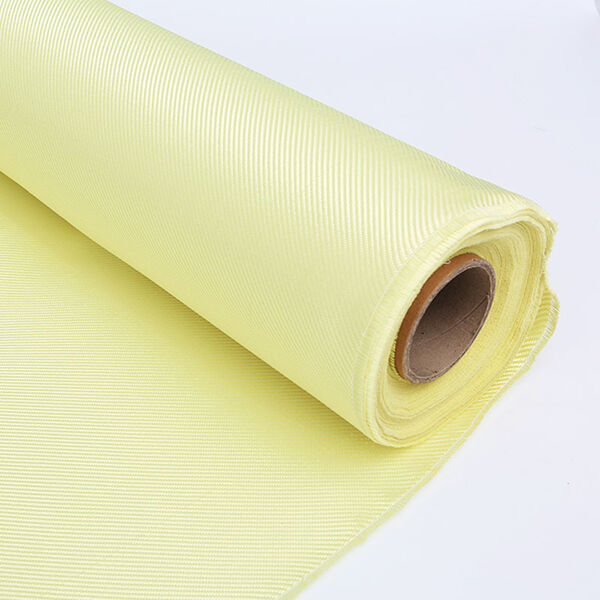
Working with reinforced carbon fiber cloth requires comprehensive understanding of safety protocols, proper handling techniques, and environmental considerations. This advanced composite material has revolutionized industries from aerospace to automotive manufacturing, offering exceptional strength-to-weight ratios and durability. However, the unique properties that make reinforced carbon fiber cloth so valuable also present specific safety challenges that must be addressed through proper training, equipment, and procedures.
Manufacturing professionals and engineers who work with reinforced carbon fiber cloth must navigate potential health hazards while maximizing the material's performance benefits. The microscopic carbon fibers can become airborne during cutting, sanding, or machining operations, creating respiratory risks if proper protective measures are not implemented. Understanding these risks and implementing comprehensive safety protocols ensures both worker protection and optimal project outcomes when handling this high-performance composite material.
Essential Personal Protective Equipment for Carbon Fiber Work
Respiratory Protection Systems
The most critical safety consideration when working with reinforced carbon fiber cloth involves protecting the respiratory system from microscopic carbon particles. These ultra-fine fibers can become airborne during mechanical processing and pose significant health risks if inhaled. Professional-grade respirators with HEPA filtration capabilities provide essential protection against carbon fiber particulates that standard dust masks cannot effectively filter.
Half-face respirators equipped with P100 filters offer reliable protection for most reinforced carbon fiber cloth applications, while full-face respirators provide additional eye protection in high-exposure environments. Powered air-purifying respirators represent the gold standard for extended work sessions, delivering filtered air under positive pressure to prevent contamination infiltration. Regular filter replacement schedules must be maintained according to manufacturer specifications to ensure consistent protection levels.
Proper respirator fit testing ensures optimal seal integrity and protection effectiveness. Workers should undergo annual fit testing to verify their assigned respirator models provide adequate facial seal characteristics. Emergency escape respirators should be readily accessible in work areas where unexpected exposure scenarios might develop during reinforced carbon fiber cloth processing operations.
Eye and Skin Protection Protocols
Carbon fiber particles can cause severe eye irritation and potential corneal damage, making comprehensive eye protection mandatory during all cutting, grinding, or sanding operations. Safety glasses with side shields provide basic protection, while full-face shields offer superior coverage for high-intensity machining applications. Anti-fog coatings and ventilation features help maintain clear vision throughout extended work periods with reinforced carbon fiber cloth.
Skin contact with carbon fiber particles can result in irritation, embedded splinters, and dermatitis reactions. Long-sleeved shirts, full-length pants, and closed-toe shoes create essential barriers between workers and airborne particles. Disposable coveralls provide additional protection in high-exposure environments, while chemical-resistant gloves prevent direct hand contact with both fibers and associated resin systems.
Regular clothing inspection and replacement schedules prevent contaminated garments from spreading carbon fiber particles to clean areas. Separate changing areas allow workers to remove contaminated clothing before entering break rooms or office spaces. Proper laundering procedures for reusable protective clothing ensure effective decontamination between work sessions.
Workspace Ventilation and Environmental Controls
Local Exhaust Ventilation Systems
Effective ventilation systems capture carbon fiber particles at their source, preventing widespread contamination throughout work areas. Local exhaust ventilation positioned near cutting, grinding, or sanding operations provides immediate particle capture before fibers become airborne. Downdraft tables equipped with HEPA filtration systems offer ideal solutions for precision work with reinforced carbon fiber cloth components.
Capture velocity requirements for carbon fiber applications typically exceed standard woodworking or metalworking specifications due to the lightweight nature of carbon particles. Minimum face velocities of 100 feet per minute at the work surface ensure adequate particle capture, while higher velocities may be necessary for aggressive machining operations. Regular airflow monitoring and filter maintenance preserve system effectiveness throughout operational periods.
Flexible ducting systems allow ventilation positioning adjustments for various reinforced carbon fiber cloth processing configurations. Articulating arms and adjustable hoods accommodate different workpiece sizes and orientations while maintaining optimal capture efficiency. Emergency shutdown capabilities enable rapid system deactivation during maintenance or emergency situations.
General Facility Air Management
Comprehensive facility ventilation strategies prevent carbon fiber particle accumulation in work areas and adjacent spaces. Negative pressure differentials between fabrication areas and clean zones prevent contamination migration through doorways and corridors. Air change rates of six to ten complete air exchanges per hour typically provide adequate dilution ventilation for reinforced carbon fiber cloth processing facilities.
Supply air filtration systems remove ambient particles and maintain consistent air quality throughout the facility. HEPA-filtered supply air prevents external contamination introduction while supporting positive pressure maintenance in critical areas. Temperature and humidity controls optimize working conditions while preventing condensation that could compromise filtration system performance.
Air monitoring systems provide real-time feedback on particle concentrations and ventilation system performance. Continuous monitoring capabilities enable immediate response to system failures or unexpected exposure events. Data logging systems maintain exposure records for regulatory compliance and trend analysis purposes.
Safe Cutting and Machining Techniques
Diamond Tool Applications
Diamond-coated cutting tools provide superior performance and reduced particle generation when processing reinforced carbon fiber cloth materials. These specialized tools maintain sharp cutting edges longer than conventional carbide alternatives, resulting in cleaner cuts and minimized fiber fraying. The reduced cutting forces required with diamond tooling decrease the likelihood of delamination and catastrophic fiber release during machining operations.
Proper cutting speeds and feed rates optimize diamond tool performance while minimizing heat generation that could compromise reinforced carbon fiber cloth integrity. Lower cutting speeds typically produce superior surface finishes and reduce thermal stress in both the material and cutting tools. Adequate coolant flow removes heat and particles from the cutting zone, extending tool life and improving cut quality.
Tool geometry considerations include rake angles, clearance angles, and edge preparation techniques specific to carbon fiber applications. Positive rake angles reduce cutting forces while negative rake angles provide increased edge strength for interrupted cuts. Proper tool maintenance schedules ensure consistent performance and prevent unexpected tool failures that could create safety hazards.
Water-Assisted Cutting Methods
Water-assisted cutting techniques significantly reduce airborne particle generation during reinforced carbon fiber cloth processing operations. Mist cooling systems provide adequate lubrication and particle suppression for most cutting applications, while flood cooling offers superior particle control for heavy machining operations. The water acts as both a coolant and a particle capture medium, preventing fibers from becoming airborne.
Proper drainage systems collect contaminated coolant for appropriate disposal or filtration. Settling tanks allow heavy particles to separate from water, while filtration systems remove fine particles for coolant recycling. Regular coolant testing ensures chemical compatibility with reinforced carbon fiber cloth and associated resin systems.
Corrosion prevention measures protect machine tools from extended water exposure. Stainless steel components and protective coatings prevent rust formation, while proper maintenance schedules ensure long-term equipment reliability. Emergency coolant shutoff capabilities prevent excessive water accumulation during system malfunctions.
Chemical Safety and Resin Handling
Epoxy Resin Safety Protocols
Epoxy resin systems commonly used with reinforced carbon fiber cloth present unique chemical hazards requiring specialized handling procedures. These thermosetting polymers contain reactive chemicals that can cause skin sensitization, respiratory irritation, and other health effects. Proper storage temperatures, mixing ratios, and application techniques ensure both worker safety and optimal curing characteristics.
Chemical-resistant gloves specifically rated for epoxy exposure provide essential hand protection during resin mixing and application operations. Nitrile and butyl rubber gloves offer good chemical resistance, while disposable gloves prevent cross-contamination between different resin systems. Double-gloving techniques provide additional protection during extended exposure periods with reinforced carbon fiber cloth applications.
Skin contact emergency procedures include immediate removal of contaminated clothing and thorough washing with soap and water. Eye contact requires immediate irrigation with clean water for at least fifteen minutes, followed by medical evaluation. Emergency eyewash stations and safety showers must be accessible within ten seconds of all resin handling areas.
Volatile Organic Compound Management
Many resin systems used with reinforced carbon fiber cloth release volatile organic compounds during curing processes. These emissions require controlled ventilation and potential emission monitoring to ensure compliance with environmental regulations. Proper curing chambers equipped with exhaust systems capture VOC emissions before they enter the general work environment.
Low-VOC and water-based resin alternatives reduce emission concerns while maintaining performance characteristics suitable for reinforced carbon fiber cloth applications. These environmentally friendly options often require modified curing procedures but provide significant safety and regulatory advantages. Proper selection criteria balance performance requirements with environmental and safety considerations.
Air monitoring systems detect VOC concentrations in real-time, enabling immediate response to excessive exposure levels. Portable monitoring devices allow spot-checking of specific work areas, while permanent monitoring stations provide continuous surveillance. Regular calibration ensures accurate readings and reliable performance throughout the monitoring system lifecycle.
Emergency Response and First Aid
Carbon Fiber Exposure Incidents
Immediate response procedures for carbon fiber exposure incidents focus on contamination removal and medical evaluation. Affected individuals should move to clean air areas immediately and remove contaminated clothing to prevent continued exposure. Eye irrigation takes priority for ocular exposure, while skin contact requires gentle washing without rubbing that could embed particles deeper into tissue.
Medical evaluation protocols for reinforced carbon fiber cloth exposure include respiratory assessment, skin examination, and eye evaluation. Healthcare providers should be informed about the specific materials involved, including fiber type, resin systems, and exposure duration. Documentation of exposure incidents supports medical treatment decisions and regulatory reporting requirements.
Emergency equipment accessibility ensures rapid response capabilities during exposure incidents. Eyewash stations, emergency showers, and first aid supplies must be strategically positioned throughout reinforced carbon fiber cloth processing areas. Regular equipment testing and maintenance preserve emergency response readiness when incidents occur.
Fire Safety Considerations
Carbon fiber materials present unique fire safety challenges due to their high-temperature resistance and potential for rapid flame spread. Fire suppression systems must account for the electrical conductivity of carbon fibers, which can interfere with electrical equipment during firefighting operations. Water-based suppression systems provide effective cooling, while foam systems offer superior surface coverage for liquid resin fires.
Evacuation procedures account for potential electrical hazards created by dispersed carbon fibers during fire conditions. Emergency shutdown procedures for electrical equipment prevent additional hazards, while designated evacuation routes avoid areas with high reinforced carbon fiber cloth concentrations. Emergency communication systems ensure coordinated response among facility personnel and emergency responders.
Fire prevention measures include proper storage of flammable materials, hot work permit procedures, and regular housekeeping to prevent fiber accumulation. Static electricity control prevents ignition sources in areas with fine carbon particles. Regular fire safety training ensures personnel understand the unique hazards associated with reinforced carbon fiber cloth processing operations.
Regulatory Compliance and Documentation
Occupational Health Standards
Current occupational health regulations do not establish specific exposure limits for carbon fibers, but general particulate standards apply to reinforced carbon fiber cloth processing operations. The absence of specific standards requires employers to implement comprehensive exposure control programs based on available health data and industry best practices. Regular consultation with occupational health specialists ensures current compliance with evolving regulatory requirements.
Exposure monitoring programs document actual workplace conditions and validate control system effectiveness. Personal sampling techniques provide individual exposure assessments, while area monitoring evaluates general workplace conditions. Sampling protocols must account for the unique characteristics of reinforced carbon fiber cloth particles, including size distribution and airborne behavior patterns.
Medical surveillance programs monitor worker health status and detect early signs of exposure-related health effects. Baseline medical examinations establish pre-exposure health status, while periodic follow-up examinations track changes over time. Respiratory function testing provides objective measures of lung health in workers regularly exposed to reinforced carbon fiber cloth particles.
Environmental Compliance Requirements
Waste disposal regulations govern the handling and disposal of reinforced carbon fiber cloth waste materials and contaminated consumables. Carbon fiber waste typically requires industrial waste disposal due to its non-biodegradable nature and potential contamination with resin systems. Proper waste characterization ensures appropriate disposal methods and regulatory compliance.
Air emission permits may be required for facilities processing significant quantities of reinforced carbon fiber cloth, particularly when using high-VOC resin systems. Emission monitoring and reporting requirements vary by jurisdiction but typically include both routine monitoring and annual reporting. Environmental management systems help ensure consistent compliance with applicable regulations.
Documentation systems maintain records of safety training, exposure monitoring, medical surveillance, and environmental compliance activities. Electronic record-keeping systems provide efficient storage and retrieval capabilities while ensuring data integrity and confidentiality. Regular audits verify documentation completeness and regulatory compliance status.
Training and Competency Development
Initial Safety Training Programs
Comprehensive initial training programs ensure all personnel understand the hazards associated with reinforced carbon fiber cloth and proper safety procedures. Training curricula should cover material properties, health hazards, personal protective equipment selection and use, and emergency response procedures. Hands-on training components allow workers to practice proper techniques under supervised conditions.
Competency assessments verify that workers can safely perform assigned tasks with reinforced carbon fiber cloth materials. Practical evaluations include PPE donning and doffing procedures, proper tool selection and use, and emergency response actions. Written assessments test theoretical knowledge of safety principles and regulatory requirements.
Training documentation systems track individual training completion, competency assessments, and refresher training schedules. Electronic training management systems provide automated reminders for training renewals and maintain permanent training records. Regular training program evaluations ensure content remains current with industry best practices and regulatory changes.
Ongoing Professional Development
Advanced training programs address specialized applications and emerging technologies in reinforced carbon fiber cloth processing. Industry conferences and technical seminars provide opportunities to learn about new safety techniques and equipment developments. Professional certification programs validate expertise levels and support career advancement in composite materials fields.
Mentorship programs pair experienced workers with newcomers to provide practical guidance and safety oversight. Structured mentorship relationships ensure consistent knowledge transfer and safety culture development. Regular feedback sessions between mentors and trainees identify areas for improvement and additional training needs.
Cross-training initiatives broaden worker capabilities while improving overall safety awareness throughout reinforced carbon fiber cloth processing operations. Multi-skilled workers can provide backup coverage during absences and contribute to continuous improvement initiatives. Cross-training also enhances understanding of how individual work activities affect overall facility safety performance.
FAQ
What are the primary health risks when working with reinforced carbon fiber cloth
The primary health risks include respiratory exposure to microscopic carbon fibers that can become airborne during cutting, grinding, or sanding operations. These particles can cause lung irritation and potential long-term respiratory effects if proper protection is not used. Skin and eye contact with carbon fibers can result in irritation, embedded splinters, and dermatitis reactions. Additionally, chemical exposure from associated resin systems presents risks of sensitization and other health effects.
How often should ventilation systems be inspected and maintained
Ventilation systems used for reinforced carbon fiber cloth processing should be inspected weekly for proper airflow and filter condition, with comprehensive maintenance performed monthly. HEPA filters typically require replacement every three to six months depending on usage intensity, while ductwork should be cleaned annually or more frequently in high-production environments. Airflow measurements should be conducted quarterly to verify system performance meets design specifications.
What type of respirator provides adequate protection for carbon fiber work
Half-face respirators equipped with P100 filters provide adequate protection for most reinforced carbon fiber cloth applications, offering 99.97% filtration efficiency for particles 0.3 microns and larger. Full-face respirators provide additional eye protection and are recommended for high-exposure operations. Powered air-purifying respirators deliver the highest level of protection and comfort for extended work periods with carbon fiber materials.
Are there specific disposal requirements for carbon fiber waste materials
Carbon fiber waste materials typically require disposal as industrial waste due to their non-biodegradable nature and potential contamination with resin systems. Waste characterization testing may be required to determine appropriate disposal methods and ensure regulatory compliance. Contaminated personal protective equipment, filters, and cleaning materials should be disposed of according to hazardous waste regulations. Recycling options for clean reinforced carbon fiber cloth waste are limited but may be available through specialized recycling facilities.