 EN
EN
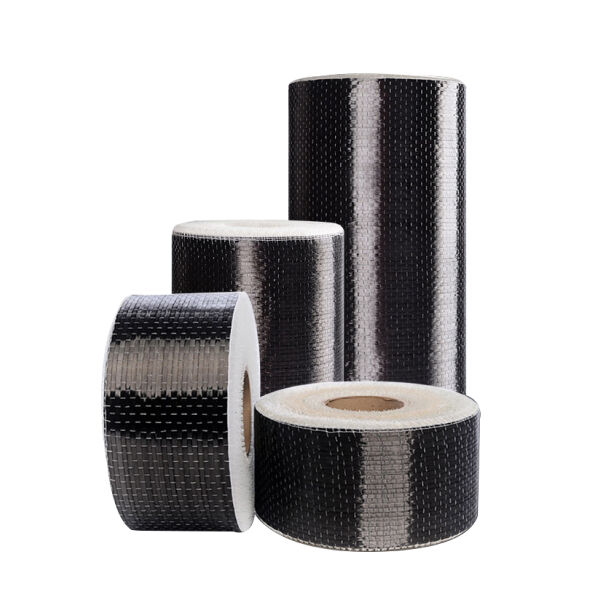
Carbon fiber cloth has revolutionized numerous industries with its exceptional strength-to-weight ratio and versatility. This advanced composite material combines lightweight properties with remarkable durability, making it indispensable in aerospace, automotive, marine, and construction applications. Despite its widespread use, many professionals and enthusiasts remain unaware of the intricate details that make carbon fiber cloth such a remarkable material. Understanding these lesser-known aspects can significantly impact material selection, application techniques, and overall project success.
Manufacturing Complexity and Quality Variations
Precursor Material Selection Impact
The quality of carbon fiber cloth begins with the precursor materials used during manufacturing. Most high-grade carbon fiber cloth originates from polyacrylonitrile (PAN) precursors, which undergo complex chemical transformations during production. The stabilization and carbonization processes occur at temperatures exceeding 2000°C, creating the distinctive molecular structure that gives carbon fiber cloth its exceptional properties. Manufacturing facilities must maintain precise temperature control and atmospheric conditions to ensure consistent fiber quality throughout the production cycle.
Quality variations in carbon fiber cloth can occur due to subtle differences in manufacturing parameters, raw material batches, and environmental conditions. These variations affect tensile strength, modulus values, and surface characteristics of the final product. Professional applications require careful supplier selection and quality verification procedures to ensure consistent performance across different production lots of carbon fiber cloth.
Weaving Patterns and Structural Implications
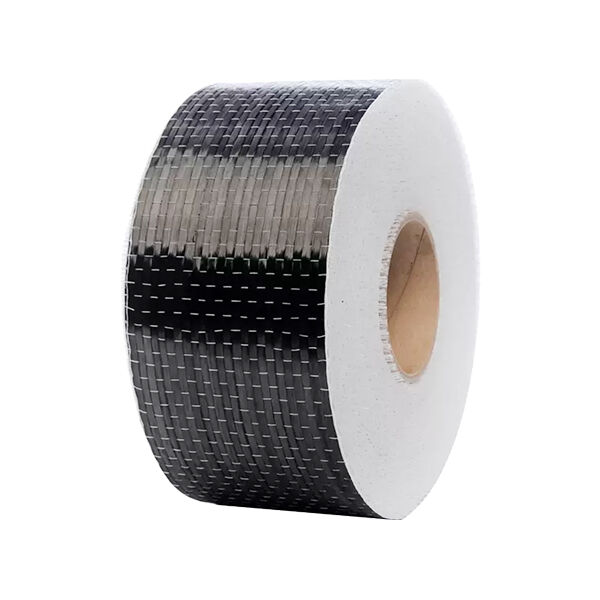
Carbon fiber cloth exhibits different mechanical properties depending on its weaving pattern, with plain weave, twill weave, and satin weave configurations offering distinct advantages. Plain weave carbon fiber cloth provides excellent stability and crimp uniformity but may exhibit slightly reduced strength compared to other patterns. Twill weave patterns allow better draping characteristics around complex geometries while maintaining structural integrity.
Satin weave carbon fiber cloth offers superior surface smoothness and enhanced strength properties due to reduced fiber crimp, making it ideal for high-performance applications. The weaving tension, fiber count, and yarn twist all influence the final characteristics of carbon fiber cloth, affecting everything from resin absorption rates to mechanical performance in finished composites.
Surface Chemistry and Bonding Characteristics
Surface Treatment Technologies
Carbon fiber cloth requires specific surface treatments to optimize bonding with matrix materials. Electrochemical oxidation treatments create functional groups on fiber surfaces, enhancing adhesion between carbon fiber cloth and epoxy resins. These treatments modify surface energy and roughness characteristics, directly impacting composite mechanical properties and long-term durability.
Plasma treatments represent advanced surface modification techniques that can tailor carbon fiber cloth properties for specific applications. These treatments introduce oxygen-containing functional groups without compromising fiber strength, resulting in improved interfacial bonding and enhanced composite performance. The treatment level must be carefully controlled to avoid over-oxidation that could weaken individual fibers within the carbon fiber cloth structure.
Resin Compatibility and Processing Windows
Different carbon fiber cloth types exhibit varying compatibility with specific resin systems, affecting processing parameters and final composite properties. Epoxy-compatible carbon fiber cloth requires specific fiber sizing formulations that promote chemical bonding during cure cycles. Vinylester and polyester resins may require different surface treatments to achieve optimal adhesion with carbon fiber cloth substrates.
Processing windows for carbon fiber cloth fabrication depend on resin viscosity, temperature sensitivity, and cure kinetics. Understanding these relationships enables manufacturers to optimize layup procedures, reduce void content, and achieve superior mechanical properties in finished composites. Temperature and humidity conditions during processing significantly impact the success of carbon fiber cloth lamination procedures.
Mechanical Anisotropy and Design Considerations
Directional Strength Properties
Carbon fiber cloth exhibits highly anisotropic mechanical behavior, with strength and stiffness properties varying dramatically based on fiber orientation relative to applied loads. Warp and weft directions in woven carbon fiber cloth typically possess different mechanical characteristics due to weaving geometry and tension variations during manufacturing. Understanding these directional properties is crucial for optimizing structural designs and predicting failure modes.
Off-axis loading conditions create complex stress states in carbon fiber cloth composites, potentially leading to matrix cracking, delamination, or fiber breakage depending on the loading angle and magnitude. Design engineers must account for these anisotropic behaviors when calculating safety factors and predicting long-term performance of carbon fiber cloth structures under service conditions.
Thermal Expansion Coefficients
Carbon fiber cloth composites exhibit negative coefficients of thermal expansion in fiber directions, while perpendicular directions may show positive expansion coefficients. This thermal behavior can create internal stresses during temperature cycling, particularly in applications where carbon fiber cloth is combined with materials having different expansion characteristics. Understanding thermal expansion properties helps prevent delamination and dimensional instability issues.
Cryogenic applications present unique challenges for carbon fiber cloth composites due to extreme thermal gradients and material property changes at low temperatures. The thermal conductivity of carbon fiber cloth varies significantly with temperature, affecting heat transfer rates and thermal stress distributions in composite structures. These factors must be considered during design phases for aerospace and industrial applications.
Environmental Degradation Mechanisms
UV Radiation Effects
Extended exposure to ultraviolet radiation can degrade carbon fiber cloth through matrix material breakdown and fiber-matrix interface deterioration. While carbon fibers themselves resist UV damage, the polymer matrix and sizing materials used in carbon fiber cloth construction may undergo photochemical degradation when exposed to intense sunlight. This degradation manifests as surface discoloration, reduced mechanical properties, and increased moisture absorption.
Protective coatings and UV-resistant matrix formulations help mitigate environmental degradation of carbon fiber cloth in outdoor applications. Gelcoats, paint systems, and specialized topcoats provide barrier protection against UV radiation while maintaining the aesthetic appearance of carbon fiber cloth surfaces. Regular inspection and maintenance protocols ensure long-term performance in challenging environmental conditions.
Moisture Absorption and Hygrothermal Effects
Carbon fiber cloth composites absorb moisture through diffusion processes that depend on humidity levels, temperature, and matrix material properties. Moisture absorption can reduce glass transition temperatures, decrease mechanical properties, and create internal stresses due to swelling effects. The rate and extent of moisture uptake vary significantly between different carbon fiber cloth grades and resin systems.
Hygrothermal cycling combines temperature and humidity variations that can accelerate degradation mechanisms in carbon fiber cloth composites. These conditions may lead to microcracking, delamination initiation, and reduced fatigue resistance over time. Understanding hygrothermal behavior enables engineers to predict service life and establish appropriate maintenance intervals for carbon fiber cloth structures.
Advanced Processing Techniques
Prepreg Technology Applications
Prepreg carbon fiber cloth incorporates pre-impregnated resin systems that offer superior quality control and processing consistency compared to wet layup methods. These materials require specific storage conditions and have limited out-time at room temperature, necessitating careful inventory management and processing schedules. Prepreg carbon fiber cloth enables automated manufacturing processes and reduces volatile emissions during fabrication.
Autoclave curing of prepreg carbon fiber cloth produces composites with exceptional mechanical properties and low void content through controlled pressure and temperature profiles. The consolidation pressure eliminates air entrapment and ensures optimal fiber volume fractions, resulting in superior strength and stiffness characteristics. Non-autoclave processing methods for carbon fiber cloth are being developed to reduce manufacturing costs while maintaining quality standards.
Resin Transfer Molding Integration
Resin transfer molding (RTM) processes utilize dry carbon fiber cloth preforms that are infused with resin under pressure or vacuum conditions. This manufacturing approach enables complex geometry fabrication while maintaining excellent surface finish on both sides of carbon fiber cloth components. RTM processing requires careful preform design and resin flow modeling to prevent dry spots and ensure complete saturation.
Vacuum-assisted resin transfer molding (VARTM) represents a cost-effective alternative for large carbon fiber cloth structures where autoclave processing is impractical. This technique relies on vacuum pressure to drive resin flow through carbon fiber cloth preforms, enabling fabrication of boat hulls, wind turbine blades, and architectural panels. Flow media and distribution systems optimize resin flow patterns and reduce processing time.
Quality Control and Testing Methodologies
Non-Destructive Evaluation Techniques
Ultrasonic testing methods detect internal defects in carbon fiber cloth composites without damaging the structure, enabling quality assessment of critical components. C-scan imaging reveals delaminations, voids, and foreign object damage within carbon fiber cloth laminates, providing detailed maps of structural integrity. These techniques require specialized equipment and trained operators to interpret results accurately.
Thermographic inspection utilizes infrared cameras to identify subsurface defects in carbon fiber cloth through thermal conductivity variations. This technique proves particularly effective for detecting impact damage, water ingress, and manufacturing defects that may not be visible through visual inspection. Digital image correlation methods track strain distributions across carbon fiber cloth surfaces during mechanical testing.
Mechanical Testing Standards
Industry standards define specific test methods for evaluating carbon fiber cloth composite properties, including tensile strength, compression strength, and interlaminar shear strength measurements. These standardized procedures ensure consistent results between different laboratories and enable reliable material property databases for design purposes. Test specimen preparation requires precision cutting and edge finishing to prevent premature failure initiation.
Fatigue testing of carbon fiber cloth composites involves millions of loading cycles to assess long-term durability under service conditions. These tests reveal damage accumulation mechanisms and establish safe operating stress levels for structural applications. Environmental conditioning during testing simulates real-world exposure conditions that affect carbon fiber cloth performance over extended periods.
FAQ
What determines the grade classification of carbon fiber cloth
Carbon fiber cloth grades are determined primarily by tensile strength, modulus values, and fiber tow specifications. Standard grade carbon fiber cloth typically exhibits tensile strengths around 3500 MPa, while intermediate and high modulus grades achieve higher stiffness values at the expense of ultimate strength. The classification system also considers fiber diameter, surface treatment levels, and quality consistency parameters that affect composite performance.
How does carbon fiber cloth compare to other reinforcement materials
Carbon fiber cloth offers superior strength-to-weight ratios compared to glass fiber, aramid, and natural fiber reinforcements, making it ideal for weight-critical applications. While carbon fiber cloth costs more than alternative materials, its exceptional stiffness and fatigue resistance justify the investment in high-performance applications. The electrical conductivity of carbon fiber cloth also provides electromagnetic shielding capabilities not available with glass fiber reinforcements.
What storage conditions are required for carbon fiber cloth
Carbon fiber cloth should be stored in cool, dry conditions away from direct sunlight to prevent degradation of sizing materials and maintain handling characteristics. Temperature fluctuations and high humidity can affect the fiber-matrix interface properties in prepreg materials, reducing shelf life and processing windows. Proper packaging and inventory rotation ensure optimal material properties when carbon fiber cloth reaches the manufacturing stage.
Can carbon fiber cloth be recycled or reused
Carbon fiber cloth recycling involves thermal or chemical processes that separate fibers from matrix materials, though recycled fibers typically exhibit reduced mechanical properties compared to virgin materials. Pyrolysis and solvolysis methods recover carbon fibers that can be reprocessed into new carbon fiber cloth products, though the economics currently limit widespread adoption. Research continues into mechanical recycling methods that preserve fiber length and maintain structural properties for secondary applications.