 EN
EN
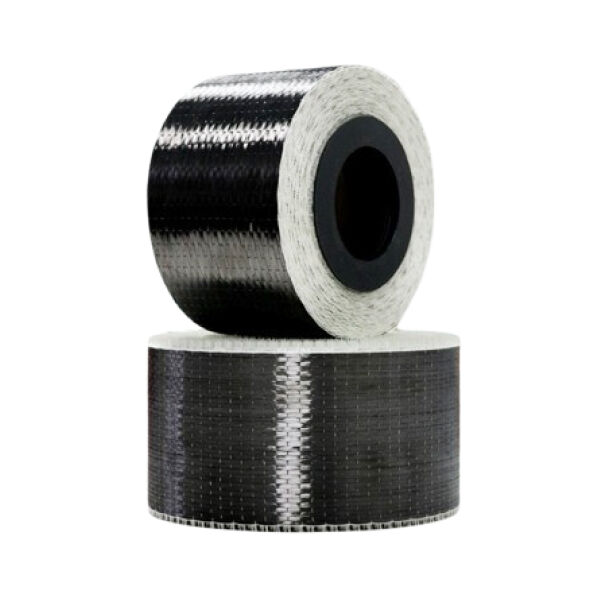
DIY enthusiasts and professional fabricators increasingly recognize the exceptional value that 300g carbon fiber cloth brings to their projects. This versatile material offers the perfect balance between strength, workability, and affordability, making it an ideal choice for applications ranging from automotive modifications to aerospace prototyping. The 300-gram weight specification represents a sweet spot in carbon fiber technology, providing sufficient structural integrity while maintaining the flexibility needed for complex forming operations.
The growing popularity of carbon fiber in DIY applications stems from its remarkable strength-to-weight ratio and aesthetic appeal. Unlike traditional materials such as fiberglass or aluminum, 300g carbon fiber cloth provides superior performance characteristics while remaining accessible to hobbyists and small-scale manufacturers. This material has revolutionized how makers approach structural reinforcement, decorative applications, and performance upgrades across numerous industries.
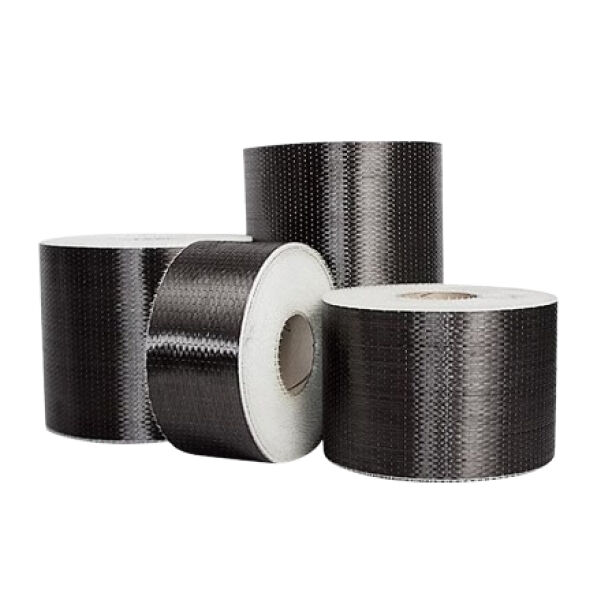
Understanding Carbon Fiber Weight Classifications
Weight Per Square Meter Specifications
The 300g designation in 300g carbon fiber cloth refers to the fabric weight per square meter, which directly correlates to the material's thickness and structural properties. This weight classification system helps manufacturers and users select appropriate materials for specific applications. Lighter fabrics, such as 200g variants, offer greater flexibility but reduced strength, while heavier options like 400g or 600g provide increased rigidity and load-bearing capacity.
Understanding weight classifications enables DIY enthusiasts to make informed decisions about material selection. The 300-gram specification represents an optimal compromise between ease of handling and structural performance, making it suitable for both beginners and experienced fabricators. This weight category allows for effective resin saturation while maintaining reasonable working times during lamination processes.
Fabric Construction and Weave Patterns
The construction methodology behind 300g carbon fiber cloth significantly influences its performance characteristics and application suitability. Most 300-gram fabrics utilize plain weave or twill weave patterns, each offering distinct advantages for different project requirements. Plain weave patterns provide excellent dimensional stability and uniform strength distribution, while twill weaves offer improved drapability and surface smoothness.
Twill weave 300g carbon fiber cloth particularly excels in applications requiring complex curvatures or detailed forming operations. The diagonal weave pattern allows the fabric to conform more easily to three-dimensional shapes while maintaining structural integrity. This characteristic makes it especially valuable for automotive bodywork, sporting goods manufacturing, and architectural applications where both form and function are critical considerations.
Mechanical Properties and Performance Benefits
Tensile Strength and Durability
The exceptional tensile strength of 300g carbon fiber cloth makes it superior to many traditional materials in load-bearing applications. Carbon fiber exhibits tensile strengths exceeding 3,000 MPa, significantly outperforming steel, aluminum, and fiberglass alternatives. This strength characteristic enables the creation of lightweight structures that can withstand substantial mechanical stresses without failure or permanent deformation.
Durability testing demonstrates that properly fabricated 300g carbon fiber cloth composites maintain their structural properties under cyclic loading conditions. The material's resistance to fatigue, corrosion, and environmental degradation ensures long-term performance in demanding applications. These properties make it particularly valuable for projects requiring extended service life or exposure to harsh operating conditions.
Weight Reduction Advantages
One of the most compelling reasons to choose 300g carbon fiber cloth for DIY projects is its exceptional weight reduction potential. Carbon fiber composites typically weigh 40-50% less than equivalent aluminum structures while providing superior or comparable strength characteristics. This weight advantage translates directly into improved performance for automotive applications, reduced material handling requirements, and enhanced portability for portable equipment.
The weight savings achieved with 300g carbon fiber cloth become particularly significant in applications where every gram matters. Racing applications, drone construction, and aerospace components benefit tremendously from this material's ability to deliver maximum strength with minimum mass. These characteristics enable designers to allocate weight budgets more effectively while maintaining or improving overall system performance.
Application Versatility in DIY Projects
Automotive and Transportation Applications
DIY automotive enthusiasts have embraced 300g carbon fiber cloth for numerous modification and restoration projects. Common applications include hood fabrication, interior trim pieces, aerodynamic components, and structural reinforcement elements. The material's ability to replicate complex curves and provide excellent surface finish quality makes it ideal for visible components where aesthetics and performance both matter.
Motorcycle builders and bicycle frame manufacturers particularly appreciate the workability of 300g carbon fiber cloth in custom fabrication projects. The material allows for precise control over fiber orientation and thickness buildup, enabling optimization of mechanical properties for specific loading conditions. This control capability permits the creation of highly efficient structures that maximize performance while minimizing material usage and overall weight.
Sporting Goods and Recreation Equipment
The sporting goods industry has widely adopted 300g carbon fiber cloth for manufacturing high-performance equipment across numerous disciplines. Tennis rackets, fishing rods, archery equipment, and paddle sports gear all benefit from carbon fiber's unique combination of strength, stiffness, and vibration damping properties. DIY manufacturers can create custom equipment tailored to specific performance requirements and user preferences.
Recreational drone enthusiasts and RC aircraft builders have found 300g carbon fiber cloth particularly valuable for creating lightweight, durable airframes. The material's excellent strength-to-weight ratio enables the construction of aircraft that achieve superior flight performance while maintaining structural integrity under aerodynamic and impact loading conditions. Custom frame designs become possible when builders have direct access to high-quality carbon fiber materials.
Processing Techniques and Fabrication Methods
Wet Layup and Hand Lamination
Wet layup represents the most accessible fabrication method for DIY projects utilizing 300g carbon fiber cloth. This technique involves manually applying resin to the fabric during the layup process, allowing for precise control over resin content and fiber orientation. The method requires minimal specialized equipment while producing high-quality results when proper techniques are employed.
Success with wet layup techniques depends heavily on proper preparation, material handling, and timing. The 300-gram weight classification provides an ideal balance between resin absorption capacity and working time, allowing fabricators sufficient opportunity to achieve complete saturation while maintaining control over the process. Proper roller technique and staged application methods ensure elimination of air bubbles and achievement of optimal fiber-to-resin ratios.
Vacuum Bagging and Advanced Techniques
Advanced DIY fabricators often employ vacuum bagging techniques with 300g carbon fiber cloth to achieve superior mechanical properties and surface finish quality. Vacuum bagging removes excess resin while consolidating the laminate under controlled pressure, resulting in higher fiber volume fractions and improved mechanical performance. This technique particularly benefits structural applications where maximum strength and stiffness are required.
The compatibility of 300g carbon fiber cloth with vacuum bagging processes makes it suitable for more sophisticated fabrication approaches. Resin transfer molding, vacuum-assisted resin transfer molding, and prepreg processing techniques all work effectively with this material weight. These advanced methods enable the production of parts with aerospace-quality mechanical properties and surface finishes using relatively accessible equipment and materials.
Cost-Effectiveness and Material Efficiency
Economic Advantages for Small-Scale Production
The economic advantages of 300g carbon fiber cloth become particularly apparent in small-scale and prototype production scenarios. While the initial material cost exceeds that of traditional alternatives, the superior performance characteristics often justify the investment through reduced material usage, simplified manufacturing processes, and improved end-product performance. The ability to achieve desired properties with fewer layers reduces both material and labor costs.
Cost analysis for DIY projects must consider the total system economics rather than just material acquisition costs. The exceptional durability and performance longevity of 300g carbon fiber cloth components often result in lower lifetime costs compared to alternatives requiring frequent replacement or maintenance. This economic advantage becomes more pronounced in applications subject to demanding operating conditions or extended service requirements.
Material Utilization and Waste Reduction
Efficient utilization of 300g carbon fiber cloth requires careful planning and optimized cutting patterns to minimize waste generation. The material's high cost makes waste reduction a critical consideration for economical project completion. Advanced nesting algorithms and computer-aided design tools help optimize fabric utilization rates while maintaining proper fiber orientation for structural applications.
Scrap material management strategies become important considerations when working with 300g carbon fiber cloth. Small offcuts can often be utilized for reinforcement patches, test coupons, or secondary components, maximizing the value extracted from each fabric purchase. Proper storage and handling procedures ensure that unused material maintains its properties for future applications, further improving overall project economics.
Quality Considerations and Selection Criteria
Material Specifications and Standards
Selecting high-quality 300g carbon fiber cloth requires understanding the various specifications and standards that govern material performance and consistency. Key parameters include fiber type, weave pattern, sizing treatment, and manufacturing tolerances. Aerospace-grade materials typically offer superior consistency and performance characteristics compared to industrial or commercial grades, though the cost differential may not be justified for all DIY applications.
Material certification and traceability become important factors when 300g carbon fiber cloth will be used in critical or safety-related applications. Documented material properties, manufacturing processes, and quality control procedures provide assurance of consistent performance and enable proper design calculations. These documentation requirements vary significantly based on the intended application and regulatory environment.
Surface Treatments and Compatibility
The surface treatment applied to 300g carbon fiber cloth significantly affects its compatibility with different resin systems and processing techniques. Properly sized fabrics provide optimal resin adhesion and mechanical property development, while unsized materials may require special handling or surface preparation procedures. Understanding these compatibility requirements ensures successful bonding and optimal composite performance.
Resin system selection must consider the specific characteristics of the chosen 300g carbon fiber cloth to achieve optimal results. Epoxy, vinyl ester, and polyester resins each offer different advantages and limitations when combined with carbon fiber reinforcement. Proper matching of resin and fabric characteristics ensures achievement of design properties while maintaining reasonable processing requirements and cure schedules.
FAQ
What makes 300g carbon fiber cloth superior to lighter weight options for DIY projects
The 300g weight specification provides an optimal balance between structural performance and ease of handling that makes it ideal for DIY applications. Compared to lighter fabrics like 200g options, 300g carbon fiber cloth offers improved strength and stiffness while still remaining manageable for hand layup techniques. This weight category provides sufficient thickness for effective structural applications while avoiding the handling difficulties associated with heavier fabrics that may require specialized equipment or techniques.
How many layers of 300g carbon fiber cloth are typically needed for structural applications
The number of layers required depends entirely on the specific application requirements and loading conditions. Most structural applications utilize between 2-6 layers of 300g carbon fiber cloth to achieve desired strength and stiffness properties. Automotive panels might use 2-3 layers, while highly loaded structural components could require 4-6 or more layers. Proper engineering analysis should always be conducted to determine the appropriate thickness for critical applications where safety or performance is paramount.
Can 300g carbon fiber cloth be successfully processed using standard epoxy resins
Yes, 300g carbon fiber cloth works excellently with most standard epoxy resin systems commonly used in DIY applications. The fabric weight and weave structure provide good resin flow characteristics and saturation properties with typical hand-layup epoxies. Standard room-temperature cure epoxies, elevated temperature cure systems, and infusion resins all demonstrate good compatibility. The key is ensuring proper resin-to-fiber ratios and complete saturation to achieve optimal mechanical properties and avoid dry spots or resin-rich areas.
What safety precautions should be observed when working with 300g carbon fiber cloth
Working with 300g carbon fiber cloth requires standard composite safety precautions including proper respiratory protection, eye protection, and skin protection. Carbon fiber dust can be irritating to respiratory systems, so dust masks or respirators should be used during cutting operations. The material can cause skin irritation in sensitive individuals, making gloves and long sleeves advisable. Proper ventilation is essential when using resin systems, and all manufacturer safety data sheets should be consulted before beginning any fabrication work.
Table of Contents
- Understanding Carbon Fiber Weight Classifications
- Mechanical Properties and Performance Benefits
- Application Versatility in DIY Projects
- Processing Techniques and Fabrication Methods
- Cost-Effectiveness and Material Efficiency
- Quality Considerations and Selection Criteria
-
FAQ
- What makes 300g carbon fiber cloth superior to lighter weight options for DIY projects
- How many layers of 300g carbon fiber cloth are typically needed for structural applications
- Can 300g carbon fiber cloth be successfully processed using standard epoxy resins
- What safety precautions should be observed when working with 300g carbon fiber cloth